Contributed content: this article was written by a third-party contributor and does not necessarily reflect the views of Financial News. Editorial and Advertising Policy
Transport infrastructure is one of the factors that can influence how people choose where to live. In a compact city such as Singapore, access to public transport, major roads, employment centres and everyday amenities can have a significant bearing on residential demand. For homebuyers and property investors, understanding these connections can provide useful context when evaluating different neighbourhoods and developments.
However, transport access is only one part of the picture. Property decisions also depend on factors such as price, apartment design, surrounding amenities, supply, rental demand and individual household requirements.
Connectivity and Everyday Convenience
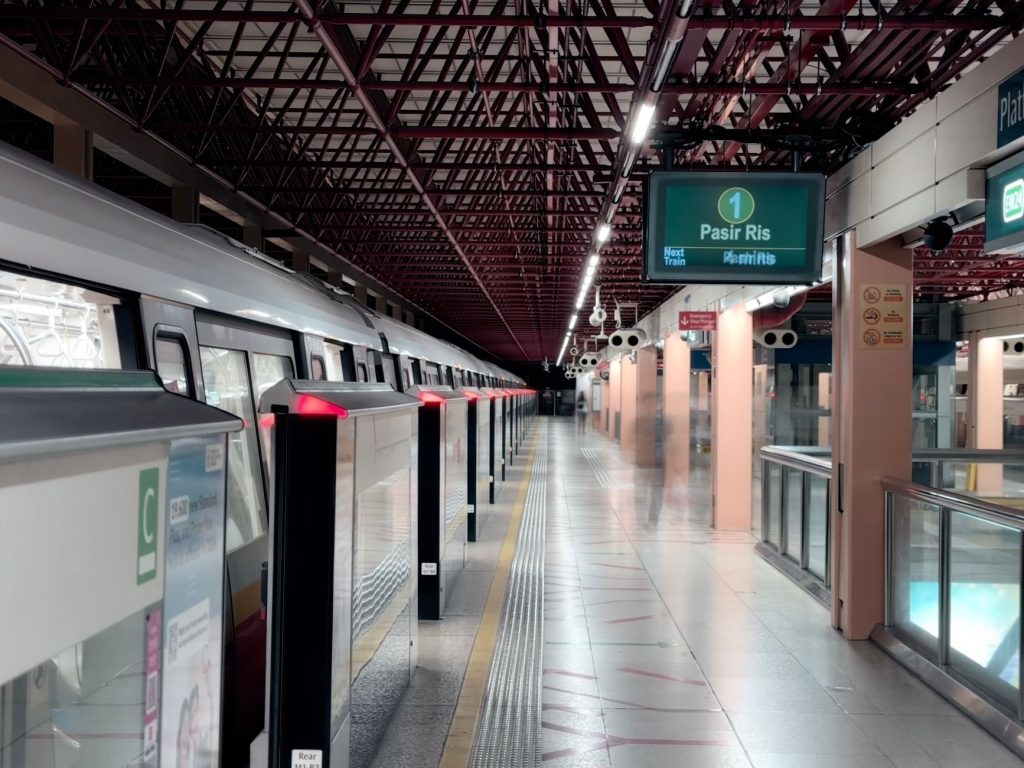
For many residents, the distance between home and public transport is an important consideration. Convenient access to MRT stations, bus routes and major roads can make daily commuting easier, particularly for people travelling regularly to central business districts or major employment areas.
A well-connected neighbourhood may also appeal to households that do not own a car. Reliable public transport can provide access to workplaces, schools, shopping areas, healthcare facilities and recreational destinations without requiring private transportation.
This makes transport connectivity more than simply a commuting issue. It can form part of the broader lifestyle appeal of a residential area.
Employment Centres and Residential Demand
Residential demand is often closely connected to employment patterns. Workers generally prefer housing that allows them to reach their workplaces within a reasonable amount of time.
When transport infrastructure improves connections between residential neighbourhoods and major employment centres, the pool of locations that may be considered convenient can expand. This can influence where people choose to rent or buy homes.
For example, a resident working in Singapore’s central business district may evaluate a property partly according to the time and number of transfers required for the daily journey. Another household may place greater importance on convenient connections to schools, shopping districts or workplaces in the eastern part of the island.
Consequently, transport infrastructure can influence demand differently depending on the needs of the people living in a particular area.
New Infrastructure and Changing Neighbourhoods
Transport infrastructure can also affect how neighbourhoods develop over time. New stations, upgraded interchanges, improved bus services and road connections can change the accessibility of an area.
Improved connectivity may encourage businesses and other services to establish themselves nearby, potentially creating a more active local environment. However, the effect is not necessarily immediate, and infrastructure improvements do not automatically translate into higher property values.
Other factors must be considered, including the amount of new housing being developed, local employment opportunities, government planning, affordability and the characteristics of competing neighbourhoods.
For this reason, buyers should distinguish between confirmed infrastructure projects and speculative expectations about future development.
Looking Beyond Distance to a Station
Being close to an MRT station can be useful, but distance alone does not determine whether a property is well connected. The quality and frequency of services, available routes, interchange connections and the time required to reach key destinations can all matter.
A property slightly farther from a station may still be convenient if it has strong bus connections or easy access to another transport hub. Conversely, a development that appears close to a station may have a less convenient journey depending on pedestrian routes, crossings and the actual entrance used.
The surrounding road network is another consideration. Access to major roads can be important for residents who drive, use taxis or rely on private-hire vehicles. At the same time, proximity to busy roads may introduce noise and other considerations, demonstrating why connectivity should be assessed alongside the wider living environment.
Using Individual Developments as Case Studies
When researching a particular residential development, buyers can use transport connectivity as one of several criteria rather than treating it as a standalone measure.
For instance, Bedok Rise Residences can be used as an example when examining how prospective buyers assess a residential development’s relationship with nearby transport options and surrounding amenities. Rather than assuming that connectivity makes a property preferable, buyers can investigate the actual routes, travel times and services available to them.
A visit to the Bedok Rise Residences showflat may also provide an opportunity to understand the proposed development’s layout and location in relation to the surrounding area. However, a showflat cannot by itself establish actual commuting times or future transport performance. Those details should be independently checked using current transport information and relevant official sources.
The same approach can be applied to other developments across Singapore. Comparing several properties using the same criteria can provide a more balanced picture than focusing on a single development.
Transport Is One Factor Among Many
Good connectivity can contribute to residential convenience, but it does not guarantee strong rental demand or investment performance. A well-connected property may still face competition from nearby developments, changing tenant preferences or affordability constraints.
Similarly, an area without immediate access to a major transport hub may appeal to residents because of other characteristics, such as quieter surroundings, larger homes, established amenities or proximity to particular schools and workplaces.
For investors, transport infrastructure should therefore be considered alongside rental supply, tenant demand, property prices, vacancy conditions and broader economic factors. For owner-occupiers, the most relevant question may simply be whether the available transport options fit their household’s daily routine.
Conclusion
Transport infrastructure can shape residential demand by influencing commuting convenience, accessibility to employment and services, and the way neighbourhoods develop. Yet its importance varies according to the needs of individual residents and the characteristics of each location.
For anyone evaluating Singapore property, the most useful approach is to look beyond a property’s proximity to a station. Examining actual travel routes, transport frequency, surrounding amenities, future infrastructure and competing housing supply can provide a more realistic understanding of residential convenience.
Developments such as Bedok Rise Residences can serve as practical examples for applying this evaluation framework, while independent research remains important before making any property decision.