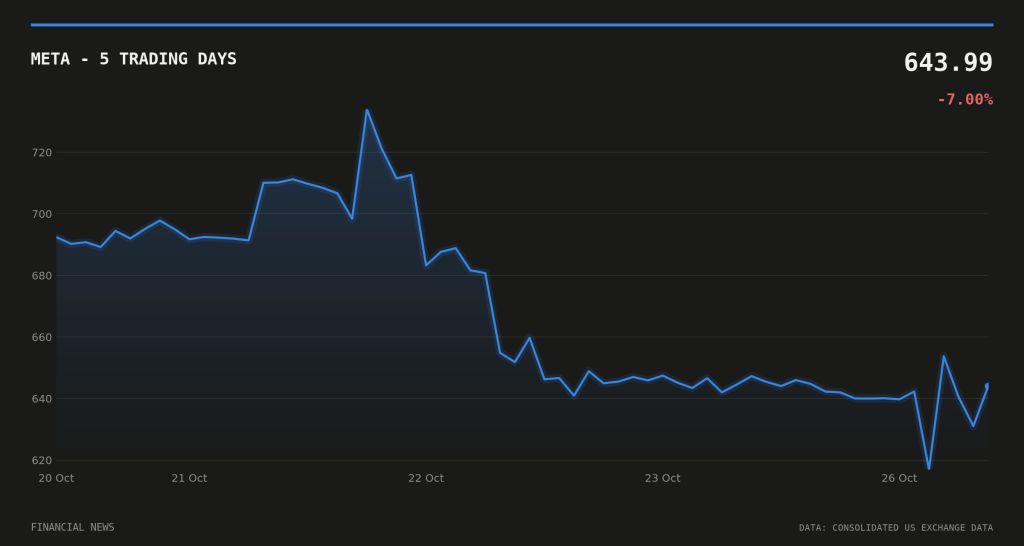
Meta Platforms (NASDAQ: META) launched a $35bn stock offering on 26 October 2026 to help fund its artificial intelligence build-out. That is roughly a third of the $95bn figure that dominated Wednesday’s headlines.
The gap matters. Meta’s own SEC filing shows the $35bn is split between depositary shares tied to mandatory convertible preferred stock and $22.5bn of Class A common stock sold via forward agreements. The remaining $60bn is a separate at-the-market programme that has not launched, and cannot launch until a new Class C share class begins trading – something Reuters reports is not expected before the first quarter of 2027.
What the Meta AI stock offering actually covers
CNBC’s headline described Meta as ‘planning to raise a total of $95 billion’, framing the whole sum as a single present-tense event. The Wall Street Journal drew a sharper line: $35bn now, with Meta ‘eyeing’ $95bn as a total plan. That distinction is the whole story. One tranche is priced and selling this week; the other is a contingent programme awaiting a share class that doesn’t yet exist.
Demand for the live tranche looks solid. Nvidia, AMD and Broadcom have expressed interest in buying up to $5bn of the Class A common stock on offer, according to Reuters reporting. Meta also filed an automatic shelf registration statement the same day, an EDGAR filing shows, giving it standing authority to issue securities without seeking fresh SEC clearance for each future sale.
Why Meta needs the cash
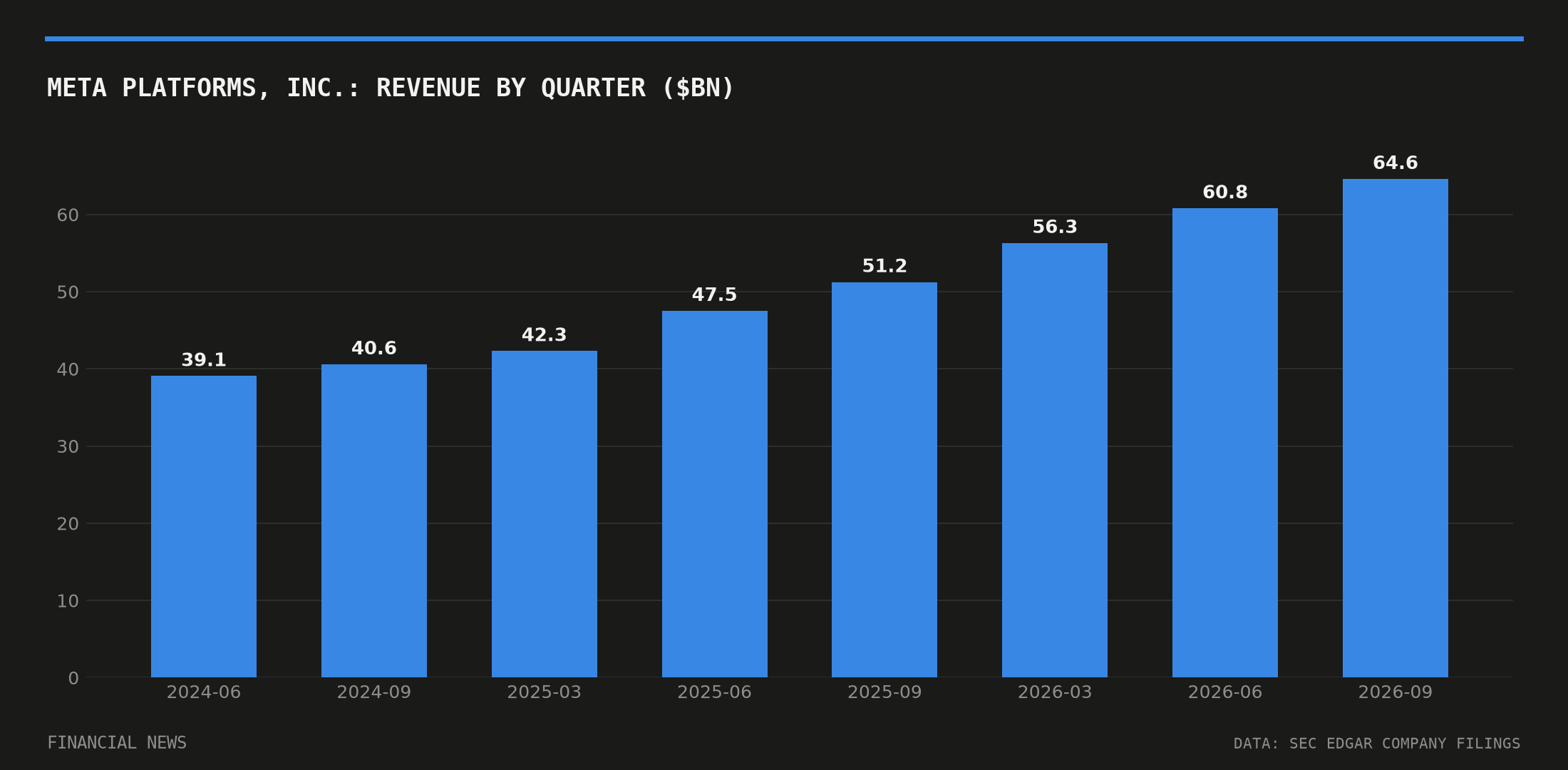
The raise follows a results week that showed the AI build-out biting into profitability. Meta’s 10-Q for the third quarter of 2026 reported net income of $9.86bn, down sharply from $15.85bn the prior quarter, even as revenue rose to $64.6bn. Reuters, via The Standard, put the quarter’s cash burn at $2.12bn and described it as Meta’s first negative free cash flow in more than a decade.
Meta also lifted the floor of its 2026 capital expenditure guidance to $135bn-$145bn, up from a prior $130bn-$145bn range, Reuters reported via Business Day. Cash, equivalents and marketable securities stood at $82.45bn at quarter-end, only just ahead of long-term debt of $80.92bn, according to Reuters reporting carried by the Globe and Mail. That balance-sheet arithmetic, more than any single headline number, explains why Meta is tapping equity markets alongside debt.
It is not the company’s first resort to outside financing for AI this year. Meta sold a record $30bn bond in October 2025, explicitly earmarked for AI infrastructure, Law360 reported at the time. The equity raise extends that pattern across both debt and stock markets within the space of a year.
Market reaction has been muted so far
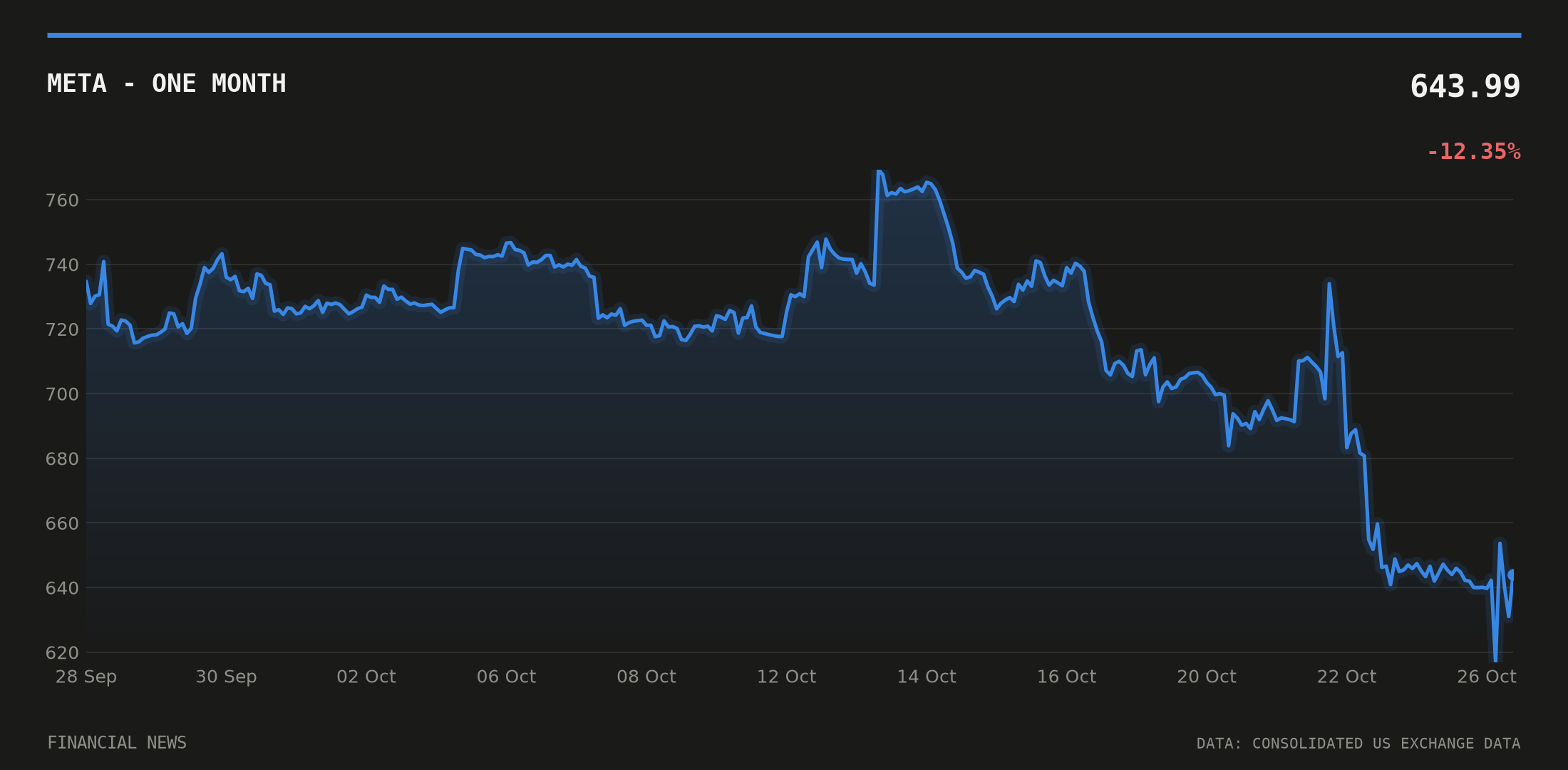
META shares traded at $641.35 as of 14:00 UTC on 26 October, up 0.2% on the day but down 13.88% over the prior 20 trading sessions, according to consolidated exchange data. FINRA’s daily short-sale figures show the short-sale ratio climbing from 0.27 on 15 October to 0.426 on 21 October, around the window of the earnings release and the offering launch, before easing to 0.352 by 23 October.
Investment bank Goldman Sachs estimates AI-related capital spending across the major hyperscalers could reach roughly $7.6 trillion between 2026 and 2031, CNBC reported. Meta’s $35bn offering, and the $60bn programme still waiting on a share class that has yet to trade, is one instalment in financing that is expected to stretch well into the next decade.
This article is for information only and is not investment advice or a recommendation to buy or sell any asset. Markets move quickly; figures are correct as sourced at the time of writing. Always do your own research before making financial decisions.