Elon Musk said on 25 October 2026 that Space Exploration Technologies (NASDAQ: SPCX) had closed a $40bn financing package to buy Nvidia (NASDAQ: NVDA) graphics chips. Musk called it debt. The paperwork tells a more complicated story.
The $40bn figure is real, confirmed by Musk and reported by CNBC and Reuters. But the structure Musk described as a straightforward debt raise is an off-balance-sheet GPU equipment lease managed by Apollo, not a conventional corporate loan, disclosed in a regulatory filing with the SEC.
What the SpaceX debt financing deal actually is
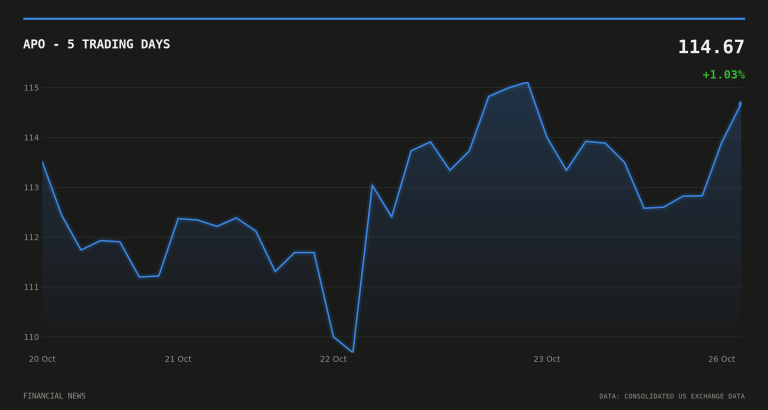
Bloomberg reported that bankers and investors, including Apollo and Atlas SP, were still finalising pricing on the arrangement even as Musk declared it closed. SpaceX leases the chips rather than owning them outright, keeping the exposure off its balance sheet. The Nvidia GPUs themselves are not expected to arrive until the first or second half of 2027, according to CNBC – meaning there is no new AI infrastructure yet, only a commitment to build it.
Musk’s own framing, quoted by Fox Business, was that SpaceX ‘closed $40B of debt for GPUs, but we’re investment grade and have Starlink & launch revenue.’ The investment-grade point checks out: Moody’s assigned SpaceX a Baa1 issuer rating in June, according to reporting from The Spokesman-Review. That rating, plus diversified cashflow from Starlink and launch services, underpins the company’s ability to raise at scale even as the structure of this particular deal remains unsettled on the pricing side.
Shares fall rather than rally
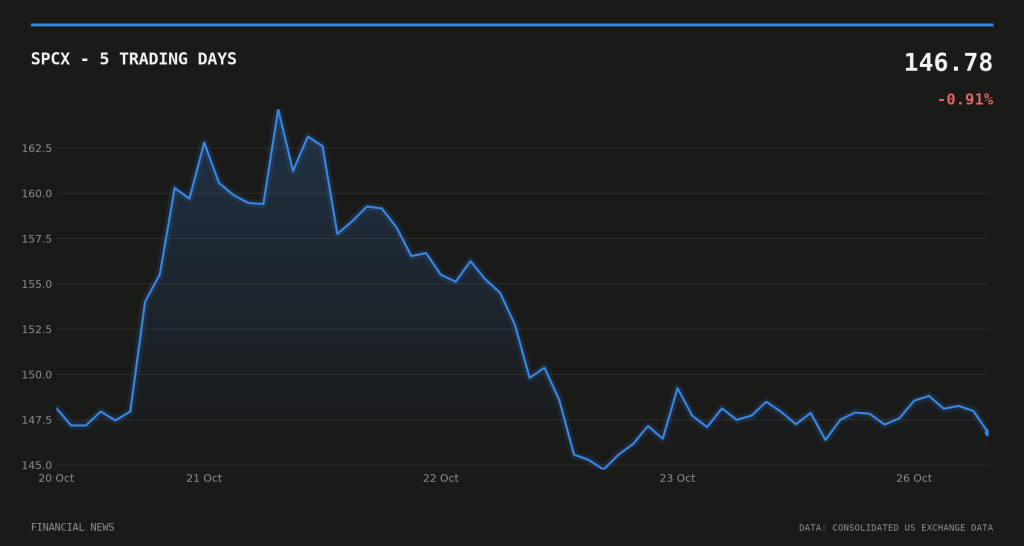
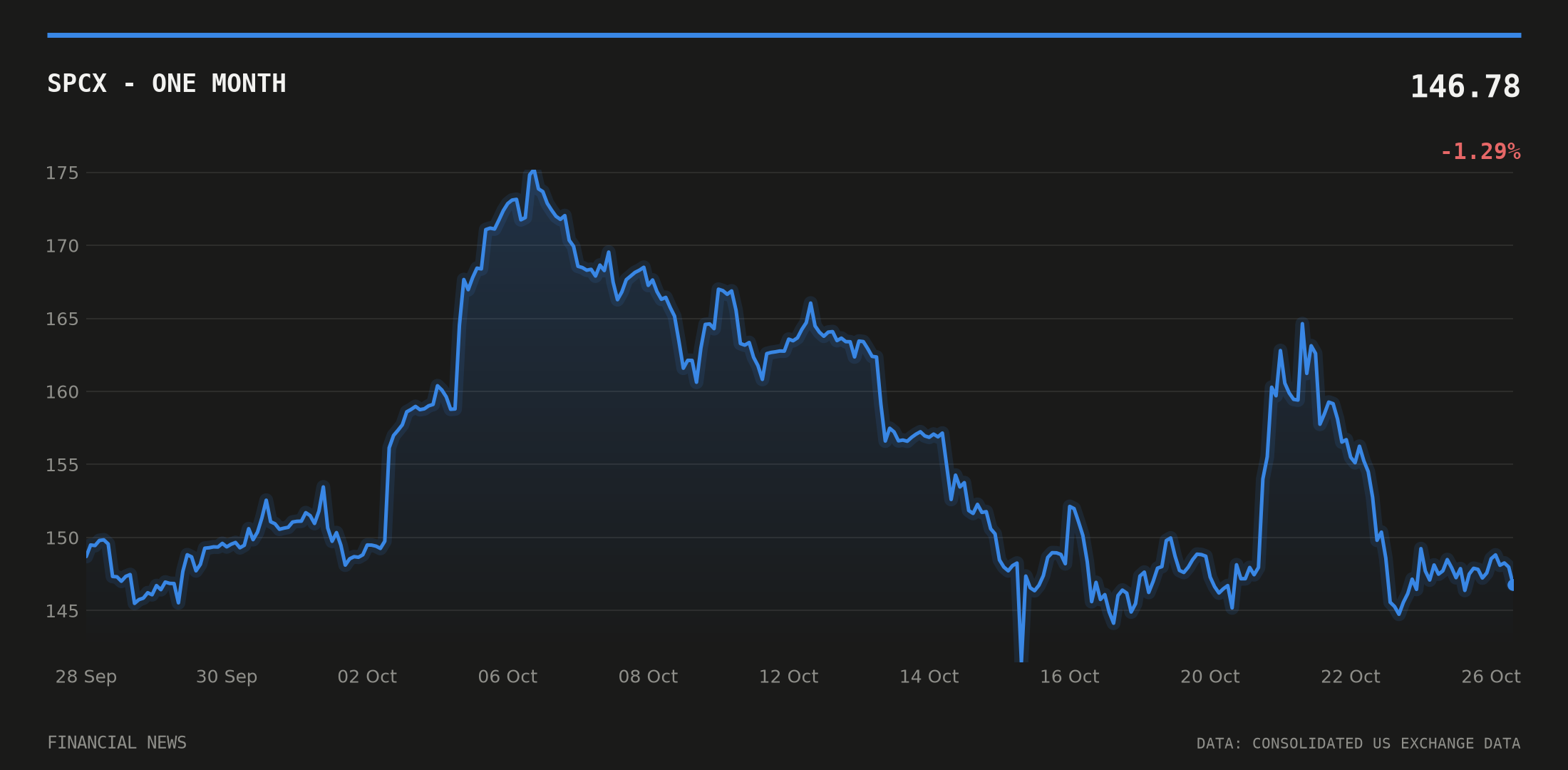
SpaceX stock did not celebrate the announcement. Shares traded at $145.94 as of 26 October, down 0.88% on the day and roughly 13% over the prior 20 trading sessions, against a 20-day high of $175.20. Trading volume ran at just 17% of the 20-day average, suggesting limited conviction either way. FINRA’s daily short-sale ratio for SPCX held in a narrow 0.58-0.69 band through the week of the announcement, showing no spike in short-selling activity around the news.
The muted reaction sits alongside a warning Musk delivered in the same breath as the financing news: he told reporters that more than 200 so-called neocloud AI providers could fail or consolidate as credit conditions tighten. SpaceX’s own manoeuvre – locking in chip supply through an off-balance-sheet lease rather than a straight loan – looks designed to insulate it from the same financing stress Musk predicted would hit smaller rivals. Musk’s AI venture xAI had previously pursued a similarly structured deal, seeking up to $20bn in off-balance-sheet financing through a sale-leaseback arrangement with Valor Equity Partners, according to Yahoo Finance.
The numbers behind the push
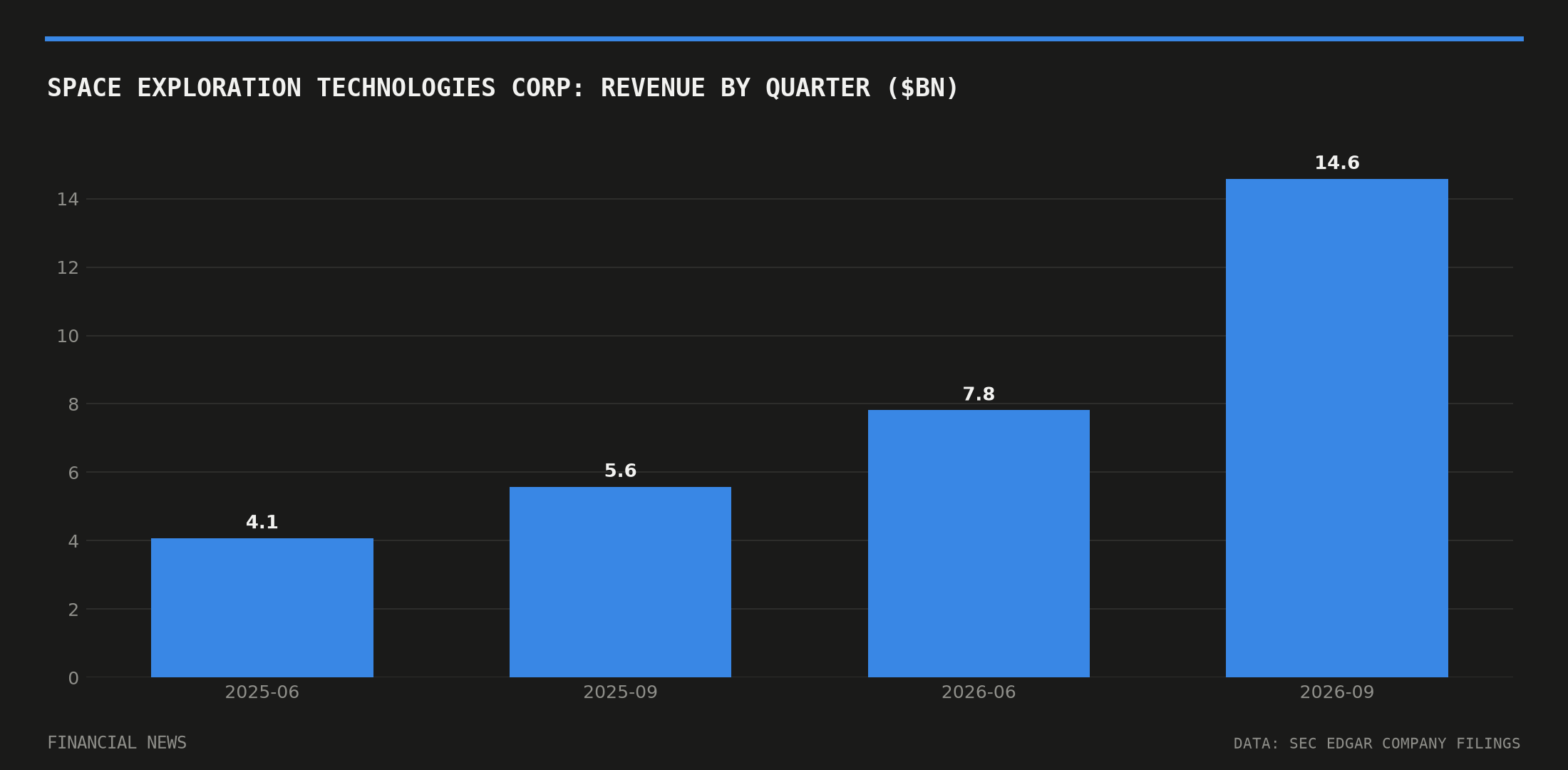
SpaceX’s underlying business has grown fast enough to support the ambition. Third-quarter revenue for the period ended 30 September 2026 reached $14.575bn, more than double the $5.576bn reported a year earlier, according to the company’s 10-Q filing with the SEC. Net income for the quarter was $4.404bn, reversing a $1.054bn loss in the same period last year.
That growth has come at a cost. SpaceX’s AI segment reportedly spent about $16.4bn in the quarter – roughly ten times what it spent on its core space business – according to The Motley Fool, underscoring how capital-intensive the GPU build-out has become. The company listed on Nasdaq under ticker SPCX on 12 June 2026, raising $75bn in an IPO that valued it at $1.77tn, per Wikipedia’s account of the offering, giving it a market capitalisation large enough to absorb financing structures of this size without touching its core balance sheet.
Backdrop: cheaper money, tighter scrutiny
The financing lands as US borrowing costs ease slightly. The 10-year Treasury yield stood at 4.96% as of 22 October, down from 5.13% previously, according to data from the Federal Reserve Bank of St. Louis. That marginally friendlier backdrop for large debt-like structures has not stopped scrutiny of how such deals are built. Investors will be watching whether Apollo and SpaceX formally confirm pricing terms, and whether the GPUs due in 2027 arrive on schedule, before treating the $40bn figure as settled fact rather than a work in progress.
This article is for information only and is not investment advice or a recommendation to buy or sell any asset. Markets move quickly; figures are correct as sourced at the time of writing. Always do your own research before making financial decisions.