Frontier Airlines opened reservations on 10 November 2026 for its first-ever First Class seats, part of a wider cabin overhaul that adds more extra-legroom Premium seating and in-seat power across its fleet, the airline said.
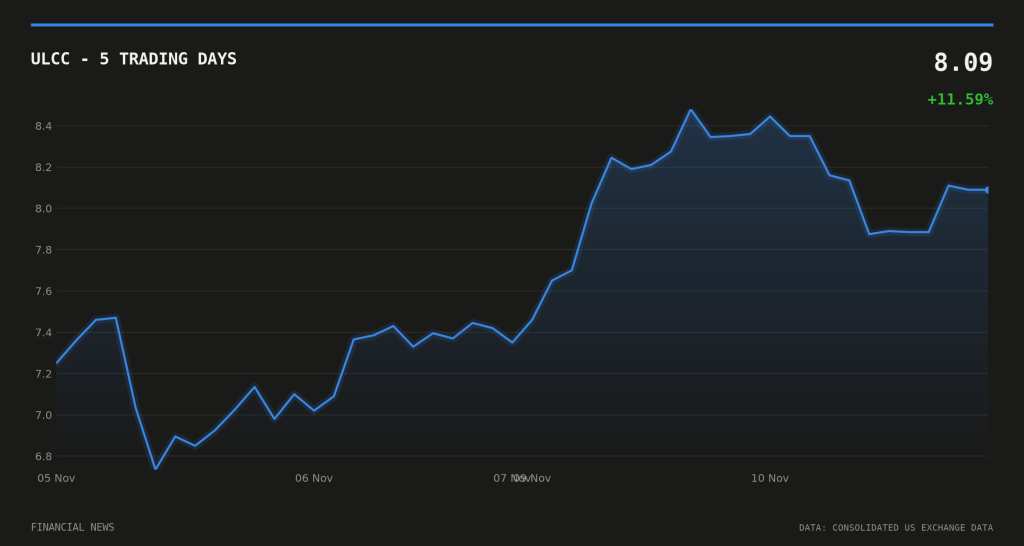
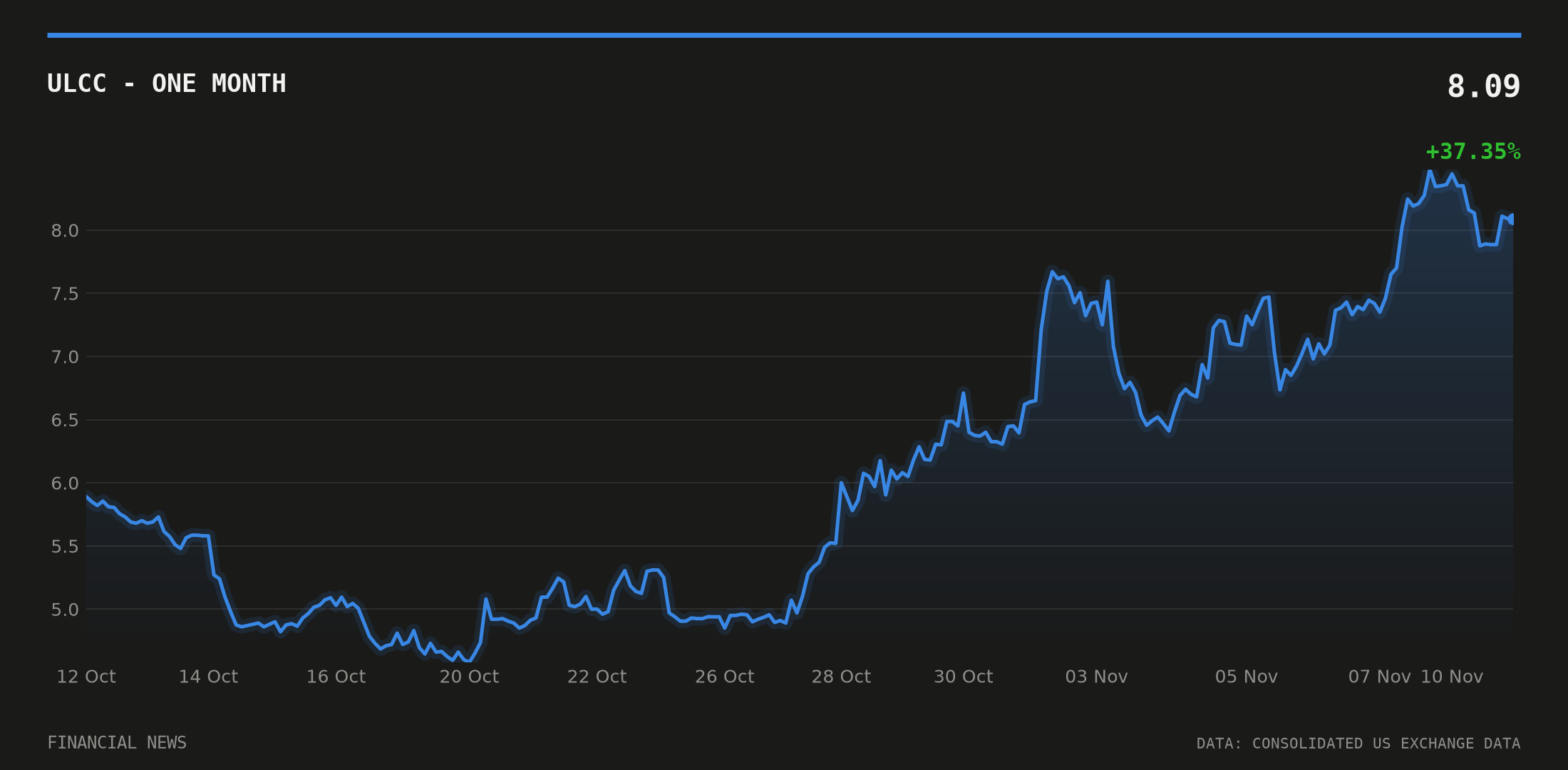
Frontier Group Holdings (NASDAQ: ULCC) shares have climbed 64.1% over the past 20 trading days, closing at $8.09 as of 10 November, even as the carrier posted a $104m GAAP net loss for the third quarter.
Cabin transformation details
The new First Class cabin seats passengers two-by-two with up to 37 inches of pitch, while rows three through eight get extra-legroom Premium seats with up to 34 inches of pitch, according to ABC News. The retrofit adds eight First Class seats at the front of each aircraft in the 2-2 layout, One Mile at a Time reported.
Frontier has begun installing the new seats, with the work expected to finish across the fleet by 5 March 2027, the airline said. The changes pair with Starlink Wi-Fi, which Frontier announced earlier. Unlike legacy carriers’ domestic first class, Frontier’s premium fares will not include free food, drink or recline, One Mile at a Time noted.
The low-cost carrier first signalled plans for a first-class cabin in late 2024, nearly two years before bookings opened, following an announcement at the Aircraft Interiors Expo in 2025.
Shares near 12-month high
ULCC touched a 52-week intraday high of roughly $8.52 in the days before the announcement, consistent with the stock’s 20-day high of $8.48. Trading volume ran 1.67 times the 20-day average as of 10 November, with the stock closing 0.55% lower on the day at $8.09 despite the sharp monthly gain.
Four Frontier officers – Trevor Stedke, Robert Schroeter, Alexandre Clerc and Josh Wetzel – each filed Form 4s with the SEC on 9 November, the day before the product announcement. The filings do not specify whether the transactions were acquisitions or disposals.
Record revenue, widening losses
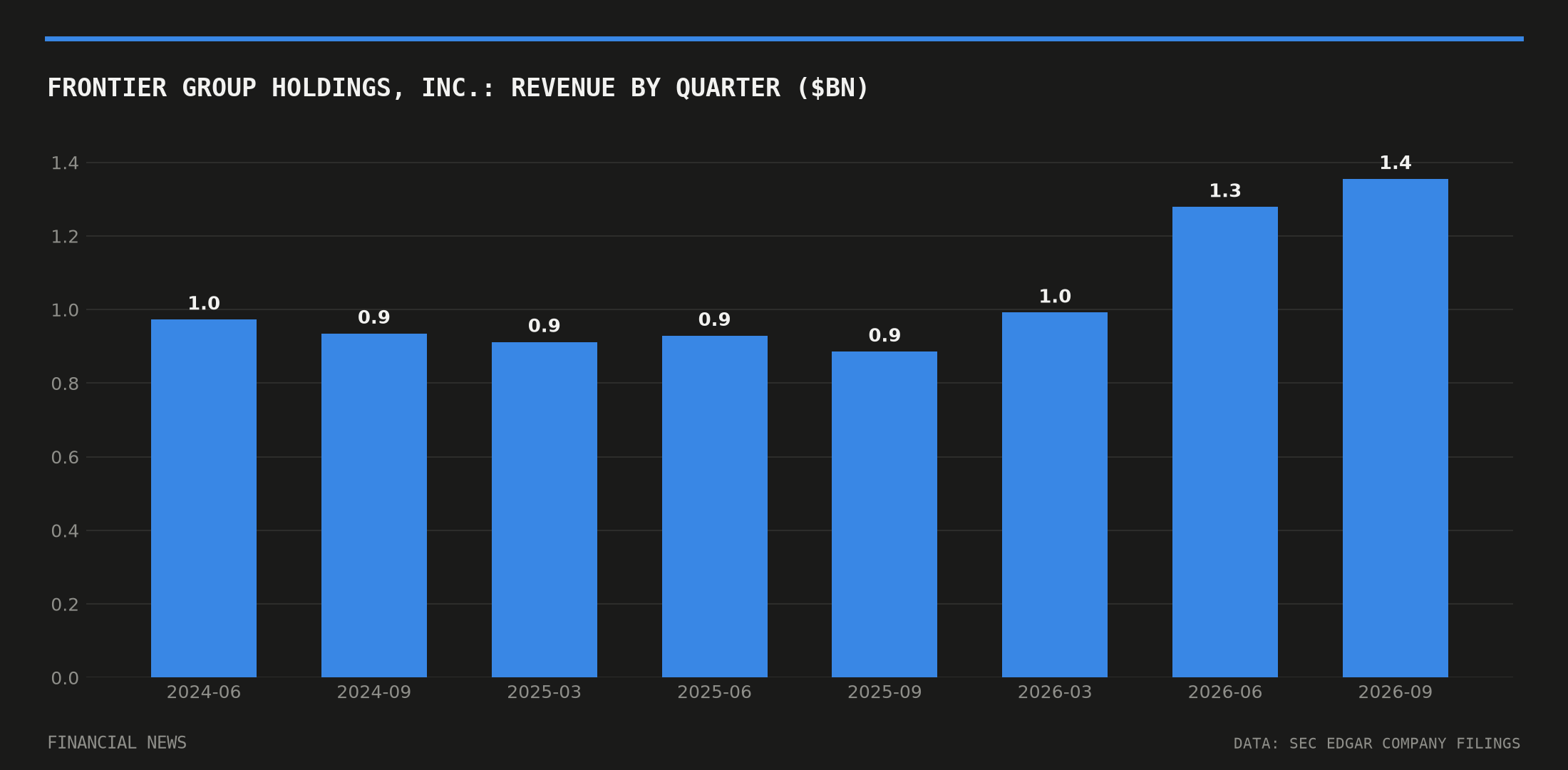
The premium-cabin push comes against a backdrop of deteriorating GAAP profitability. Frontier’s net loss has widened in every quarter since the start of 2025: from $43m in the first quarter of that year to $272m in the first quarter of 2026, before narrowing to losses of $90m and then $104m in the second and third quarters, according to filings with the SEC.
Diluted loss per share came to $0.45 in the third quarter, versus earnings of $0.11 a share in the same period two years earlier.
Revenue tells a different story. Frontier reported record third-quarter revenue of roughly $1.4bn, up 53% year-on-year, driven by what the company called commercial strategy execution. Stripping out one-off items, adjusted net income came to $40m, or $0.18 a diluted share, against the $104m GAAP loss – a gap largely explained by costs such as early lease returns that are excluded from the adjusted figure.
The airline cut its fourth-quarter guidance after fuel costs surged in the third quarter, even as revenue hit the record level, according to The Aviation Hub. That leaves Frontier funding a multi-year fleet and cabin retrofit at a moment when the 10-year Treasury yield stood at 4.88% and the 2-year at 4.56% on 9 November, according to Federal Reserve data – a backdrop of still-elevated borrowing costs for a capital-intensive carrier.
Investors will get the next read on whether the premium pivot is paying off when Frontier reports fourth-quarter results, with the cabin retrofit itself due to run through to 5 March 2027.
This article is for information only and is not investment advice or a recommendation to buy or sell any asset. Markets move quickly; figures are correct as sourced at the time of writing. Always do your own research before making financial decisions.