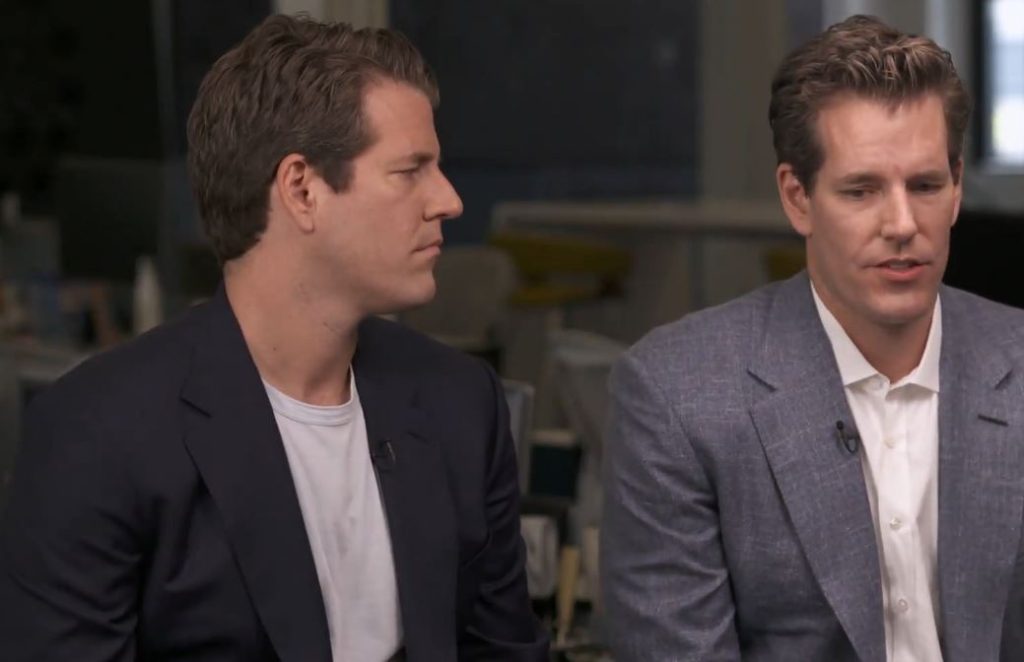
For the majority of the last ten years, Cameron and Tyler Winklevoss have been mostly recognized for their early Bitcoin holdings and the Gemini exchange they created. They are now placing a different kind of wager, one that is more subdued, intricate, and based on a privacy-focused cryptocurrency that has received little attention from the majority of casual cryptocurrency observers. Due in part to the size of the numbers involved and in part to the fact that they are not acting alone, their push into Zcash is beginning to garner significant attention.
Earlier this year, the Winklevoss camp bought about 5,000 Bitmain Z15 Pro mining machines from a supplier named Moria Mining for about $33 million through a company they support called Cypherpunk Technologies. According to Cypherpunk, that fleet is currently in charge of 18% to 20% of Zcash’s total network hashrate, making it the biggest Zcash mining operation globally. The company has set a goal to acquire up to 5% of the total circulating supply, and as of August, it held about 323,000 ZEC tokens, or 1.92% of the maximum supply of 21 million tokens. That objective sounds familiar. It is similar to the “Alchemy of 5%” strategy used by Tom Lee’s Bitmine Immersion with Ethereum, which is based on the notion that concentrated ownership of a small supply can significantly increase returns when prices fluctuate.
Will McEvoy, Chief Investment Officer at Cypherpunk, claims that a straightforward comparison explains why this specific mining wager appears appealing. McEvoy stated on the Bankless podcast that Zcash mining was making about $1,000 for each megawatt-hour of electricity used. The earnings per megawatt for Bitcoin miners who have been allocating their power capacity to AI hosting clients have increased from about $130 to about $240. While acknowledging that it’s “a good step up,” McEvoy noted that Zcash mining pays about four times that amount. That margin difference is huge for a company that depends on the difference between electricity costs and mining revenue. The fleet had an estimated gross annual revenue rate of $125 million five weeks after Cypherpunk purchased the equipment.
Scarcity, not just of the token itself, contributes to the high margin. Only a few thousand Zcash-compatible mining machines are produced each month by Bitmain, the only manufacturer. According to reports, it takes seven to eight months—possibly longer—to fill new orders. McEvoy pointed out that because Zcash hardware makes up a much smaller portion of Bitmain’s revenue than Bitcoin equipment, there is little incentive for the company to produce more. In order to compete with AI companies for factory capacity at locations like TSMC, any prospective rival attempting to enter the market would have to design its own chips. Cypherpunk thinks the profitability window remains open longer than it might in a more competitive hardware market because of this entry barrier.
On October 6, Winklevoss Capital submitted a request to the SEC to introduce a spot Zcash ETF on the Nasdaq under the proposed ticker WINK. The proposed fee is 0.25%, which is much less than what Grayscale charges for its current Zcash product. A possible investment of up to $100 million was mentioned in the filing. If it is approved, mainstream investors would have direct access to ZEC through a conventional brokerage account, which could result in previously unheard-of capital for the token.
It’s impressive how much support there is for all of this. Due in part to growing concerns that artificial intelligence tools are making it easier to trace transactions on transparent public blockchains, Zcash has increased by about 3,000% in the last year. In a world where AI can analyze blockchain data at scale, privacy-preserving cryptocurrencies—coins that allow users to conceal their transaction details—look different. It’s still unclear if that worry results in long-lasting institutional demand or if it stays a theoretical idea.
It is evident that Barry Silbert has grown to control about 20% of the Zcash hashrate through his Fortitude Mining operation, effectively matching Cypherpunk. In addition to mining capacity, the two sides are currently vying for investment products and narrative control over a long-dormant token. Watching this gives me a déjà vu feeling: two wealthy investors from the Bitcoin era are squaring off over the next big thing, just like they used to do over Bitcoin ETFs. Zcash is unlikely to remain silent, regardless of who wins this race.