The iShares MSCI Brazil ETF, ticker EWZ, dropped by almost 19.8% in a single session on October 26. To put it in statistical terms that are nearly impossible to describe, one widely circulated analysis states that a move of that size should happen approximately once every 58 quadrillion trading days under a normal distribution model. It was an extraordinary event in almost every way. And an election was the reason for it.
In the nation’s presidential runoff, Lula, a seasoned leftist with prior government experience, barely defeated Bolsonaro. For weeks, the markets had priced in a Bolsonaro victory. Expectations of a more market-friendly administration, ongoing reforms, and tighter fiscal policy were the foundation of the pre-vote rally. The unwinding was quick and harsh when those expectations vanished over nite. Brazilian real futures fell about 10% as EWZ opened on Monday under intense selling pressure. It was like watching a circuit breaker in slow motion, according to traders staring at their screens that morning.
EWZ, which tracks a market-cap-weighted index of 77 Brazilian companies of all sizes, is BlackRock’s main platform for accessing Brazilian stocks. Financial services accounts for roughly 33% of its exposure, followed by energy at slightly over 20% and basic materials at roughly 13%. This composition is important because the market has historically been dubious of Lula’s judgment in areas such as government spending policy, commodity pricing decisions, and state-owned enterprise management. It wasn’t a random selloff. It was the target.
EWZ had partially recovered from the lows by Wednesday, settling at about $33.62. Even after one of the worst single-day declines in the ETF’s history, the fund hasn’t set a new annual low because the 52-week range is between $30.71 and $43.90. Just focusing on that particular detail is worthwhile. Noting that the selloff may have overcorrected from what was already a speculative pre-election premium, some Weiss Ratings analysts identified both EWZ and Nu Holdings, the massive Brazilian digital bank, as possible opportunities in the aftermath. There is a case to be made there, but it calls for a level of patience that not everyone possesses at the moment.
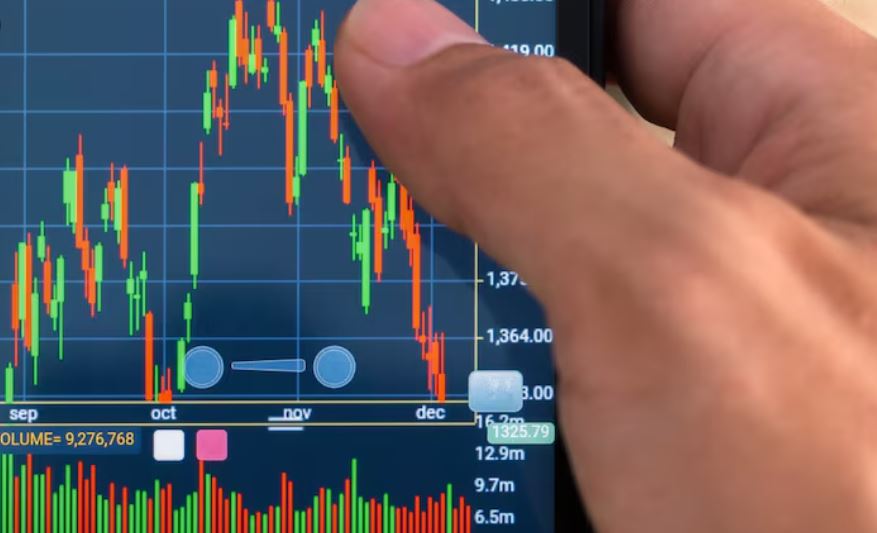
The conflict between the move’s statistical extreme and its political rationale is difficult to ignore. On news that anyone could have reasonably predicted as a possibility, markets typically don’t drop 8.4 standard deviations. The market acted as though a Lula victory was impossible, despite the fact that Brazil’s election was sufficiently competitive. This asymmetry implies that a large amount of money was placed with great confidence on one result, and the exit was chaotic when it failed to materialize. That has more to do with how crowded the trade had gotten in the days preceding the vote than it does with Brazil’s fundamentals.
The longer view is another thing to think about. As of late October, EWZ was still up roughly 9.33% year-to-date, indicating that despite one of the most significant single-session declines the ETF has ever experienced, investors who held through the year are still in positive territory. For a single-country emerging market fund, the fund’s expense ratio of 0.59% and 12-month trailing yield of approximately 3.94% are reasonable. In the days following the outcome, it was worthwhile to keep an eye on Brazil-exposed names like MercadoLibre, StoneCo, and dLocal for secondary indicators of how significantly sentiment had changed.
Whether Lula’s actual policy agenda will harm markets as much as the initial response suggested is still up for debate. Uncertainty results from elections. Reality is produced by policy. These are two different things, and history in Brazil and other countries has demonstrated that there can be a significant difference between what investors fear following a vote and what actually occurs once governance takes place. EWZ at $33 and EWZ at $43 are two different conversations. It all depends on what comes out of Brasília in the future.