
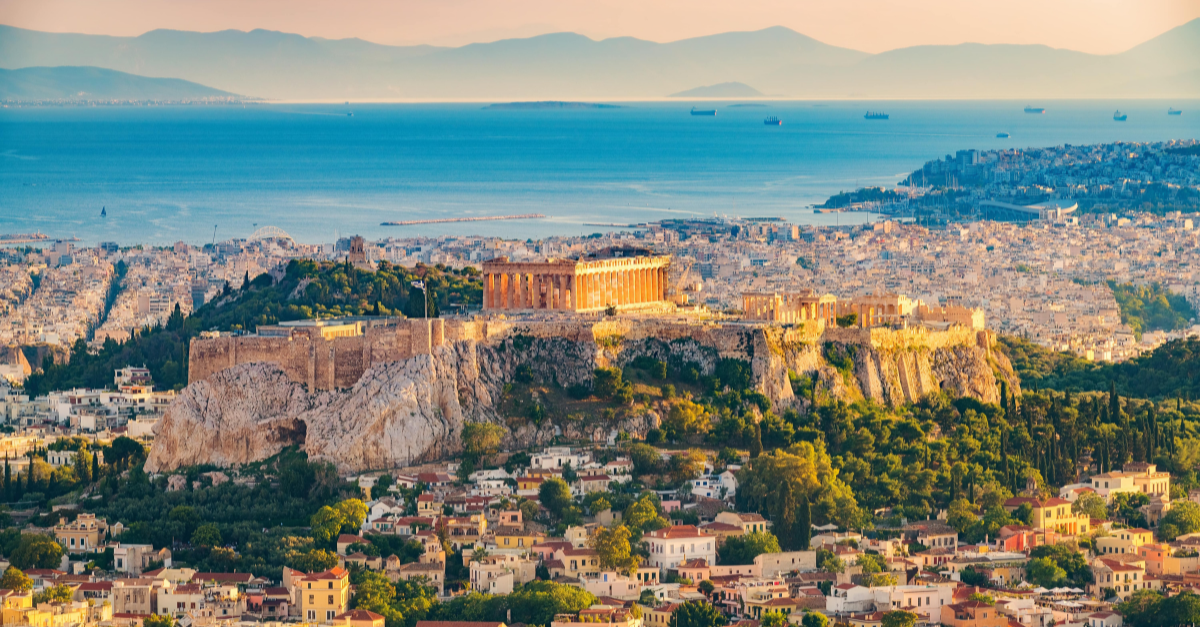

Greece is advancing towards a year-round tourism model, driven by Prime Minister Kyriakos Mitsotakis.
- Mitsotakis seeks to showcase Greece’s cultural heritage beyond just beaches and summer experiences.
- Year-round tourism could bolster both the environment and economy, reducing seasonal crowding.
- Key regions like Athens, Thessaloniki, and Crete are being highlighted for winter tourism.
- Challenges remain for smaller and remote islands, requiring broad industry collaboration.
Greece is progressing towards establishing itself as a year-round tourist destination, a vision championed by Prime Minister Kyriakos Mitsotakis. He discussed this ambition recently at an EU tourism summit, highlighting the nation’s potential to spread its annual tourist influx of 30-32 million more evenly throughout the year. Mitsotakis emphasised enhancing Greece’s cultural offerings to attract a diverse visitor demographic, highlighting that most tourists currently visit for summer and beach experiences.
The Prime Minister articulated a future where the focus shifts from tourist numbers to spending quality in Greece, suggesting that fewer tourists spending more could yield better economic and environmental outcomes. He stressed the importance of developing integrated experiences that merge Greece’s rich cultural heritage with its tourism offerings.
Harry Kyrillou, director of Planet Holidays, openly supported this initiative, aligning his company with Mitsotakis’ vision. For years, Planet Holidays has promoted tourism in Athens year-round and, more recently, in Thessaloniki, Heraklion, and Rhodes Town. Kyrillou illustrated how certain Greek regions, once catering primarily to summer visitors, can offer specialised cultural activities, such as gastronomy and wine tours, during off-peak seasons.
Kyrillou acknowledged the hurdles this transformation faces, particularly for Greece’s smaller and less accessible islands. To realise year-round tourism, collaboration between the tourism sector and Greek government is essential, requiring active participation from hoteliers, restaurants, and other service providers. Kyrillou also highlighted a growing preference among travellers for authentic, local experiences, rather than traditional resort stays.
This shift not only aligns with environmental benefits but also promises economic advantages. As articulated by both Mitsotakis and Kyrillou, such a strategy affords UK visitors the opportunity to explore Greece’s offerings beyond the traditional tourist season, fostering a more sustainable and enriching travel experience.
Greece’s shift towards year-round tourism necessitates industry cooperation and innovative cultural offerings.

