

A single ball python with the right gene combination sells for $10,000. Marcus Cole built HatchLedger in Los Angeles because the breeders producing them still ran their operations on handwritten notes and spreadsheets.
The money involved surprises most people outside the reptile community. Breeding pairs of high-end leopard geckos command prices that stop newcomers cold. At commercial scale, large hatcheries ship thousands of animals every year. Destinations include pet stores, online buyers and reptile expos across the United States. Behind every one of those transactions sits a dense web of data. Genetics, pairing records, incubation temperatures, clutch sizes, hatch rates, feeding histories and lineage documentation all feed into it. Yet for years, most breeders managed all of it manually. More than 300 hatcheries now use HatchLedger instead.
One number explains much of the platform’s appeal: 50 to 90. That’s the range of days a reptile egg might take to hatch, depending on species and incubation conditions. Traditionally, breeders estimate pip dates from incubation temperature and handwritten notes scrawled on egg boxes. That method leaves feeding schedules, supply orders and sales plans permanently uncertain. HatchLedger’s hatch date prediction engine analyses species-specific incubation data alongside temperature patterns and each breeder’s own historical results. In turn, it forecasts expected pip dates within a narrower window. Breeders prepare in advance rather than react when eggs arrive ahead of schedule.
Cole understood his audience precisely. “Reptile breeders are obsessive record keepers by nature,” he said. “They just never had a tool that was as serious about their data as they are. They were using tools designed for people who don’t care about data the way they do. HatchLedger was built from the start for the kind of person who names their spreadsheet tabs by morph combination.”
That community portrait tells you exactly what the platform tracks. HatchLedger records morph genetics, heterozygous traits, visual markers, super forms, clutch records, incubation protocols and pairing outcomes. Each animal carries a complete profile from first meal onward: weight logs, shed records, feeding history and veterinary notes. All of it links to parent lineage and genetic traits carried both visually and as hets. For breeders producing animals where a single gene combination drives a $10,000 price tag, documentation is not optional.
Nor is proof of lineage when the animal changes hands. HatchLedger generates a professional buyer packet from a single click. It includes parent lineage, genetic traits and full care history, formatted and ready to print. For high-end morph sales, buyers expect documentation the way car buyers expect a service record. That packet carries real commercial value. It also reduces post-sale disputes about genetics, which any experienced breeder will confirm happen regularly.
Beyond individual animals, the platform tracks breeding pair performance over time. Breeders record lock dates, lay dates, clutch sizes, fertility rates and hatch rates for every pairing. As those records accumulate, patterns emerge — which combinations produce consistent clutches, which pairings underperform, which pairs to retire. Over time, breeders refine their programmes using actual performance data rather than memory and instinct.
Feeder colony management rounds out the operational picture. Most reptiles eat insects or rodents, and large hatcheries maintain live colonies to supply that demand. HatchLedger monitors colony populations, breeding cycles, consumption rates and reorder timing. Feed supply ranks among the most significant recurring costs in commercial reptile breeding. Spreadsheets handle it badly when hundreds of animals feed on different schedules.
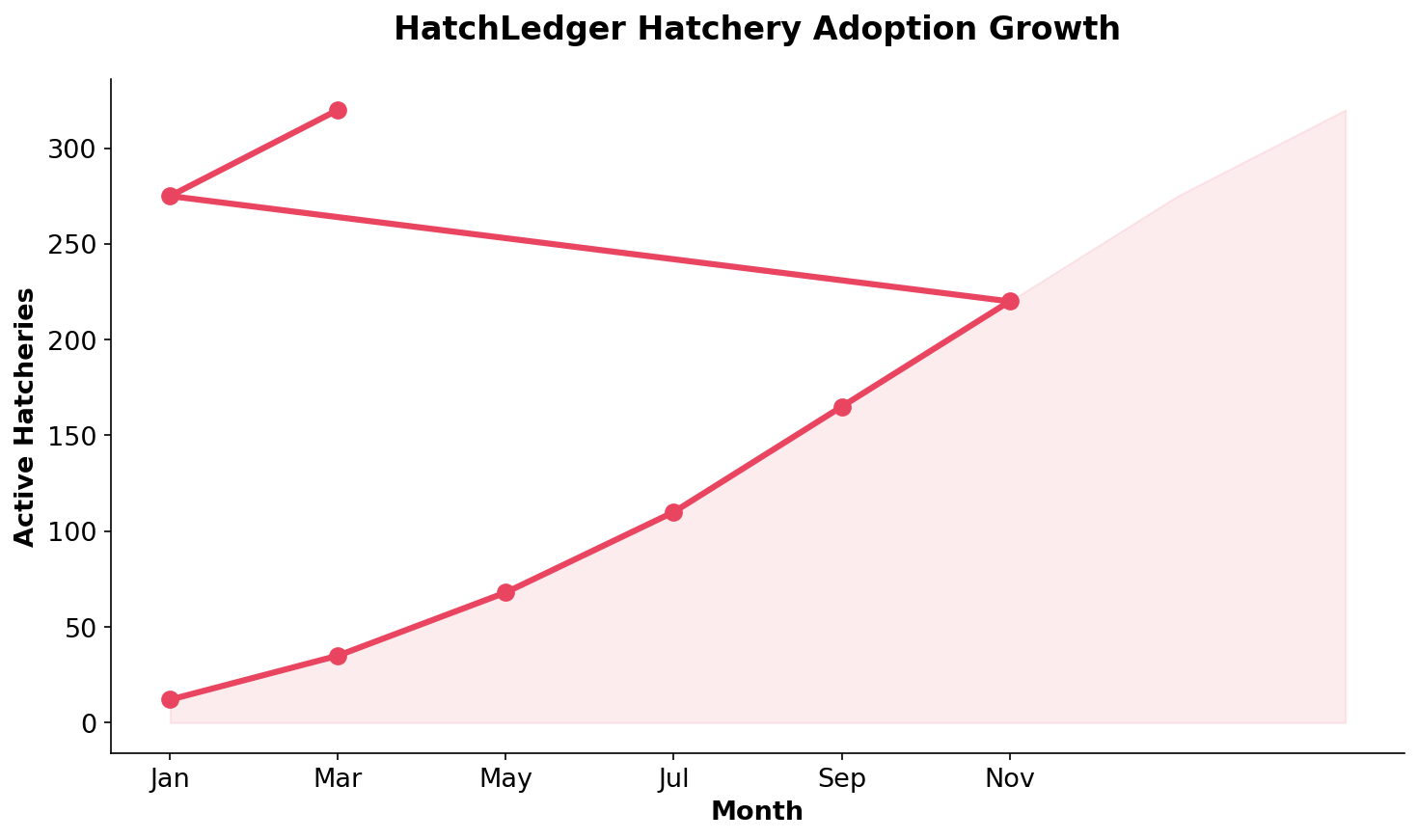
HatchLedger serves both hobbyist breeders managing a handful of animals and commercial hatcheries overseeing hundreds. The platform extends the vertical trade software pattern visible across farriery, tree services, beekeeping and barn management. Each represents skilled, data-intensive work that outpaced generic software long ago. In each case, the gap closed only when someone from inside the industry built the tool. Adapting something for a different problem entirely never quite worked.
A species database covers ball pythons, leopard geckos, crested geckos, boas, corn snakes and numerous others. Each entry includes incubation parameters, breeding season timing, clutch size ranges and growth benchmarks. Free tools sit alongside the platform without requiring an account. They include morph calculators, incubation temperature guides and feeding schedule planners.
The spreadsheet named by morph combination still exists in most breeding rooms. Still open on someone’s laptop. Yet doing a job it was never built for. For 300 hatcheries, though, that particular tab just closed.
