
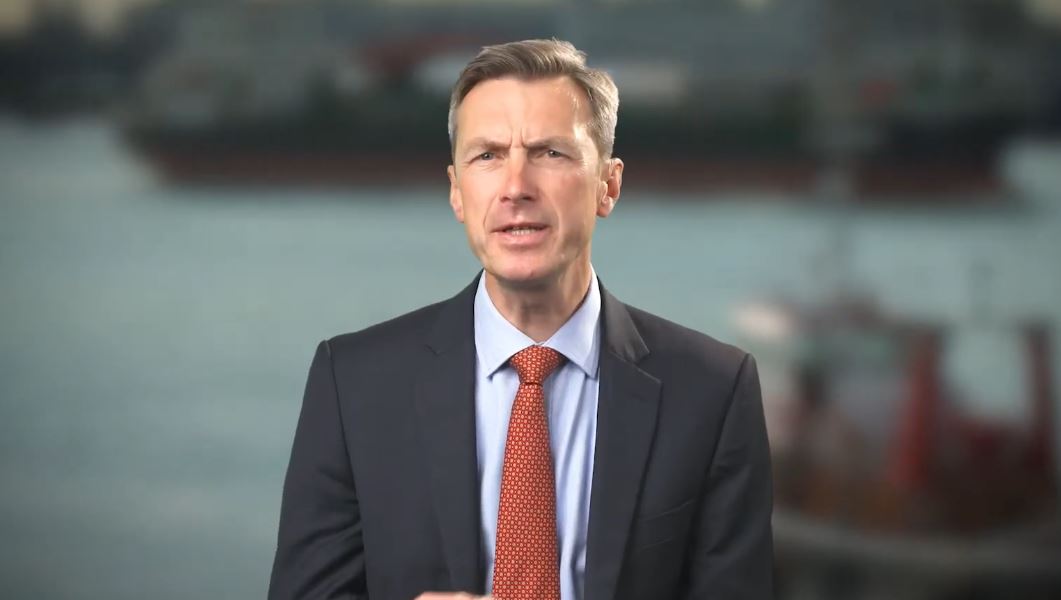

The number is posted online every few months, and the response is consistent. Comments quickly fill up. A mixture of surprise and annoyance is expressed by those who have dropped coins into RNLI collection boxes for decades. The annual base salary of Peter Sparkes, who took over as Chief Executive of the Royal National Lifeboat Institution in June 2024, is £175,000. The total package is closer to £217,000 when employer National Insurance and pension contributions are taken into account.
The RNLI is a large organization. In the debate, that is often overlooked. The organization runs more than 230 lifeboat stations along the coasts of the UK and Ireland, employs hundreds of paid workers in addition to its well-known volunteer crews, and oversees a fundraising operation that generates well over £200 million a year. It’s really difficult to run; it’s more like running a mid-sized emergency services and logistics company than a neighborhood charity store. When determining whether £175,000 is reasonable, excessive, or just the going rate for the job, this context is important.
Nevertheless, the response makes sense. Nearly all of the RNLI’s emotional appeal stems from its volunteer identity. When most people think of the organization, they picture unpaid crew members in orange drysuits taking off at three in the morning into choppy waters. It’s challenging to overcome the cognitive friction created by the disparity between that image and a six-figure executive salary. It’s possible that the conflict itself is the point—donors have a sense of ownership over charities that they don’t have with private businesses, and that ownership is accompanied by scrutiny.
Over time, the salary has increased significantly. Andrew Freemantle, the RNLI’s chief executive at the time, received £105,000 in 2003, which was one of the highest charity salaries in the industry at the time. Mark Dowie, the former CEO of Sparkes, made about £160,000.
However, during the early months of the coronavirus pandemic in 2020, he took a 50% pay cut, which was well received. The question of whether voluntary pay reductions during times of crisis should be the benchmark for evaluating charity executives is a different one, but it remains ingrained in the public consciousness.
For years, the larger charity sector has struggled with this issue without coming up with a clear solution. It is reasonable to argue that competitive compensation is necessary to draw in capable leadership—individuals who can manage big budgets, navigate regulatory environments, handle reputational crises, and oversee complex operations. Underpaying the CEO of a charity may result in short-term savings but long-term losses due to bad choices, unsuccessful fundraising efforts, or operational errors. This is directly addressed on the RNLI’s own FAQ page, which states that the salary is determined by an independent remuneration committee and compared to similar organizations.
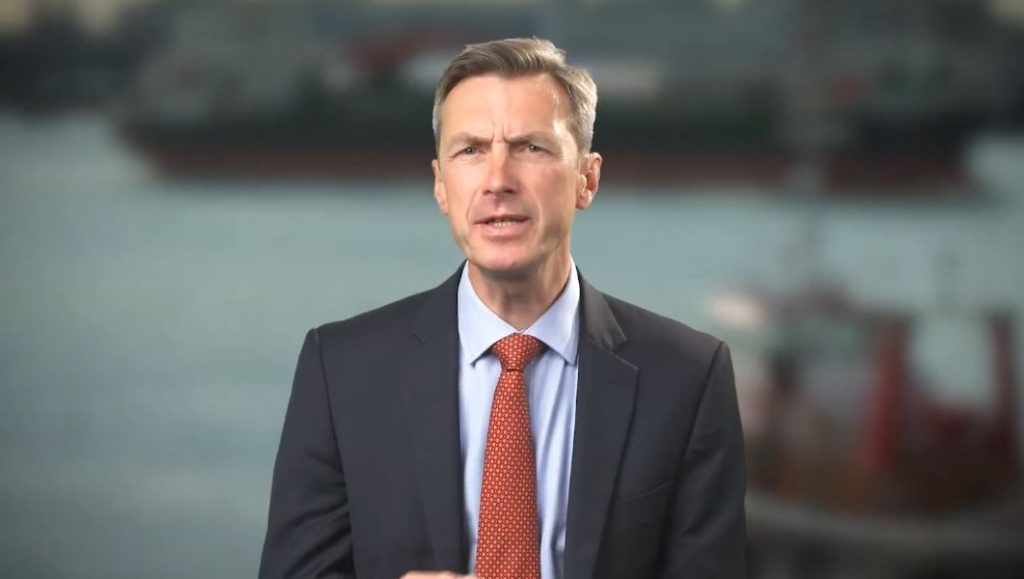
However, when the organization’s entire public identity is based on selfless service, it seems that the benchmarking argument is limited. There is no compensation for the volunteers who crew the lifeboats. They are funded by donors who trust the organization, many of whom are elderly and have low incomes. The RNLI appears to be aware of whether this trust extends to executive compensation at this level, as evidenced by the fact that it actively publishes salary information and responds to inquiries about it on its website. Although it doesn’t put an end to the argument, transparency at least demonstrates that the organization isn’t acting as though the issue doesn’t exist.
Whether any figure would completely appease critics is still up for debate. The debate over charity CEO compensation has been going on for decades, and it usually gets more heated whenever a particular figure comes up instead of remaining silent in an annual report. The debate over the CEO salary at RNLI actually reflects a larger lack of clarity about what we want charities to be: lean, mission-driven, volunteer-led organizations or professionally run, scalable businesses. The RNLI has always been both in reality. The conflict between those two issues is not going away anytime soon.
