

Uber Technologies (NYSE: UBER) is cutting about 3,300 jobs as part of a management overhaul, Bloomberg reported on 2 September 2026.
The reductions amount to roughly 10% of Uber’s global workforce, according to Bloomberg’s reporting, bringing total headcount to just under 30,000, Benzinga reported.
Uber job cuts target management layers
The changes were set out in an internal email from chief executive Dara Khosrowshahi, as first reported by TechCrunch, which said the memo combined the company’s engineering, science and delivery divisions.
Uber will cut the number of managers by 20% and reduce staff sitting seven or more reporting layers below the chief executive, GV Wire reported. Teams with just one or two direct reports face cuts of nearly half, the outlet said. Some managers will move into individual-contributor roles, Quartz reported.
The reductions are Uber’s largest since May 2020, when the company cut 6,700 jobs, nearly a quarter of its then workforce, during the pandemic collapse in ride demand, GV Wire noted. This round follows narrower cuts earlier in the year, including a 23% reduction in Uber’s People and Places division, which handles HR, recruiting and facilities, out of a workforce then numbering roughly 34,000, according to Quartz.
Robotaxi push cited as rationale
Uber has framed the restructuring as freeing up capital for its autonomous-vehicle ambitions. The company has committed more than $10bn to self-driving partnerships, including stakes and agreements with Avride, Lucid, Nuro and Rivian, Quartz reported.
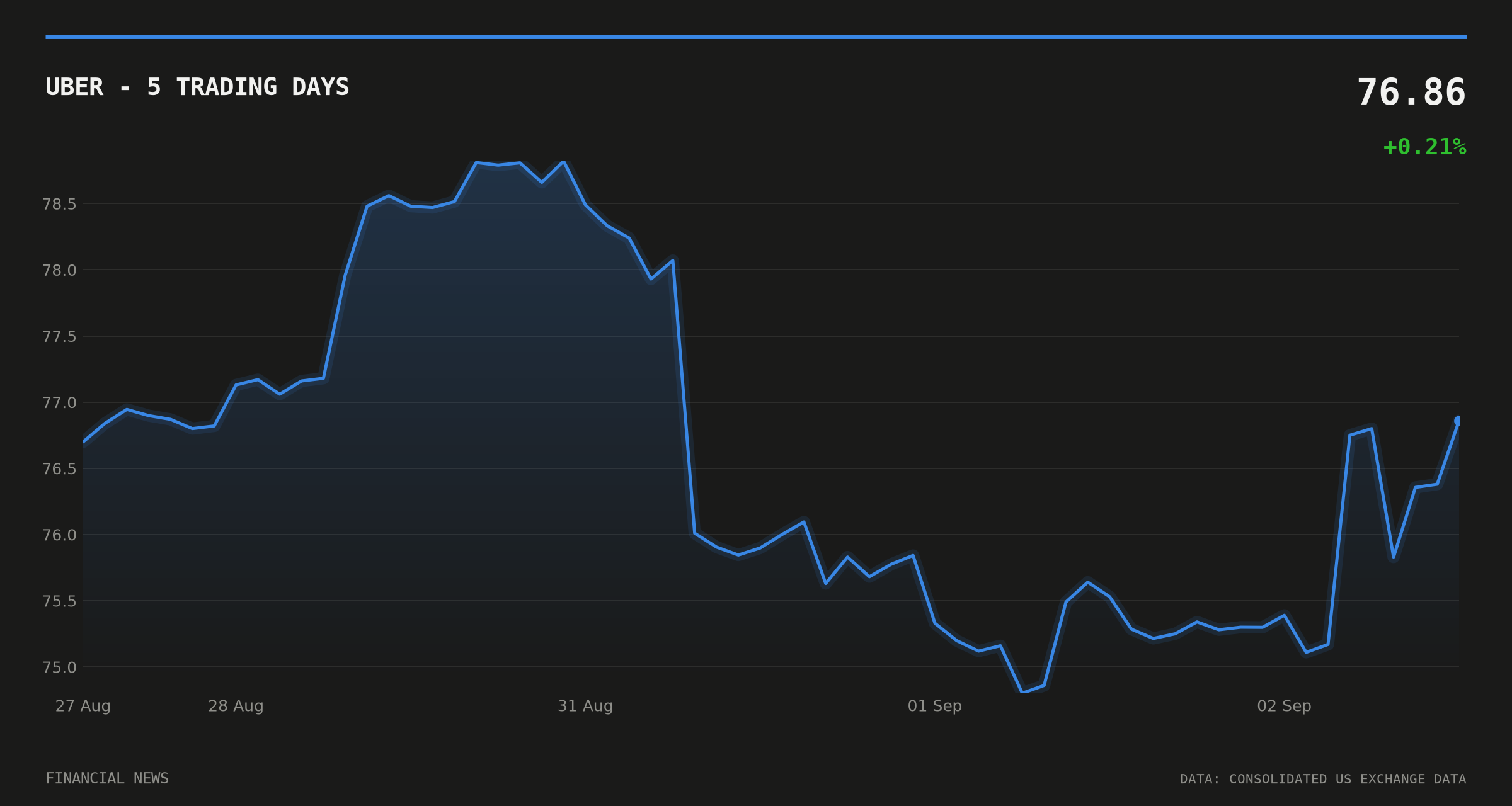
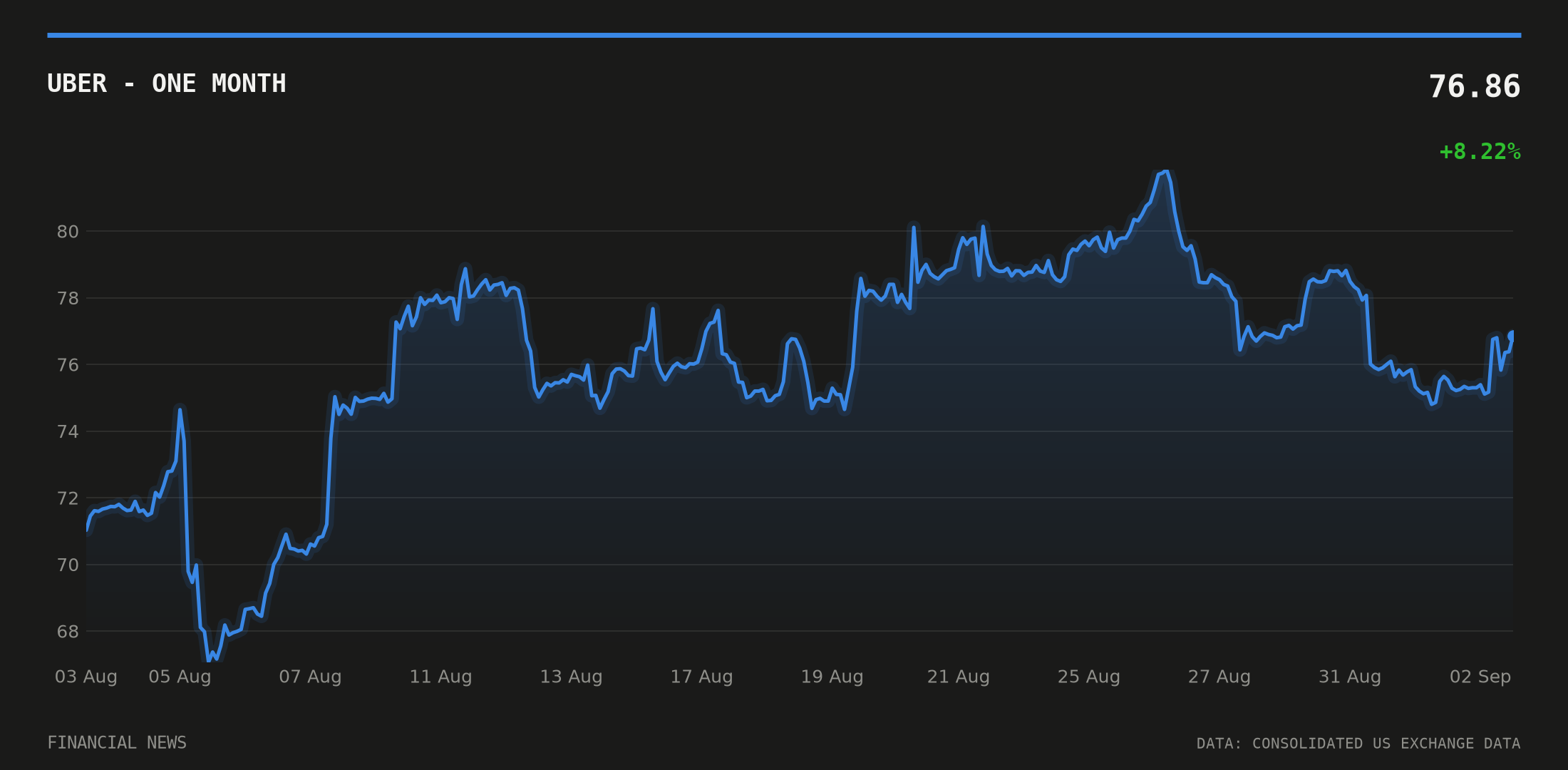
Shares closed at $77.16 on 2 September, up 2.73% on the day, according to consolidated US exchange data. The stock had traded in a 20-day range of $74.65 to $81.85, and turnover on the day ran below its 20-day average, the data showed. Daily short-sale ratios in the fortnight before the announcement ranged between 0.39 and 0.55, according to FINRA daily short-sale volume data, showing no evident spike in bearish positioning ahead of the news.
Earnings backdrop
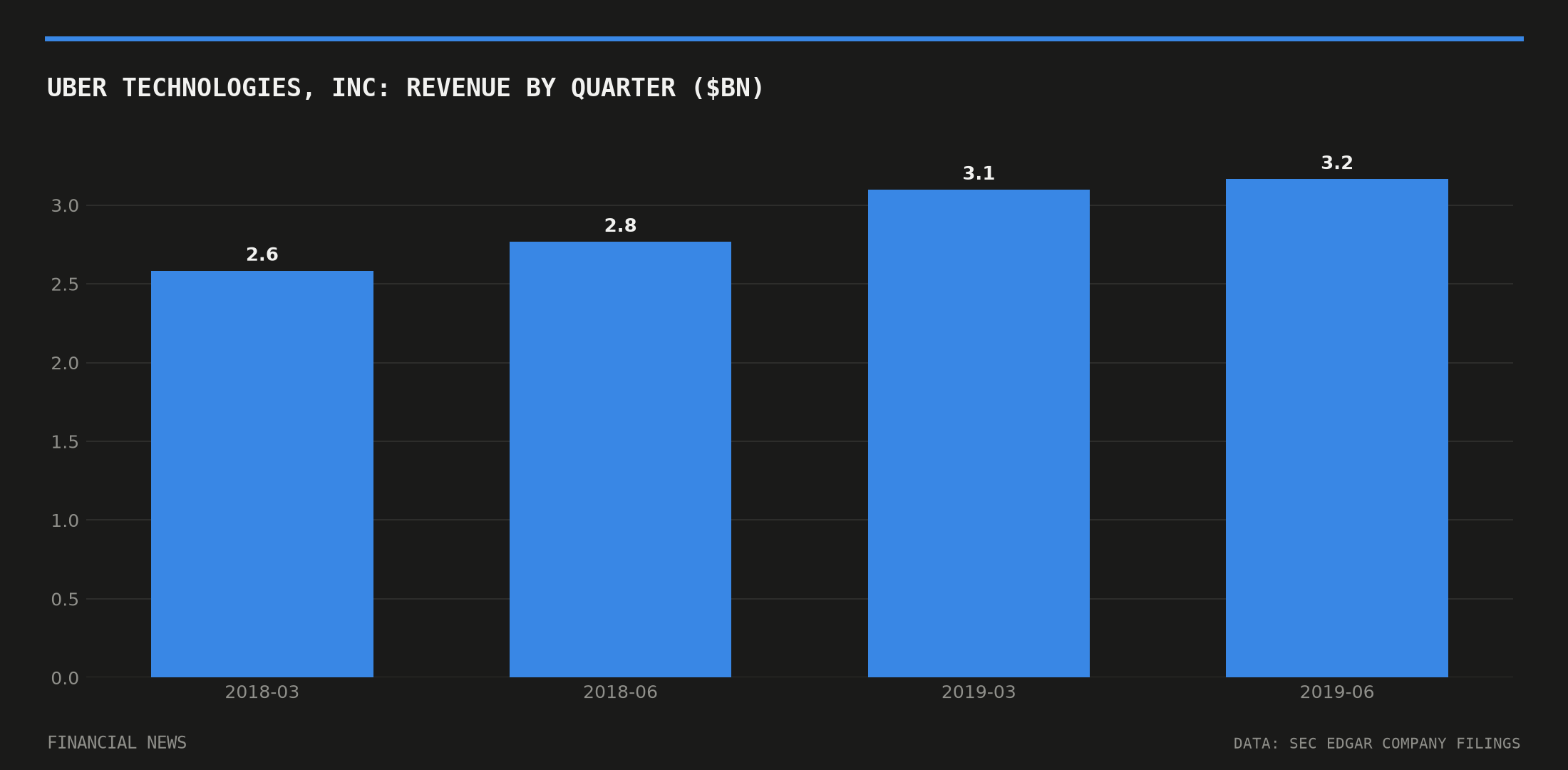
The cuts land against a mixed run of quarterly results. Uber reported net income of $2.39bn for the quarter ended 30 June 2026, up sharply from $263m in the first quarter of the year, according to its 10-Q filed with the SEC on 5 August 2026. Diluted earnings per share were $1.17 in the second quarter, versus $0.13 in the first, the filing showed.
The swing follows a volatile year. Uber posted net income of $6.63bn in the third quarter of 2025 and $1.36bn in the second, according to filings covering those periods, while the fourth quarter of 2024 produced net income of $6.88bn, disclosed in an 8-K filed in January 2026. Those figures have been driven substantially by one-off tax and equity-investment items rather than core operating performance, a pattern common across the ride-hailing sector’s recent reporting.
No 8-K or other filing disclosing the restructuring or any associated exit and disposal charge had appeared on Uber’s SEC record at the time of writing, meaning the plan so far rests on the internal memo and subsequent press reporting rather than a formal regulatory disclosure.
Macro backdrop
The announcement comes as US labour-market data shows some easing, with unemployment at 4.1% in July 2026, down from 4.2% the prior month, according to Federal Reserve data. The 10-year Treasury yield stood at 4.75% on 31 August, up slightly from 4.73%, per FRED figures, while the 10-year/2-year spread held near 0.40 percentage points, little changed from the prior session.
Investors will now watch whether Uber discloses a restructuring charge in a future filing, and whether the trimmed management structure shows up in third-quarter results due later this year.
This article is for information only and is not investment advice or a recommendation to buy or sell any asset. Markets move quickly; figures are correct as sourced at the time of writing. Always do your own research before making financial decisions.
