
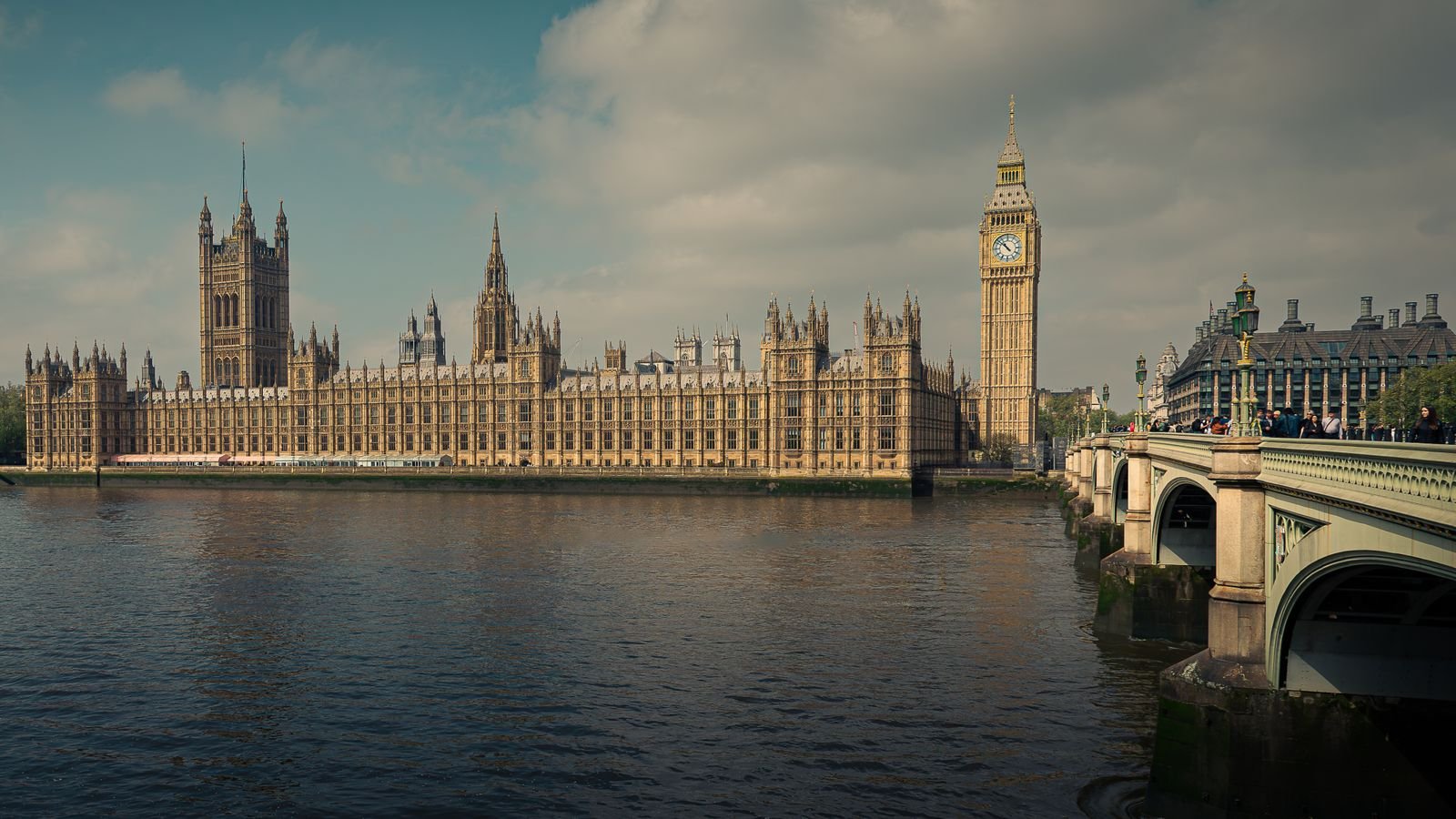

Autumn has settled in, and focus in Westminster, and across the country, is turning to the Chancellor’s coming Autumn Budget. The economy has been fairly steady of late. Even so, inflation still nags away, and public services need money spent on them. That makes this year’s statement a tricky balancing act.
The famous red briefcase stays shut for a few more weeks. The rumour mill, though, is already spinning fast. Property taxation could move. Personal allowances could be altered. Whatever is said at the dispatch box will feed straight through to family finances, housing plans and everyday budgeting.
Below is a summary of what people in finance and political commentators think the 2026 Autumn Budget may hold.
1. Housing Levies and Stamp Duty
Housing always draws the eye at a major fiscal event. Mortgage rates have eased across the past 18 months. Even so, affordability still blocks plenty of people, above all those hoping to buy a first home.
Stamp Duty Thresholds: Calls are growing for the Chancellor to look again at Stamp Duty Land Tax (SDLT). Today’s thresholds were altered on a temporary basis in earlier years, and they now face close examination. Many trade bodies want the higher nil-rate band kept permanently for first-time buyers. Others want the tax rebuilt more widely, so that downsizers move on and larger family homes are freed up.
Landlord Interventions: Buy-to-let owners will follow all of this closely. Rules have tightened for years and tax reliefs have shrunk. One strand of speculation says ministers could offer carrots to lift the stock of rented homes. Another says fresh charges on second homes could be used to raise money instead.
2. Taxes on Individuals and Allowances
Household bills remain a live worry, so taxes on individuals will draw real interest. Much of the debate sits around “fiscal drag”, where frozen thresholds pull more people into steeper tax bands as their pay rises.
Income Tax Thresholds: Watch for any sign that the Chancellor will unfreeze income tax thresholds. Lifting the freeze would add a small but welcome amount to take-home pay for millions of workers. It would also soften the way rising wages push people into steeper bands.
Inheritance Tax (IHT): IHT comes up before nearly every Budget. A full rewrite looks improbable. Even so, the nil-rate bands might be changed, or the rules on gifting and on agricultural and business reliefs might be adjusted, as the Treasury hunts for ways to square the books without losing voters.
3. Retirement Pots and Saving
Helping people build security for the long term stays on the government’s list. The tools used to do that, though, get rewritten fairly often.
Pension Tax Relief: Pension tax relief as it stands costs the Treasury dearly, above all where higher earners are concerned. Talk persists that ministers may level out the rate of relief, perhaps with a single flat rate. Basic-rate taxpayers would gain from such a change. Those in higher bands would have less reason to pay in.
ISAs and Savings: The ‘British ISA’ arrived earlier this decade with the aim of steering money into UK companies. This Budget could be used to adjust ISA allowances again, or to add new incentives for investing at home and lifting the wider economy.
4. Help for Firms
Growth is the overriding aim, and firms must be backed for it to arrive. The Autumn Budget is likely to set out steps on innovation and investment.
Corporation Tax and Investment Allowances: Headline Corporation Tax rates look set to hold steady, so attention may land on capital allowances. Schemes that let firms write investment costs off against their tax bills could be extended, or made permanent. That may prove a central lever for growth and better productivity.
Targeted Sector Support: Help aimed at particular sectors may also appear, for example green energy, technology, or plans for regional development, all in line with the government’s wider strategic aims.
Walking the Tightrope
Two aims will shape the 2026 Autumn Budget at once: lifting economic growth and keeping the public finances in order. The Chancellor has to answer the strain on household budgets and public services. At the same time, the markets must not be rattled, and inflation must not climb back.
Owners and would-be buyers are trying to read the runes. Industry voices advise calm.
“Budgets inevitably trigger a wave of speculation, but the key for households and property owners is not to make knee-jerk decisions based on pre-announcement rumours,” says Lee Trett, mortgage expert and co-founder of Money Helpdesk. “Whether we see tweaks to stamp duty reliefs, adjustments to capital gains, or broader fiscal shifts, the fundamentals don’t change overnight. The smartest move right now is focusing on what is within your control: reviewing your existing outgoings, understanding your borrowing position, and planning well in advance if you have an upcoming remortgage on the horizon.”
These forecasts rest on the economic signals and political chatter of the moment. What the Budget really contains stays under wraps until the Chancellor rises in Parliament. The picture will sharpen once the final policies are confirmed at the dispatch box.
About Money Helpdesk
Money Helpdesk runs a wide-ranging comparison site and advice network for financial services. It started out as a mortgage comparison service, then moved into other areas. It was set up by the team behind Echo Finance, a whole-of-market brokerage that over 250,000 people have trusted since 2012. The platform aims to remove the stress from financial journeys by putting customers in touch with experts directly.
These days, Money Helpdesk provides whole-of-market comparison and independent advice over a broad range of services. Help covers pensions, investments, business finance, later life lending, and residential or commercial mortgages. Its brokers and financial advisers are all fully qualified, and they are on hand with solid, tailored advice so you secure the best deal you can.
Contributed content: this article was written by a third-party contributor and does not necessarily reflect the views of Financial News. Editorial and Advertising Policy
