

Jack Henry & Associates (NASDAQ: JKHY) said on 16 October 2026 it is expanding its collaboration with Google Cloud (NASDAQ: GOOGL) to bring tokenized deposits to banks and credit unions. The move runs through Google Cloud Universal Ledger, or GCUL, the companies said.
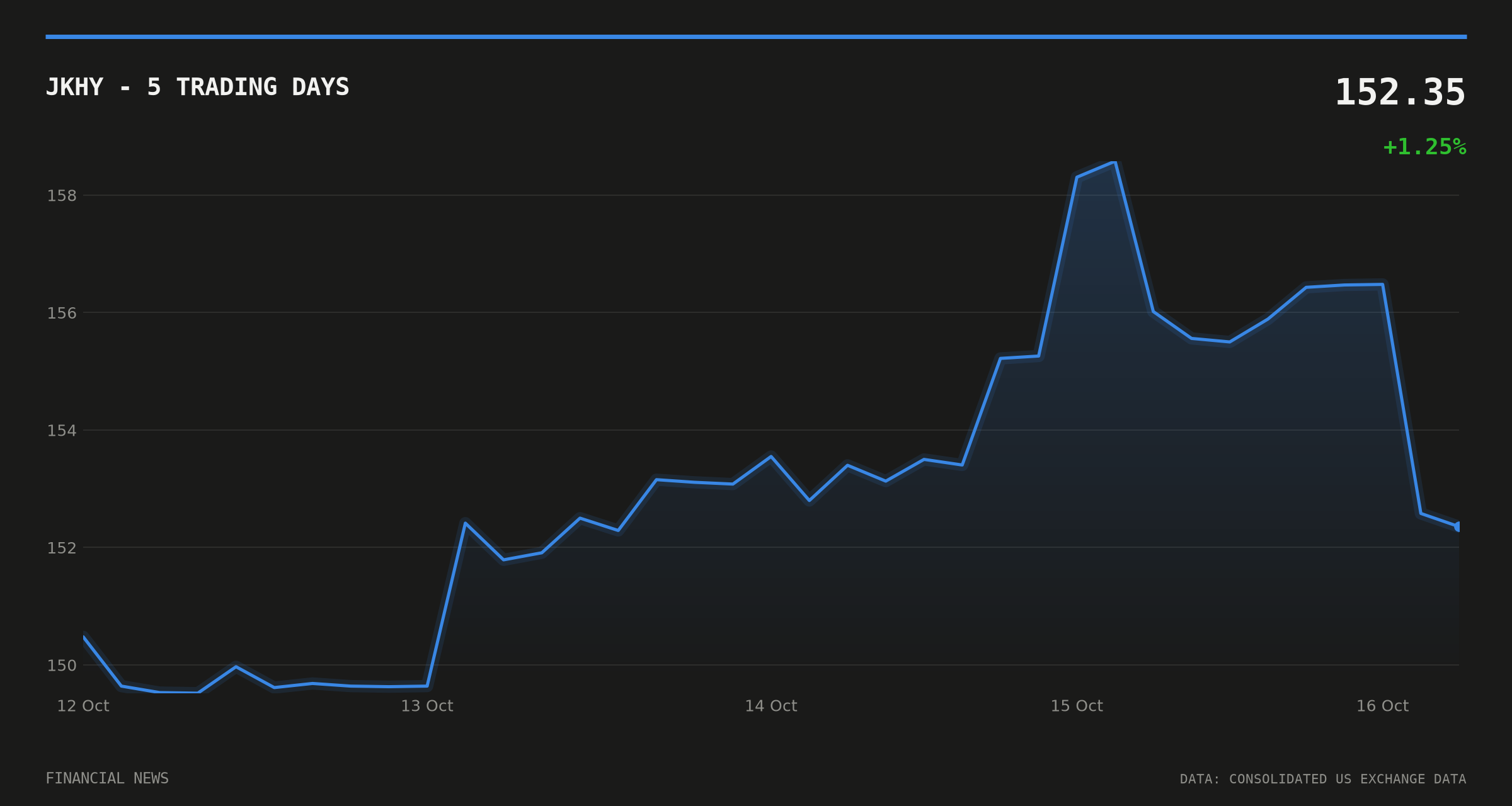
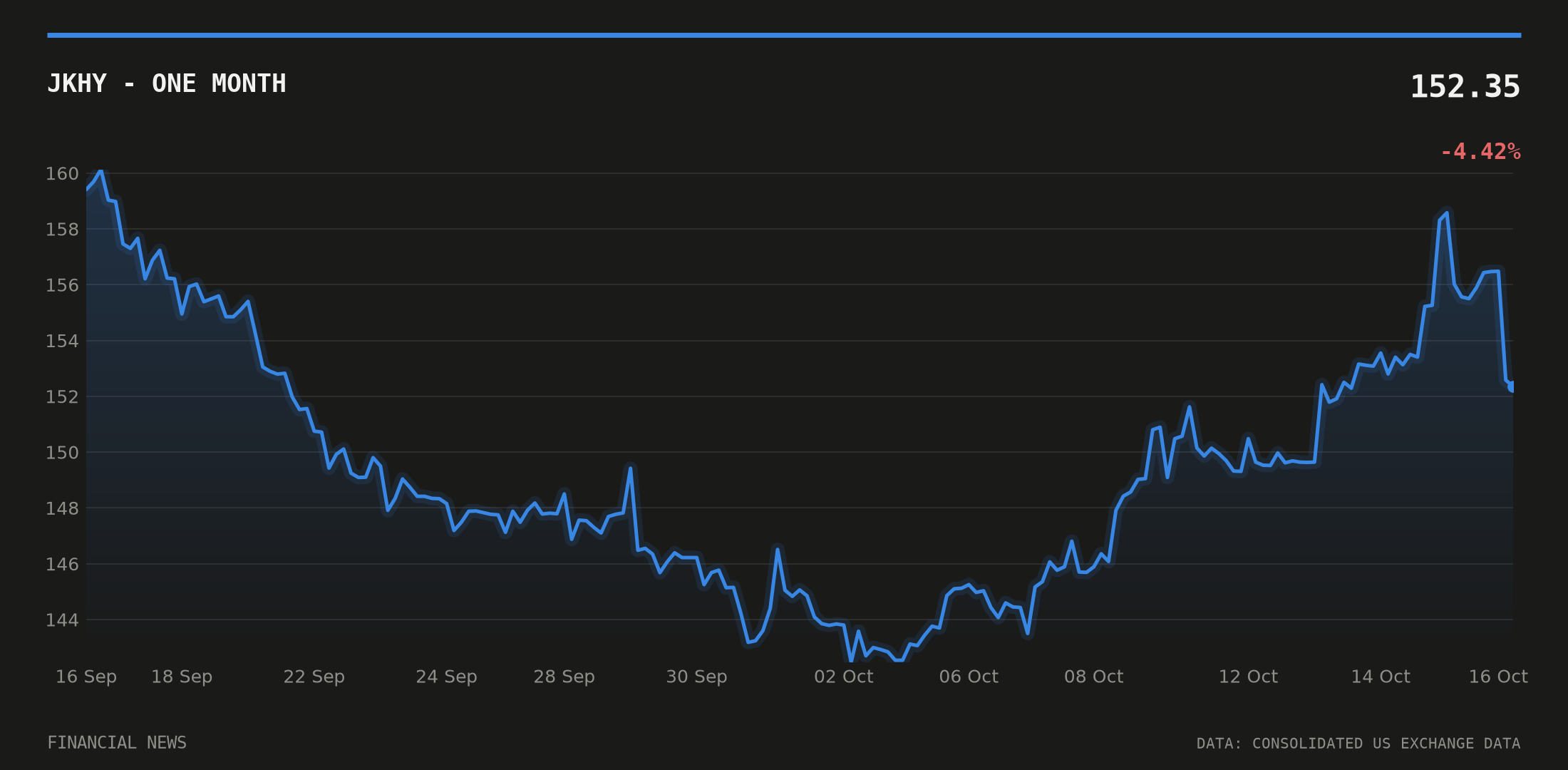
Jack Henry will be the first core banking technology provider to integrate with GCUL, according to a press release issued by the Monett, Missouri-based firm. Shares closed at $152.4675 on the day of the announcement, down 1.99% over 24 hours though still up 3.07% over the prior 20 trading days, according to consolidated exchange data.
What the Jack Henry tokenized deposits deal covers
GCUL is described as a fully managed, distributed ledger service that lets financial institutions tokenize and transfer money and assets on a shared, real-time record, with programmable settlement running around the clock, the release said. Google’s own Universal Ledger documentation describes the API as a managed service for building payment networks and tokenizing assets.
The expansion builds on a relationship the two companies struck in September 2022, when Jack Henry turned to Google Cloud to accelerate a multi-year, cloud-first modernisation of its core banking platform. The partnership has since widened in stages: Jack Henry and Google Cloud also expanded their work this year to deliver AI-driven security tools for banks and credit unions, according to Jack Henry’s investor relations newsroom, a pattern of incremental additions rather than a single overhaul.
First on the ledger, but not first to tokenize deposits
Jack Henry’s own wording is specific: it will be the first core banking technology provider to integrate with GCUL, not the first institution to use it for tokenized value. CME Group was GCUL’s original launch partner, deploying the ledger for tokenized derivatives margin payments, as first reported by Ledger Insights. BMO went further in March 2026, introducing a tokenized cash and deposit platform with CME Group and Google Cloud, according to a BMO newsroom statement dated 24 March 2026.
What is new is the layer beneath those institutions: Jack Henry serves thousands of smaller US banks and credit unions as their core processing vendor, giving GCUL a route into community banking that bypasses the need for each lender to build its own tokenization stack. Ledger Insights has also reported that Google Cloud is hiring senior business-development staff focused on GCUL, consistent with a broader push for tokenized-deposit partners beyond this single deal.
Financial backdrop
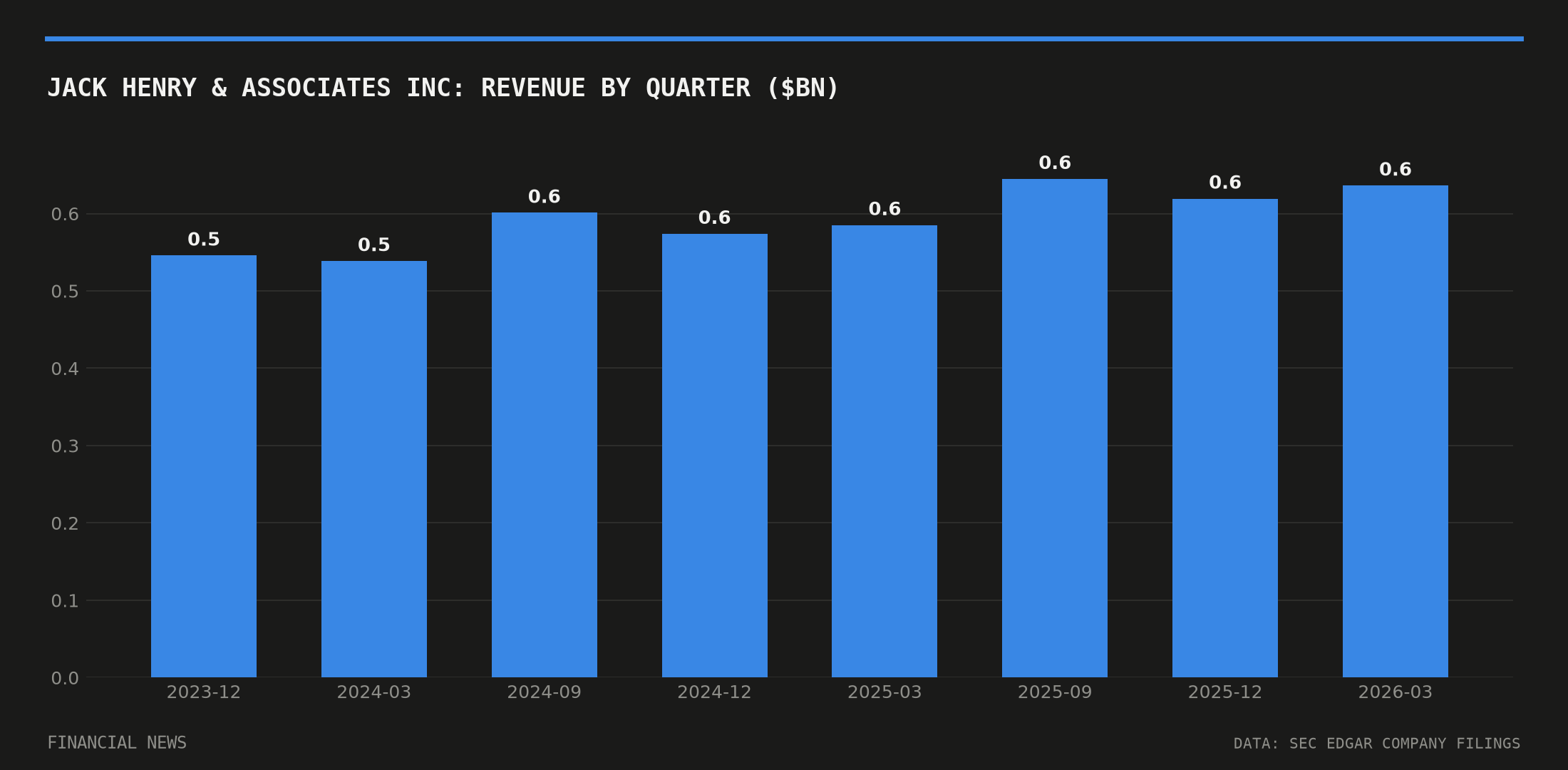
The announcement lands as Jack Henry continues a run of steady, unspectacular quarters. The company reported net income of $122.9m and diluted earnings per share of $1.71 for the quarter ended 31 March 2026, according to its 10-Q filing with the SEC. Revenue for that quarter was $636.2m, continuing a pattern of incremental growth over the past two years of filings.
The wider rate backdrop matters for any deposit-retention push. The 10-year US Treasury yield stood at 5.19% on 14 October 2026, against 4.82% on the 2-year, according to data from the Federal Reserve Bank of St. Louis. With short-term funding costs elevated, banks and credit unions have incentive to keep deposits on their own books rather than see balances migrate toward stablecoins or other yield-bearing digital alternatives — the underlying pressure that tokenized-deposit initiatives like GCUL are designed to address.
What happens next
Neither company has given a timeline for when individual banks or credit unions using Jack Henry’s core platform could begin piloting tokenized deposits on GCUL. Jack Henry’s disclosure did not include financial terms of the expanded agreement. Investors will likely look to Jack Henry’s next quarterly filing, due under its usual reporting cadence, for any update on adoption among its client institutions.
This article is for information only and is not investment advice or a recommendation to buy or sell any asset. Markets move quickly; figures are correct as sourced at the time of writing. Always do your own research before making financial decisions.
