
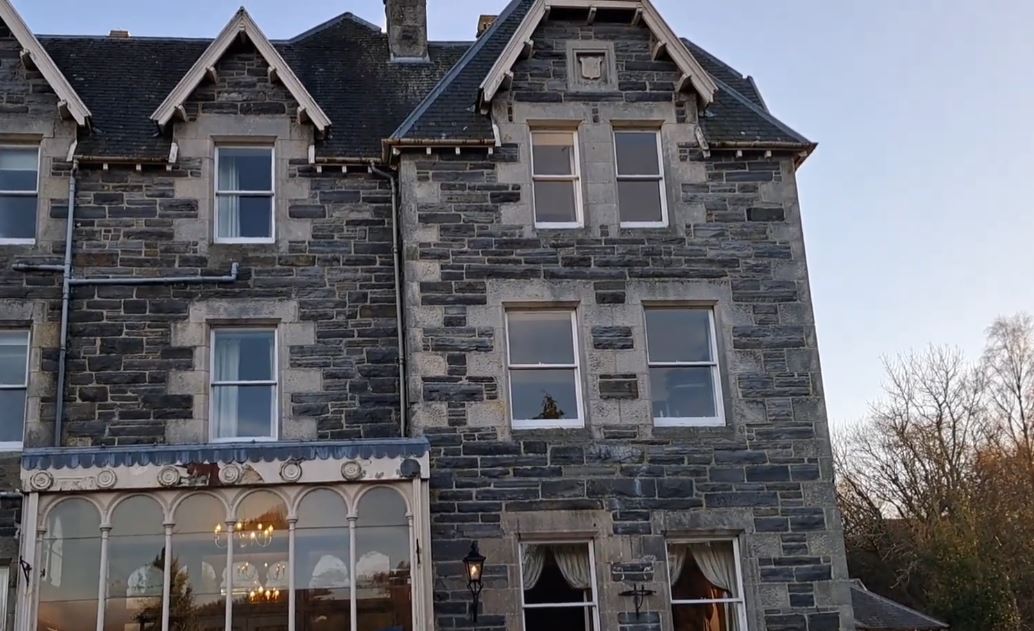

The Ben Wyvis Hotel is located in Strathpeffer, a Victorian spa village in the Scottish Highlands that still exudes a certain carefree, end-of-the-railway-line tranquility. It’s the type of place where you kind of expect people to show up with trunks of luggage. There is a certain amount of history surrounding the hotel, which has 92 rooms. By most accounts, it was not in danger. And for that reason, it is truly difficult to understand what transpired in August 2026.
On August 11, the East Kilbride-based Strathmore Hotels Limited, which owned the Ben Wyvis and seven other hotels in Scotland and England, was put into administration. James Dewar of Interpath Advisory and Alistair McAlinden were named joint administrators. Revenue declines or unsuccessful expansions were not the direct cause. It was a tax dispute, specifically an HMRC claim of about £2.8 million in unpaid VAT that led to a winding-up petition and a series of events that the business was ultimately unable to control.
The financial context makes the situation more difficult to comprehend. The Strathmore Hotels had turned a profit. A profit of £5.6 million on a turnover of £22 million was reported in the 2025 accounts. The group had made about £9.3 million in revenue in the six months prior to the administration. These are not the figures of a company on the verge of failure. These are the figures of a company that was, for the most part, operating. And yet here it was, in administration, with the ownership and future of the Ben Wyvis and its seven siblings suddenly uncertain.
The mechanics of how this happened are important. The only lender to Strathmore was Handelsbanken, which had fixed fees and standard securities for all eight hotels. The bank went to the Court of Session to designate administrators as the holder of a qualifying floating charge when the HMRC dispute worsened and a winding-up petition was filed in July.
They claimed that this decision was made because they wanted to oversee a “controlled insolvency process.” Although the phrase seems almost serene, for those who created and managed this company, it signifies a major loss of control. The total amount of bank debt was £11.1 million. If true, the VAT claim increased the company’s liability, which it didn’t seem to be able to handle well enough to fend off creditors.
The portfolio of the group extended well beyond Strathpeffer. In addition, Strathmore ran the Royal Hotel in Oban, the Alexandra Hotel and Ben Nevis Hotel and Country Club in Fort William, the Nethybridge Hotel near Aviemore, and the Salutation Hotel in Perth, a 17th-century coaching inn that Strathmore claims is Scotland’s oldest known hotel.
In 1745, Bonnie Prince Charlie commandeered a room there. The group was completed in England by the Cumbria Grand Hotel in the Lake District and the Cairn Hotel in Harrogate. Approximately 410 people worked on all eight properties. In any immediate or practical sense, that figure is more important than any debt amount.
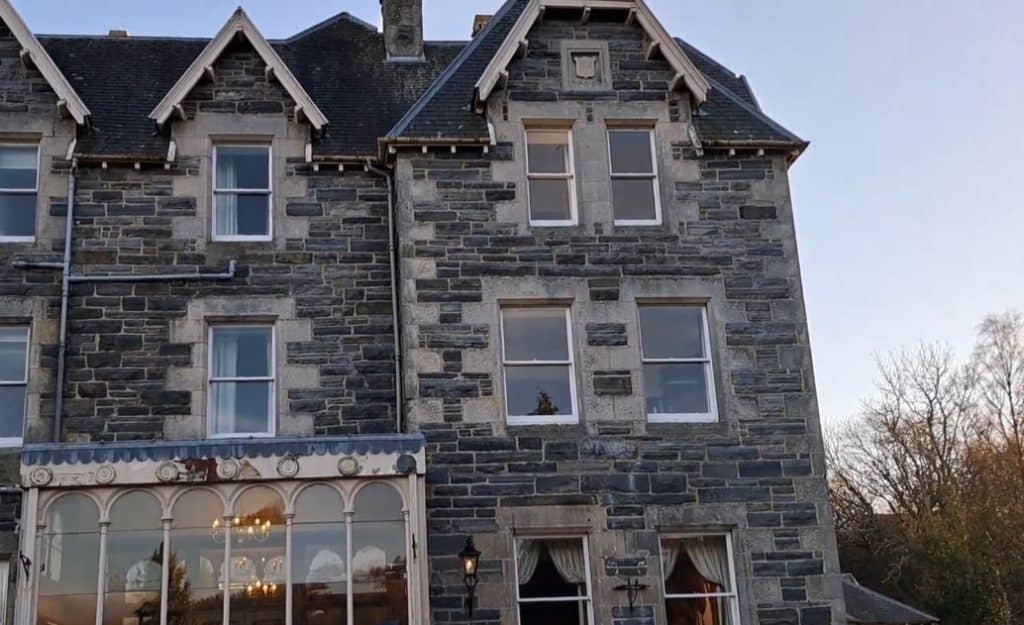
To maintain continuity, the administrators took swift action. Legacy was hired by Interpath as a specialist management agent to oversee the hotels on a daily basis while the sale process proceeded. The Ben Wyvis was listed for £3.65 million, and Christie & Co. were hired as real estate brokers to sell the properties. All eight locations were operating “business as normal” as of late September, with visitors still checking in, employees still working, and reservations still being accepted. Depending on which offers come through, the hotels may be sold separately or as a portfolio. The administrators stated that whatever result best safeguards the remaining value would be the basis for that decision.
There is a sense that this case will be examined for some time in the insolvency and hospitality communities, not because hotel failures are uncommon but rather because the typical narrative is one of losses rather than gains. Theoretically, a group making over £22 million a year shouldn’t be brought down by an ongoing VAT dispute.
It may show how little room for error there is in an industry already juggling growing operating expenses, staffing demands, and changing consumer preferences. Even a profitable company may be unable to take action when a lender determines that the risk profile has changed. The Ben Wyvis Hotel remains operational. However, the question of who will own it next and under what conditions is still unanswered, sitting somewhere in the offices of administrators who are currently in charge of eight pieces of Scottish and English hospitality history.
