
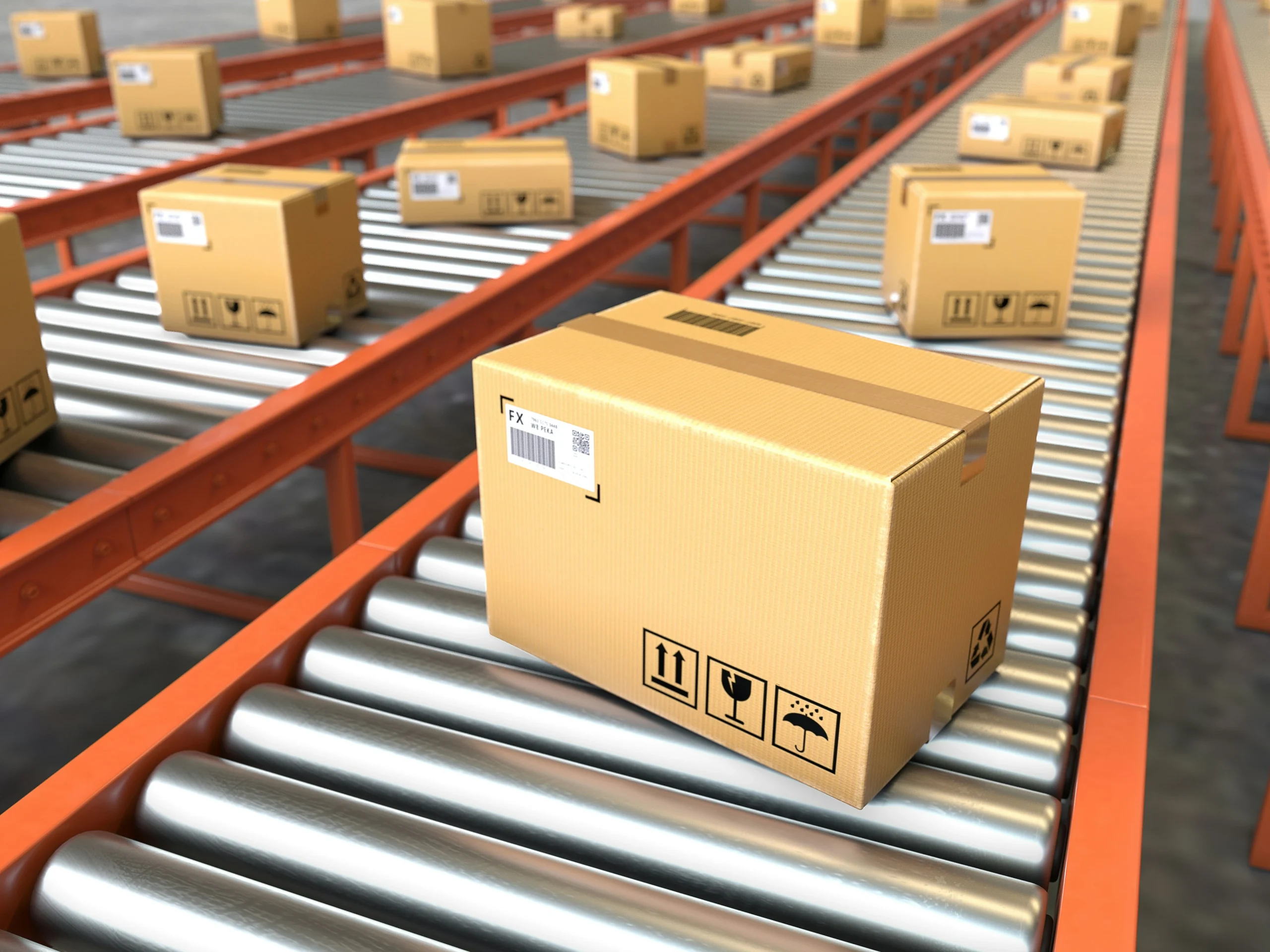

The UK burns through about 95 million cups of coffee a day. A massive chunk of those beans ship directly from Vietnam—the undisputed giant sitting at number two in global exports. “Landing a contract to transport a container of coffee from Vietnam to the UK looked like a solid opportunity for my logistics company at first. Then the rubber met the road. The first problems appeared during the search for coffee suppliers in Vietnam. Basic emails went unanswered, and after receiving an initial reply, communication often dried up altogether,” recalled M.H., director of a UK logistics firm, who requested anonymity due to ongoing commercial relationships.
After hearing similar accounts from multiple exporters, I quickly realised something nobody had mentioned beforehand. When you start sourcing coffee from Vietnam, it is not about how large your order is. On-the-ground relationships often prove more valuable than purchase volume when approaching Tier-1 exporters.
The Non-Negotiable Baseline of Vietnamese Coffee Sourcing
“But the real headache was just getting started,” M.H. recalled. “Simple discussions became slower than they should have been because the coffee industry was something new to me. I knew how to negotiate shipping, but I could not hold a meaningful conversation about coffee. Suppliers kept asking whether I wanted Robusta or Arabica, and I quickly learned that Vietnam’s industry revolves around Robusta.”
Storage is another part of the equation. Green coffee beans typically have a shelf life of up to twelve months, but roasted batches are a different story, going stale in just three to six months. Some coffee traders offer packaged solutions for roasted coffee, and you can even find processed instant coffee solutions. Those basics make conversations with suppliers much easier.
Web Browser is Your Most Dangerous Procurement Tool
Unfortunately, supplier communication problems were only the beginning. Another problem was equally unexpected. According to exporters and sourcing specialists I spoke with, some coffee exporters here are struggling to keep pace with changing origin standards. Based on my reporting, some operators were doing things completely backward. They are frantically chasing volume over compliance just to ride the global demand wave. If you’re dealing with unfamiliar suppliers, you’ll likely find they’re trying to sell you a pig in a poke by overpromising on volume or playing fast and loose with product grades.
Samples do not always reflect the coffee that eventually arrives in the container. In one case, a sample consisted of uniform beans while the shipment contained a noticeably mixed grade. If you think an online profile and a pristine sample guarantee your shipment, you’re in for a brutal financial wake-up call. Based on interviews conducted for this article, the moment that container turns up with off-spec beans, you’re the one holding the bill. Yet, new buyers make this exact miscalculation on almost every single run.
Coffee Contracts Look Better on Paper Than in Practice
Those early experiences prompted me to ask people who had already spent years exporting coffee from Vietnam. I spoke with friends at Vietnamia, who have been helping companies source OEM coffee from Vietnam since 2016, and what they shared made one thing clear. Their experience suggested the paperwork often creates a false sense of security. Long-term contracts often look reassuring on paper because suppliers are usually happy to sign them. That said, a signed deal doesn’t mean much until the container doors open. When prices spike, suppliers routinely cut corners on whatever terms you thought you agreed to. The same applies to agreeing on FOB or CIF shipping terms. While they assign logistical risk, they cannot enforce performance when a counterparty decides to rewrite the rules.
It’s incredibly easy for a seemingly secure contract to sour into a long-running dispute; on the ground, the consensus among smart operators is that you only secure long-term supply chain loyalty through a continuous string of small, successful short-term deals. Based on the experiences of many importers and exporters, the practical value of a contract in Vietnam is often viewed differently from how it is in the UK. When coffee prices skyrocket, existing contracts don’t mean much anymore. The temptation to renegotiate is just too high. Some suppliers try to move the goalposts or simply turn their backs on the originally agreed price.
The Risk of Buying Coffee From Vietnam Without Factory Verification
Perhaps the most difficult issue to detect comes after production begins. Among the many other surprises, you also need to be aware that when a supplier is unable to provide a specific type of coffee as originally agreed, they may quietly substitute the missing quantity with an “almost identical” coffee in order to fulfil the order and keep the contract. This does not happen every time, but it is a risk when you choose a Vietnam coffee supplier purely through an online search without carrying out a proper factory visit or supplier verification.
Online searches alone should never be the foundation of your trust when you order coffee from Vietnam or begin sourcing coffee from Vietnam, especially if you are new to importing. Knowing what I know now about navigating Vietnamese coffee contracts, my entire approach to sourcing suppliers back then looks incredibly naive. Naively expensive, to be exact. It’s a brutal learning curve that plenty of new UK buyers are blindly repeating right now.
The Real Supply-Chain Bottleneck Had Nothing to Do with Shipping Lanes
Thinking you could safely vet and secure local suppliers entirely from your laptop screen is a regular mistake. My research completely changed how I approached sourcing from Vietnam. What surprised me most was that freight forwarding became the easy part. The further I looked into the coffee trade, the more I realised logistics was only the final stage of a much larger sourcing challenge. In the end, containers were never the biggest challenge. Choosing the right supplier was. To move things forward in Vietnam, you need to start by building relationships. You cannot simply find a supplier on the first page of Google and expect to manage everything by email. The alternative is a massive time sink. You’ll spend weeks doing basic administrative chase-ups just to get a quote, completely missing the window for actual price negotiations.
