
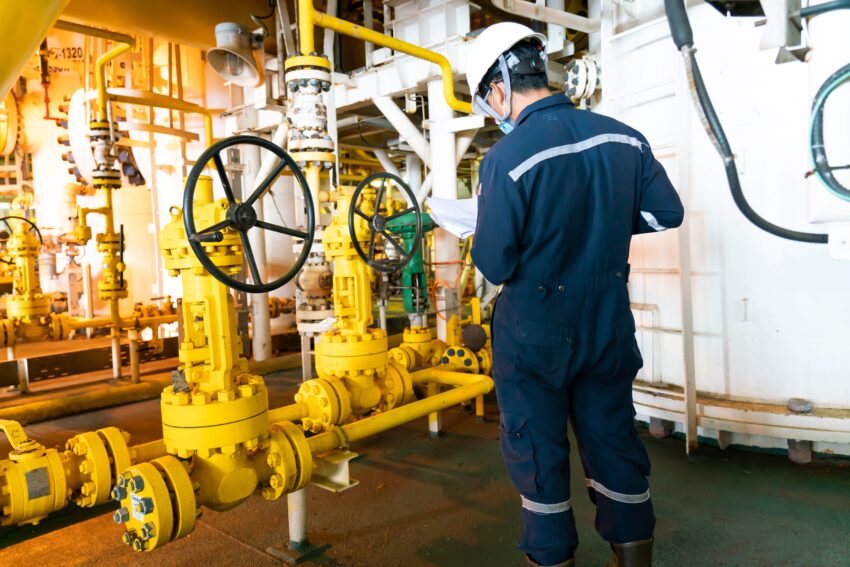

The UK’s business climate is facing heightened uncertainty as discussions continue over potential energy tax increases. Concerns centre around the proposed Energy Profits Levy hike, prompting fears over its economic impact.
As industry leaders and economists weigh in, the implications of these tax adjustments are stirring significant debate, with potential repercussions for investment, jobs, and growth.
Government’s Tax Strategy and Industry Response
The UK government’s proposal to increase the Energy Profits Levy (EPL) from 35% to 38% has sparked significant concerns within the oil and gas industry. This levy, part of a broader tax strategy, targets profits from these sectors, which already face a 30% corporation tax and an additional 10% supplementary charge, culminating in a total tax rate of 78% on profits as of November.
Industry body Offshore Energies UK (OEUK) has voiced concerns that this tax increase could hamper economic growth, countering the government’s priorities. Their analysis estimates that although the tax hike may generate £2 billion in the short term, it could precipitate a £12 billion loss in total tax revenue. OEUK warns of a drastic reduction in investments, projecting a fall from £14 billion to £2 billion by 2029, severely impacting employment in the sector.
Economic Implications of Tax Extensions
The proposed extension of the EPL to 2030 and adjustments to investment allowances have been met with resistance. These investment allowances have traditionally allowed companies to offset taxes through investments, particularly in North Sea projects. OEUK argues that the diminished investment would, in turn, compromise future economic growth—a priority anyone closely following the government’s agenda would consider central.
OEUK Chief Executive, David Whitehouse, criticised the measures, highlighting the potential negative impact on the industry’s contribution to the economy. ‘This is a government that has made economic growth its main priority, yet our analysis shows that its policy will ultimately reduce this sector’s contribution to the UK economy,’ he stated. The EPL, first introduced as a temporary measure in May 2022, was meant to address rising oil and gas prices.
Impact on Business Confidence
The spectre of increased taxes and austere regulation is casting a shadow over business confidence in the UK. According to Anna Leach, Chief Economist at the Institute of Directors (IoD), there is a notable decrease in business optimism, reflecting concerns over imminent policy changes.
The decline is corroborated by the IoD’s Directors’ Economic Confidence Index, which dropped sharply in August after reaching a three-year peak in July. This decline indicates a severe reduction in investment intentions, marking the most significant decrease since the COVID-19 pandemic began.
Leach urged that ‘the government should take time to get policy design right for the long-term, and deliver the stable tax and policy framework needed to drive business confidence and investment.’
Private Sector Growth Outlook
Private sector firms have set modest expectations for growth in the upcoming months, as shown by the CBI Growth Indicator survey. The survey highlights an anticipated slight increase in economic activity up to November, despite current challenges.
Alpesh Paleja, CBI’s Interim Deputy Chief Economist, has described the situation as ‘very mixed.’ While some sectors are expecting growth, others, notably consumer-facing businesses and manufacturing, continue to experience sluggish performance.
There is a strong call for policy measures such as business rates reform and a transparent business tax roadmap to stimulate investment and facilitate a return to long-term growth. Paleja asserts that ‘reducing costs, along with clear business tax policies, can support sustainable growth, aligning with government promises.’
Calls for Policy Reassessment
As the UK braces for its 30 October Budget, there is growing pressure on the government to reassess the proposed tax adjustments. Stakeholders are advocating for reforms to reduce financial burdens on businesses, to ensure continued investment.
Treasury officials maintain that dialogues with the oil and gas sector will continue, ensuring a responsible transition. They believe that initiatives such as the National Wealth Fund and Great British Energy will create job opportunities and foster innovation across industries.
The overarching sentiment from various industry leaders is clear: the government must balance its short-term fiscal needs with long-term economic stability, ensuring that tax policies do not inadvertently stifle growth.
Sector-Specific Concerns
Different sectors face unique challenges in light of proposed tax changes. The oil and gas industry, in particular, is concerned about the long-term impact of tax extensions on their operations and workforce.
The government’s emphasis on future-oriented sectors, such as renewable energy, is apparent. However, many in the oil and gas sector argue that these tax policies could undermine existing infrastructure investments.
The importance of maintaining economic contribution from all sectors while transitioning to more sustainable energy sources remains a key point of contention. The debate continues over how best to balance these imperatives without jeopardising economic stability.
Future Prospects and Uncertainties
With the UK’s economic future hanging in the balance, the government’s approach to tax reforms is under intense scrutiny. How these reforms are enacted will profoundly shape business landscapes across sectors.
Navigating these taxing challenges requires careful policy crafting and an understanding of the balance between revenue needs and economic growth. The path forward hinges on constructive dialogue.

