

Since 2021, Missouri has been gradually increasing its motor fuel tax. Over the course of five years, the rate has increased from 17 cents to 29.5 cents per gallon, with an annual increase of 2.5 cents. Over the program’s duration, the additional revenue—roughly $1.8 billion—is designated for state-wide bridge and road repairs. Most people have noticed that part. Many people are unaware that the state also included a refund mechanism that enables regular drivers to recoup the portion of the tax that was increased. 12.5 cents per gallon at most. on each gallon that qualifies that is bought between July 1, 2025, and June 30, 2026.
Each year, the filing window, which covers purchases from the prior fiscal year, runs from July 1 to September 30. Drivers must submit Form 4923-H to the Missouri Department of Revenue via mail or online via the state’s MyTax Missouri portal in order to be eligible for the refund. The name and physical address of the gas station, the date of each purchase, the precise gallon count to three decimal places, and the Vehicle Identification Number for each eligible vehicle are all required on the form. Only cars weighing 26,000 pounds or less that are driven on public roads are qualified. For non-highway fuel use, tractors, ATVs, and lawn equipment are covered by a different form, 4923.
According to Missouri’s Director of Revenue, the average refund in 2025 was approximately $162.74. That is not insignificant. $162 is a significant check for many working families in a state where fuel prices have remained stubbornly high and people drive long distances. However, only about 15,000 of Missouri’s more than four million registered drivers applied for the refund in 2022, the program’s first full year of operation. That figure had decreased to roughly 10,820 by the next year. In 2024, it slowly increased to 11,801. Every year, the percentage of eligible drivers who participate is well under one percent.
It’s difficult to look at those figures without wondering what’s going on. The reimbursement is authentic. It was established by the state expressly to lessen the impact of the tax increase on individual drivers. At least conceptually, the procedure isn’t particularly difficult. However, most people have either never heard of it or have heard of it but decided the paperwork wasn’t worth the time, somewhere between the intention and the execution. For various individuals, both explanations are likely to be true in varying degrees. The primary source of friction is the program’s documentation requirement, which calls for receipts and precise purchase-by-purchase records—a level of detail that most people don’t typically keep when they stop for gas on a Tuesday morning.
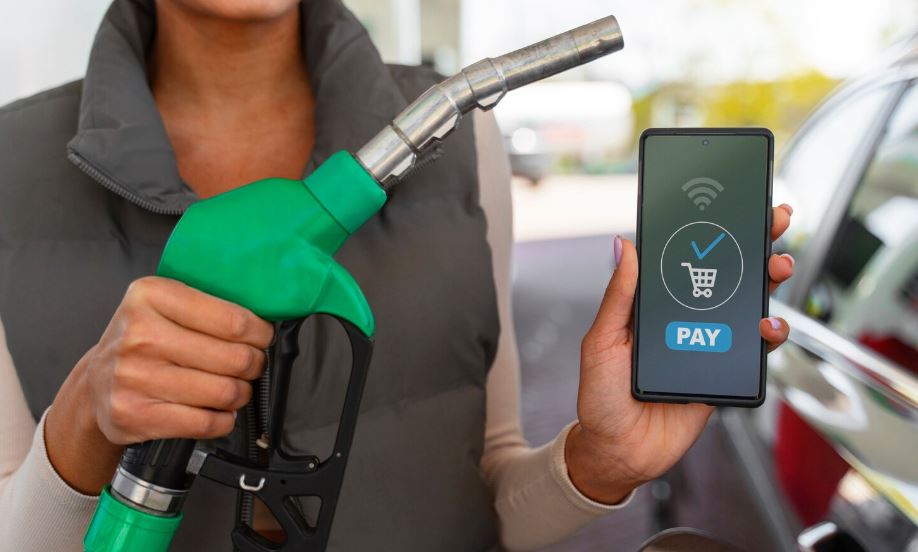
There are apps made especially to assist. One, MO Gas Tax Back, takes care of most of the data entry and allows users to take pictures of their fuel receipts. It is free, has a high rating on the app store, and was obviously designed to address the exact issue that the program has faced from the beginning: the discrepancy between a money-back guaranty that appears on paper and a refund that actually finds its way into a user’s bank account. It’s still unclear if people use those kinds of tools frequently enough to significantly increase participation.
The Missouri program is intriguing—and perhaps a little annoying—because it illustrates a larger trend in the administration of public benefits. The government established a system to reimburse payers for their money. The mechanism works. The data is accessible to the general public. Every year, the vast majority of eligible residents either ignore it or are unaware of it. That statistic raises a legitimate policy question about how programs are communicated and whether the process’s design subtly deters the people it was intended to assist.
Before the September 30 deadline, anyone in Missouri who has a personal or light commercial vehicle and has kept fuel receipts from the previous fiscal year should consider the program. The Missouri Department of Revenue’s website offers the form. No one’s financial situation will be completely altered by the refund. However, the state has established a procedure to return the money that was paid. The window simply doesn’t remain open for very long.
