
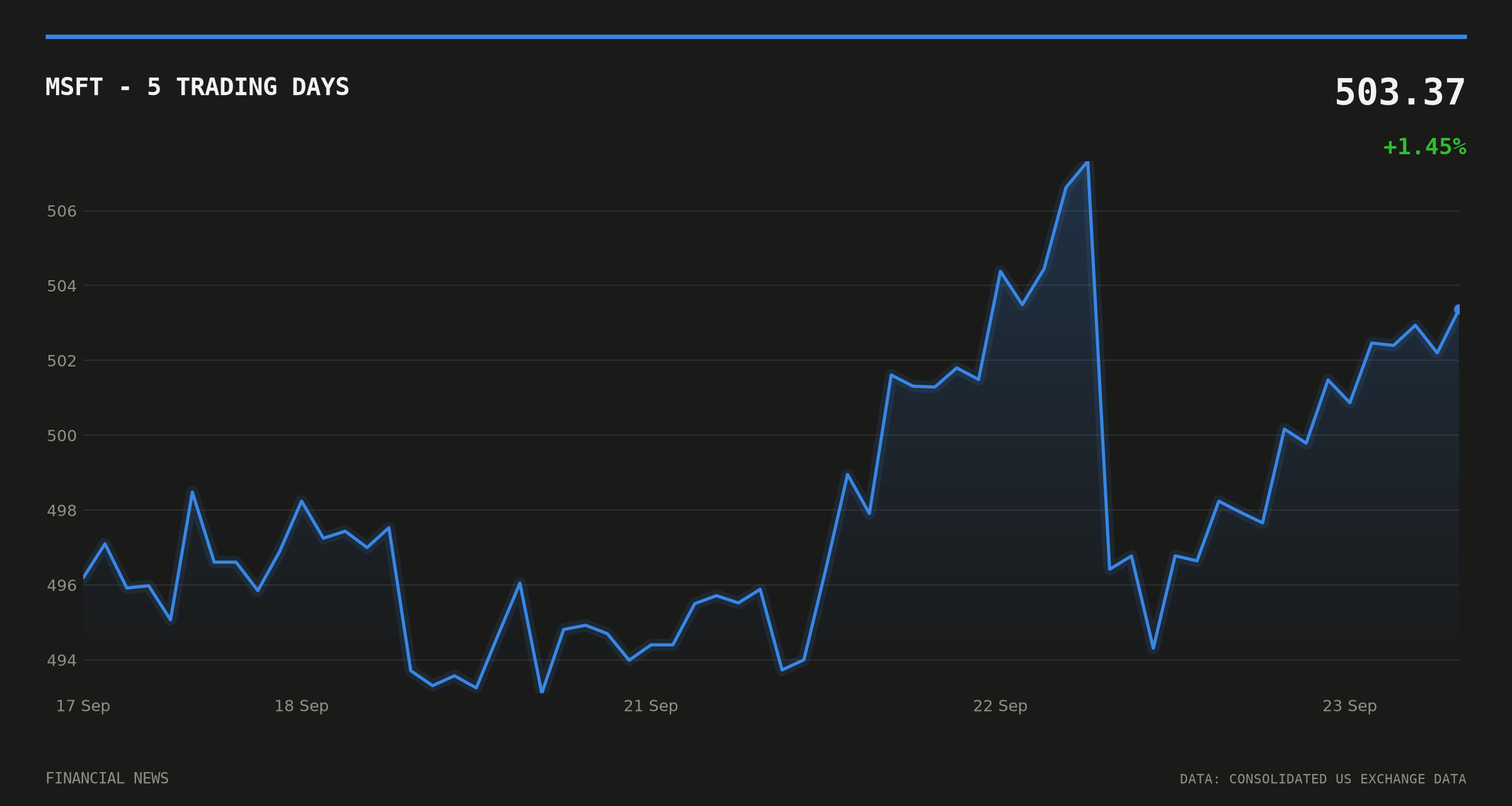

Microsoft (NASDAQ: MSFT) has agreed to preserve shareholder proposal rights through next year’s annual meeting, even as US regulators move to strip back federal oversight of such votes. The agreement, struck with conservative activist Paul Chesser, was first reported by Reuters on 22 September 2026.
Under the deal, Microsoft will keep its existing eligibility thresholds for investors submitting resolutions through its annual meeting on 8 December 2026, rather than tightening them. That commitment runs into Microsoft’s 2027 proxy cycle, which is why coverage of the agreement frames it as extending “through 2027” despite the vote itself falling in December.
SEC proposes scrapping decades-old rule
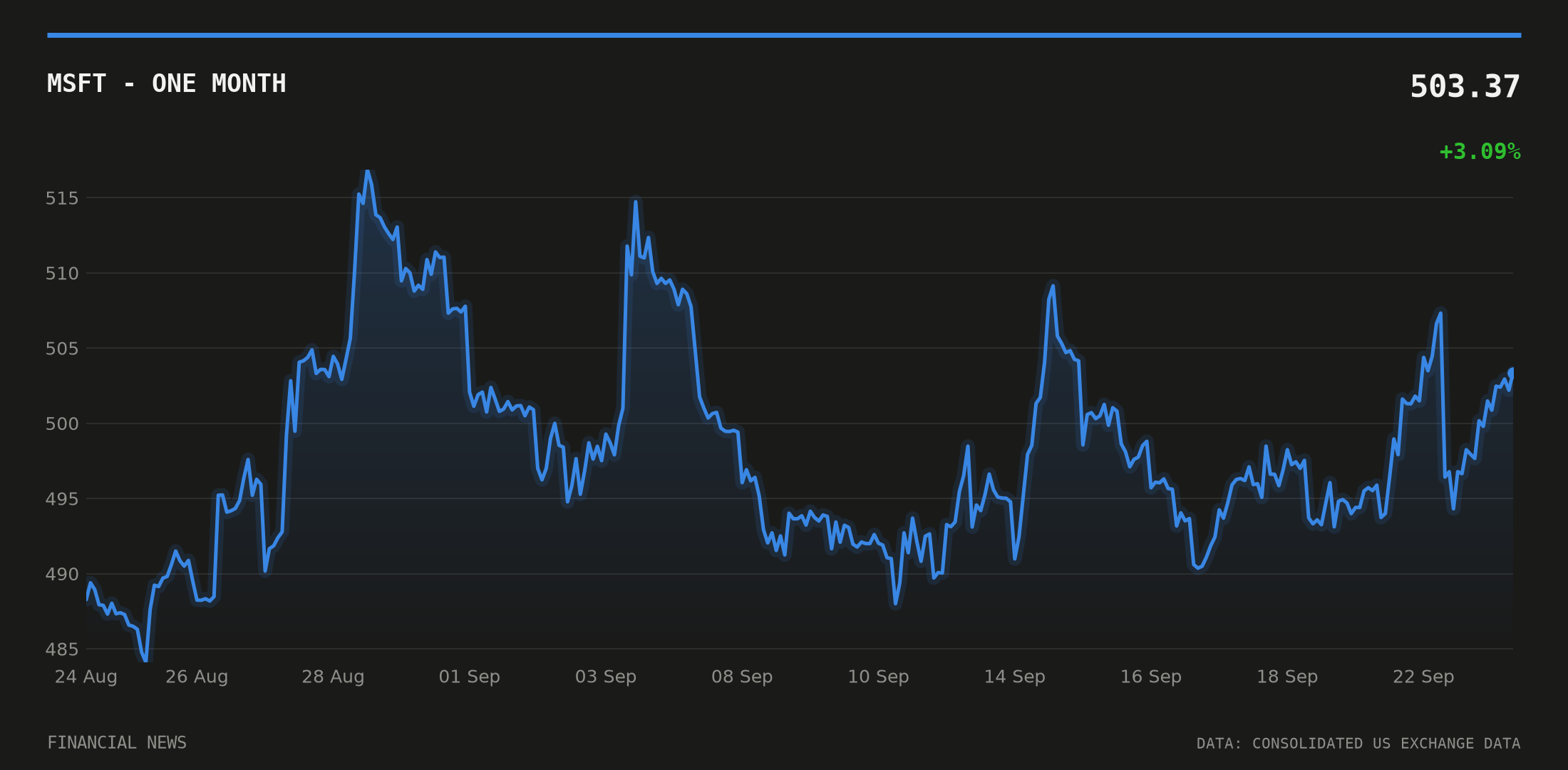
The timing matters. The US Securities and Exchange Commission proposed on 16 September 2026 to rescind Rule 14a-8, the federal rule that has governed the shareholder-proposal process for more than 80 years, according to an SEC newsroom statement. The change would shift authority over which resolutions reach a ballot from federal rule to state law and company governing documents.
SEC chairman Paul Atkins said the proposal reflects two priorities: avoiding federal intrusion into state corporate law, and modernising proxy rules for current market practice, according to a statement posted on the SEC’s website. The rescission package also includes amending Rule 14a-4(c) to widen companies’ discretion to vote on proposals not included in their own proxy materials, according to a client alert from law firm Goodwin Procter.
Critics argue the changes hand more power to corporate management at investors’ expense. New York State Comptroller Thomas DiNapoli said the proposal would let “corporate management shield themselves from accountability”, as reported by the Arkansas Democrat-Gazette via Reuters wire copy. The SEC’s public comment period runs 60 days after the proposal’s publication in the Federal Register.
Activist withdrew his own resolution
Chesser, director of the Corporate Integrity Project at the National Legal and Policy Center, withdrew a pending shareholder proposal at Microsoft in exchange for the written commitment, according to the National Legal and Policy Center, which independently confirmed the arrangement first reported by Reuters. Chesser said: ‘Microsoft put in writing that the smallest long-term owners of the company will still have a way to be heard next year, no matter what the SEC does.’
The National Legal and Policy Center is a conservative shareholder-activism group that submits between 20 and 25 proposals annually to major US corporations, distinct from the similarly named National Center for Public Policy Research, according to an interview the group gave to Governance Intelligence.
A similar dynamic is playing out at Procter & Gamble. NLPC has a “Preservation of Shareholder Proposal Access Rights” resolution on P&G’s ballot for its annual meeting on 13 October 2026, but P&G’s board has recommended shareholders vote against it, calling the measure premature, according to NLPC’s own proxy materials.
Wider governance and market backdrop
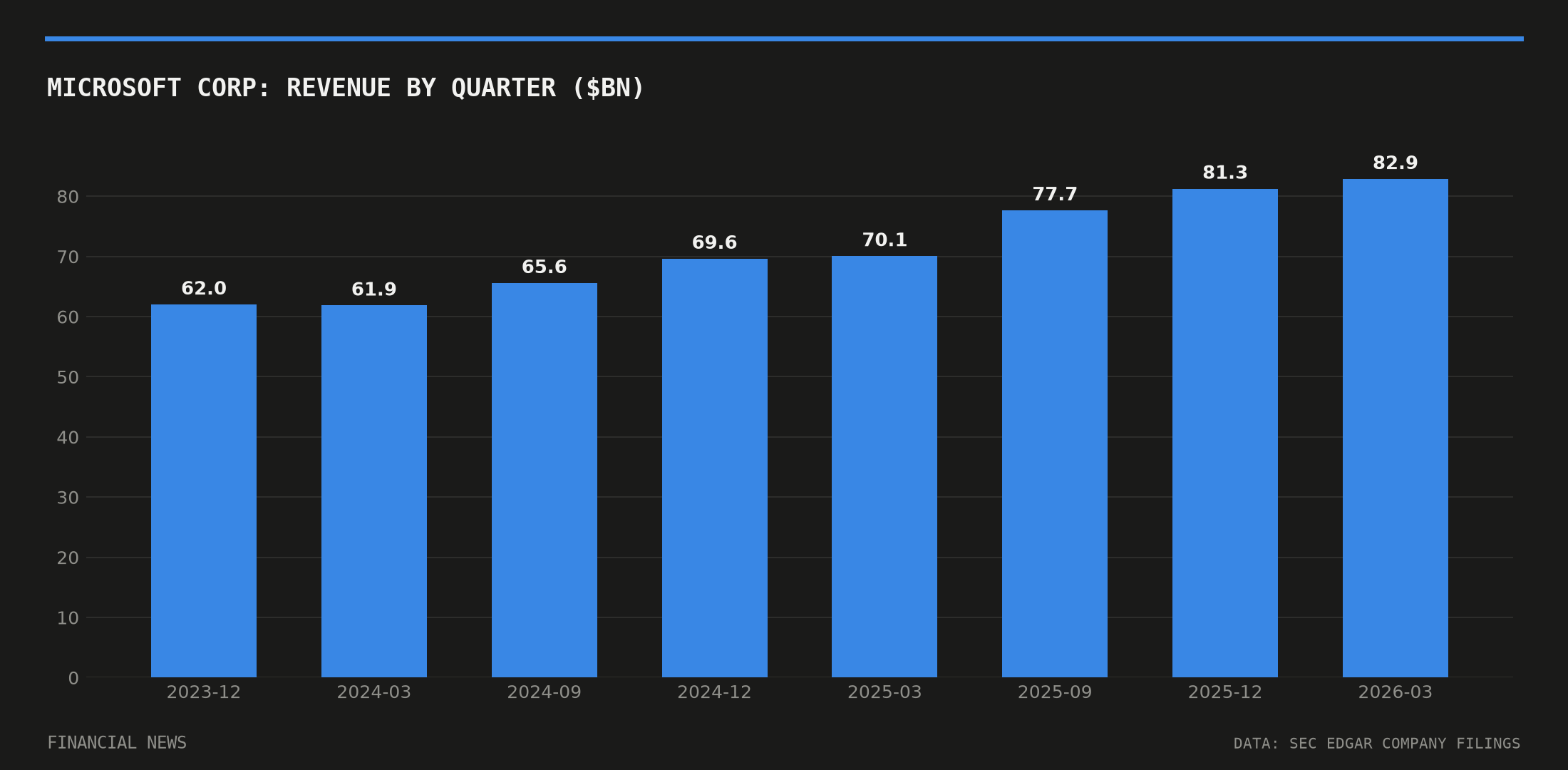
Microsoft’s commitment lands against a period of stronger quarterly results. The company reported net income of $38.46bn on revenue of $81.27bn for the quarter ended 31 December 2025, up from $27.75bn in net income on $77.67bn of revenue three months earlier, according to its 10-Q filing with the SEC. Diluted earnings per share climbed to $5.16 in that quarter from $3.72 previously, before easing to $4.27 in the quarter ended 31 March 2026, per Microsoft’s subsequent quarterly filing. Revenue has risen every quarter since late 2023, when Microsoft reported $62.02bn for the three months to December that year.
Daily short-sale volume in Microsoft shares has stayed muted through the episode, with FINRA data showing a short-volume ratio ranging between roughly 0.31 and 0.50 across trading sessions from 9 to 22 September 2026, little changed from levels before the SEC’s proposal, according to FINRA’s short sale volume data. That suggests the governance dispute has not, so far, shifted positioning in the stock.
The broader rates backdrop remains steady: the 10-year US Treasury yield stood at 4.96% on 21 September 2026, against 4.76% on the two-year, according to Federal Reserve data, keeping the yield curve mildly positive at 0.25 percentage points.
Attention now turns to whether other large-cap companies follow Microsoft’s approach of negotiating bespoke, one-year commitments with activists rather than waiting for the SEC’s rule change to take formal effect. P&G’s board vote on 13 October and the close of the SEC’s comment window will offer the next markers of how far that pattern spreads.
This article is for information only and is not investment advice or a recommendation to buy or sell any asset. Markets move quickly; figures are correct as sourced at the time of writing. Always do your own research before making financial decisions.
