
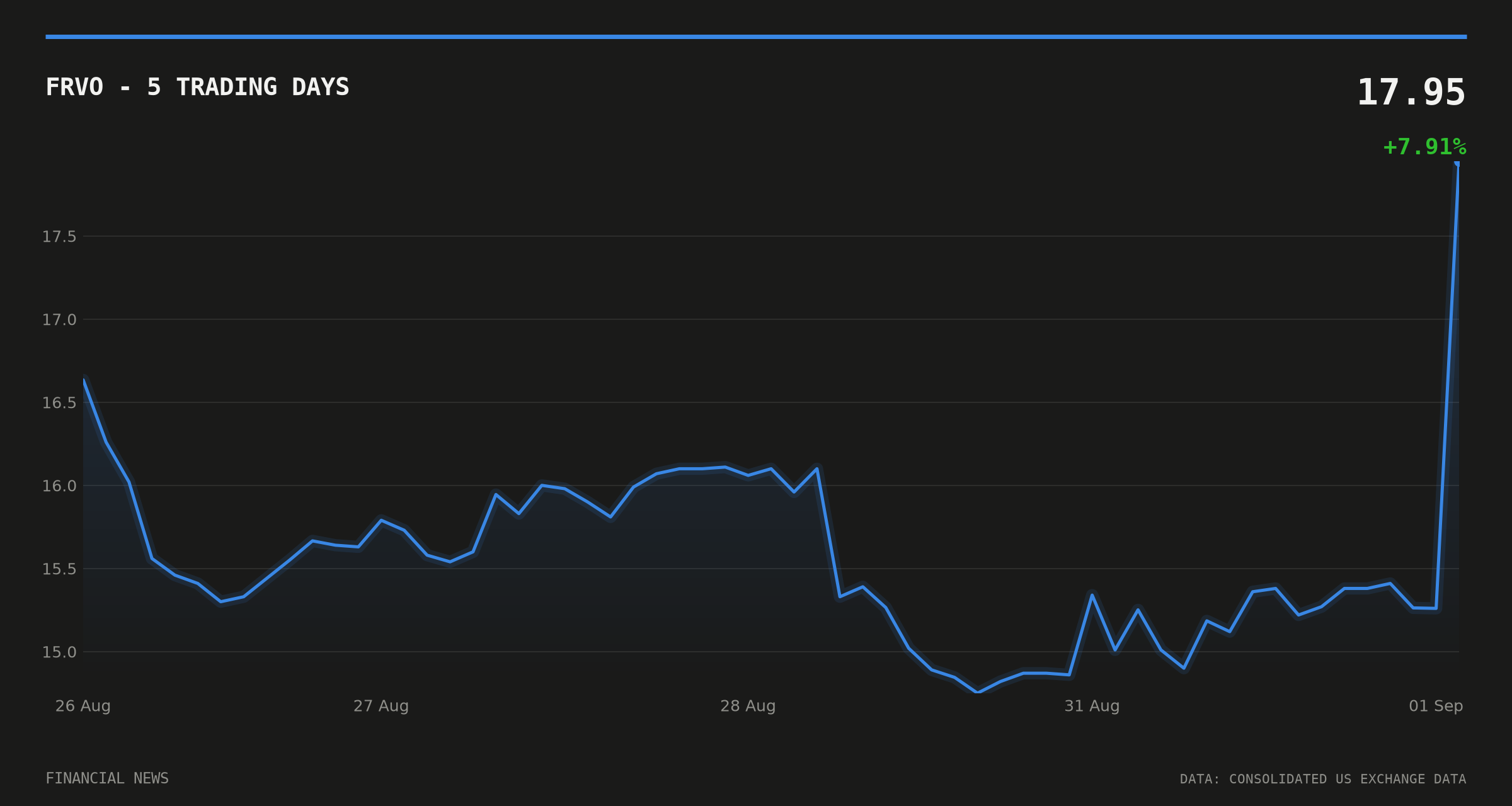

Fervo Energy (NASDAQ: FRVO) has agreed what it describes as its largest-ever geothermal power deal with Google (NASDAQ: GOOGL), the Wall Street Journal reported on 1 September 2026.
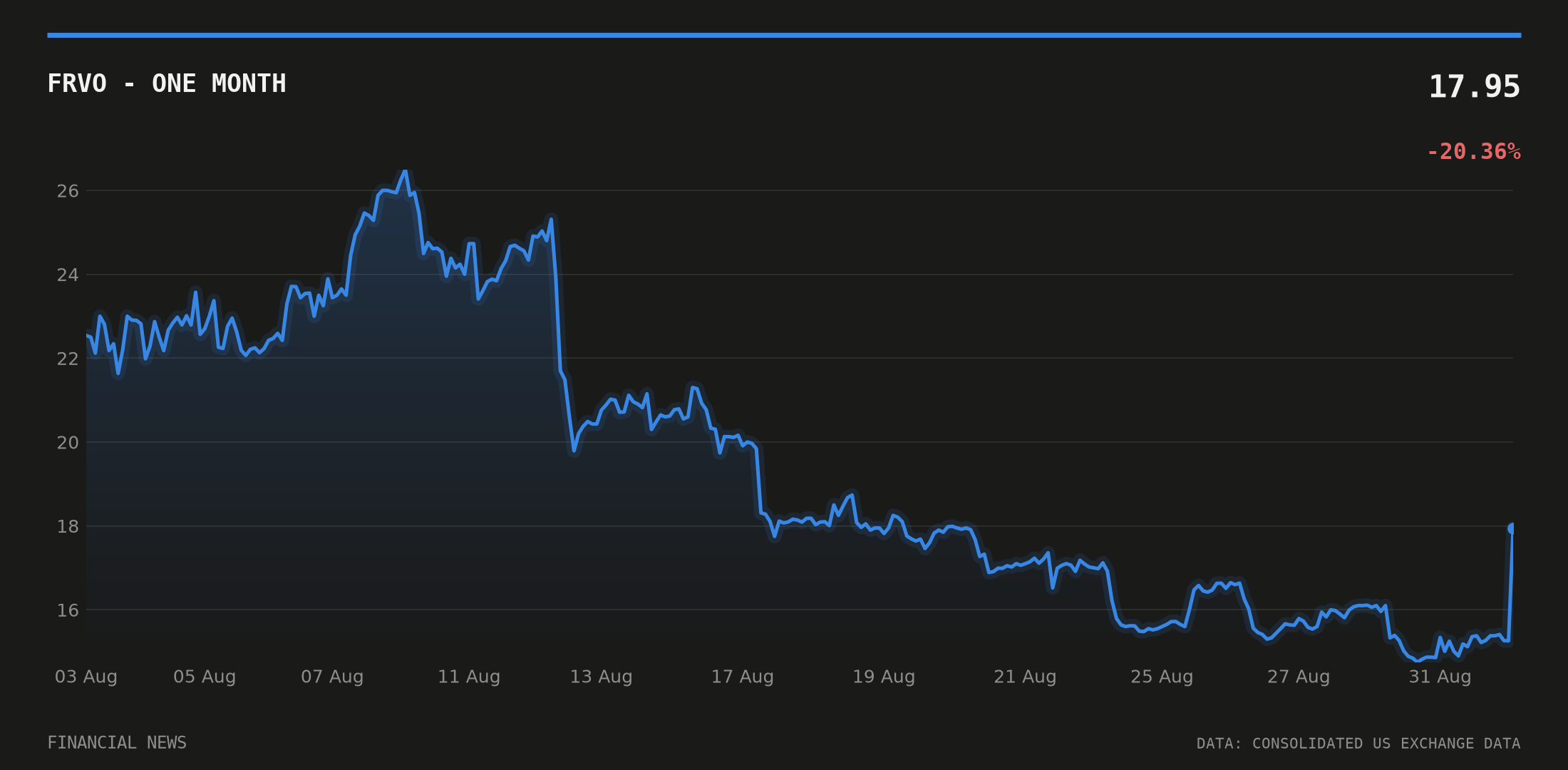
FRVO shares rose 20.7% to $18.37, according to consolidated US exchange data, after a slide of nearly 26% over the prior 20 trading days.
A deal built on an escalating relationship
The Journal’s report, syndicated by Benzinga and Yahoo Finance, did not disclose contract value, megawatt capacity or duration. Neither outlet independently verified the “largest-ever” claim beyond citing the original Journal story.
Google’s relationship with Fervo has grown steadily. A 2023 pilot plant delivered roughly 3.5 megawatts before Google, via Nevada utility NV Energy, agreed to take 115 megawatts of geothermal power from Fervo. Fervo’s Cape Station project in Utah is designed to reach 400 megawatts of round-the-clock output in 2026, scaling toward full commercial capacity by 2028. Any new agreement billed as record-setting would need to clear that bar, though the terms disclosed so far do not allow a direct comparison.
Google has backed Fervo beyond power contracts. It led a $462m funding round in the company alongside CalSTRS and other investors before Fervo’s stock market listing. Fervo also has other customers: it separately signed 320 megawatts of power purchase agreements with Southern California Edison, spreading its book beyond a single buyer.
Financials lag the deal flow
Fervo remains largely pre-revenue. The company reported quarterly revenue of just $61,000 in the first quarter of 2026 and $113,000 in the second, according to filings with the SEC.
Losses have widened over the same period. Net loss reached $31.83m in the first quarter of 2026 and $55.915m in the second, the filings show. Diluted loss per share moved from $3.72 to $0.38 across the two periods, reflecting a change in share count following Fervo’s stock market listing.
That listing, in May 2026, raised roughly $1.89bn at $27 a share, marking the largest energy or utility initial public offering since 2013 and valuing the company near $10bn, according to DataCenterDynamics. Shares popped 33% on their debut, driven by investor appetite for reliable power sources tied to AI data-centre demand.
Positioning and the Alphabet filing
An Alphabet Inc. insider, Frances Arnold, filed a Form 4 with the SEC on 31 August 2026, the day before the deal story broke. The filing discloses no share count or transaction value, so it cannot be tied concretely to the Google agreement.
Short interest in FRVO eased into the announcement. FINRA daily short-sale data show the stock’s short-volume ratio fell from 0.788 on 28 August to 0.549 on 31 August, alongside a rise in trading volume to 1.62 times its 20-day average.
The macro backdrop for capital-intensive power projects has turned less favourable. The 10-year US Treasury yield stood at 4.73% on 28 August 2026, up from 4.67%, according to Federal Reserve Bank of St Louis data, raising financing costs for developers like Fervo that depend on long-dated capital to build out projects such as Cape Station.
What the numbers still don’t show
Investors have rewarded Fervo’s deal-making even as its income statement shows a company still in early build-out. The 20.7% share-price jump follows a month in which the stock had fallen nearly 26%, underlining how sensitive the shares remain to headline contract news.
Fervo’s next quarterly filing, due after the third quarter of 2026, would show whether revenue begins to reflect the deal-making pace, or whether the gap between contracted capacity and reported income keeps widening alongside the losses.
This article is for information only and is not investment advice or a recommendation to buy or sell any asset. Markets move quickly; figures are correct as sourced at the time of writing. Always do your own research before making financial decisions.
