

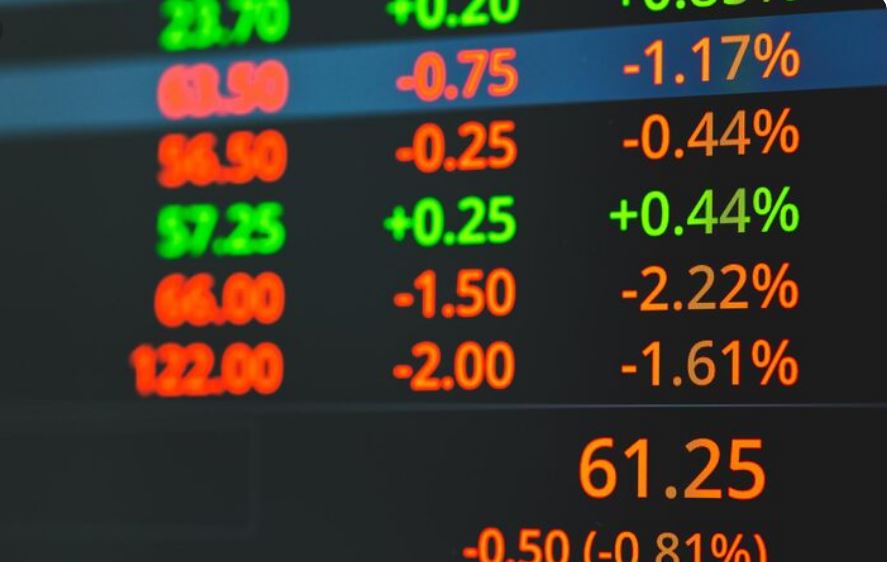
Grayscale’s Bitcoin Trust has an almost historical feel to it. When it first launched in September 2013, Bitcoin was still mostly a novelty and was only discussed in specialized online forums rather than boardrooms. For many years, institutional money’s main method of interacting with Bitcoin without actually holding it was through GBTC. In a category that hardly existed, the fund stood alone. Then fees became important, the calculus changed, and the category became crowded. In a 52-week range that spans from $44.98 at the bottom to $91.01 at the top, GBTC stock is currently trading at about $63.53 on NYSE Arca. A portion of the story is revealed by that spread alone.
It is worthwhile to take a moment to consider the one-year return figures. Over the past year, GBTC has decreased by about 27%, while the category average has decreased by about 31%. Therefore, compared to its peers in digital assets, it has fared somewhat better.
A fund that peaked around $91 and is currently trading in the low $60s represents a significant loss for anyone who purchased near the highs, but the overall picture is more difficult to smooth over. Concerns about inflation, high Treasury yields, and two weeks in a row of ETF withdrawals as of mid-October have all contributed to Bitcoin’s recent volatility. By design, GBTC moves with Bitcoin. Nothing else is stored in it.
The most obvious aspect of GBTC and the main source of ongoing conflict with investors is its design. The trust charges an annual management fee of 1.50% in exchange for holding Bitcoin and tracking the CoinDesk Bitcoin Price index. That fee was the price of entry when GBTC was the only game available. It has been more difficult to defend since January 2024, when spot Bitcoin ETFs from BlackRock, Fidelity, and ARK 21Shares entered the market at fees ranging from 0.12% to 0.25%.
Inflows into Fidelity’s WISE Origin Bitcoin Fund and BlackRock’s IBIT are now steady. In contrast, GBTC has seen withdrawals in recent weeks; in the most recent period, $146 million left the larger spot Bitcoin ETF category, with Grayscale’s fund playing a significant role in that withdrawal.
Although Grayscale has shown little desire to match the new competitors, it is possible that GBTC’s fee structure will eventually shrink even more. The fund’s assets under management are currently at about $10.36 billion, which is still a sizable pool that includes institutional accounts for which switching would be too difficult and a 1.50% expense ratio would just be a cost of staying put, as well as long-term holders who purchased years ago and haven’t moved. It’s genuinely unclear if that loyalty will endure as alternatives keep expanding.
Observing GBTC’s movements during this time gives the impression that the fund is in an unusual place in the market. Its long-term performance is truly remarkable, with a three-year return of 51% compared to the category average of roughly 12% and an increase of over 10,900% since its founding. However, 2013 is not a relevant comparison for the majority of investors in 2026. It is the current cost of the alternatives and their future net-of-fee performance. GBTC has room to improve in that regard.
More than any GBTC-specific problem, the current price of about $63 reflects Bitcoin’s inherent weakness. Midway through October, Bitcoin briefly fell below $80,000 before rising back to the low $80,000 range. GBTC tracks that movement fairly faithfully, trading close to its NAV of about $63.12. Even though the fund isn’t as popular as it once was, the daily volume of about 1.3 million shares indicates that it is still actively traded.
The question that GBTC stock raises is a practical one for long-term Bitcoin bulls. The exposure is genuine. It has a lengthy history. The cost is substantial. The same underlying asset is offered by newer funds for significantly less each year. That discrepancy over ten years adds up to something worth considering, which might be the most accurate assessment of GBTC’s current situation.
