
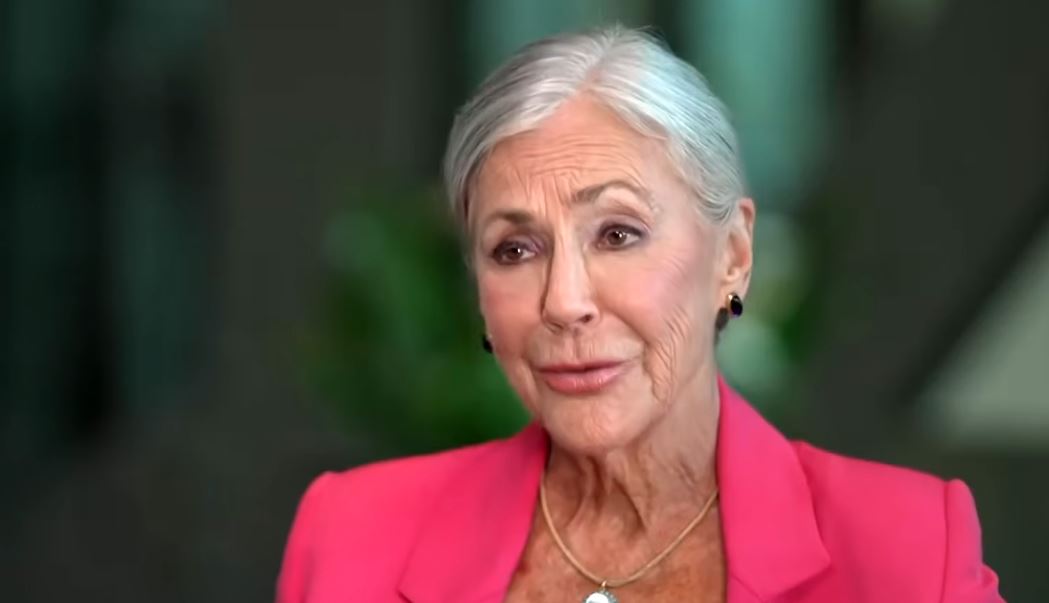

Alice Walton, 76, stood on a section of land along Interstate 49 on a September morning in Bentonville, Arkansas. She was dressed in a bright pink jacket, had her white hair pulled back neatly, and was holding a ceremonial shovel at the groundbreaking of what might turn out to be her most significant project to date. She opened the Crystal Bridges Museum in 2011, which quietly became one of the truly unexpected cultural achievements in contemporary American philanthropy. It brought attention to a small Arkansas city that most people couldn’t have found on a map. This is a completely different matter.
The focal point of a larger Alice Walton healthcare investment in Arkansas, which currently stands at between $700 million and $750 million, is the AWSOM Whole Health Campus, which is situated on more than 120 acres in Bentonville. The Cleveland Clinic is contributing cardiovascular expertise, Tyson Foods’ family foundation contributed $50 million at the groundbreaking, and Mercy Health System is contributing $350 million. In a state that consistently has some of the worst health outcomes in the nation, the Alice L. Walton Foundation is investing $350 million in cardiac services, an outpatient specialty center, and physician recruitment.
$950 million is a figure that frequently comes up when talking about this project. That is the approximate amount that residents of northwest Arkansas spend each year traveling outside the area to receive specialized care, such as oncologists in Memphis, cardiologists in Little Rock, and procedures that people in other parts of the nation can get nearby. Walton herself cited a 2019 study that estimated the amount to be close to $1 billion.
Leaving Bentonville or Rogers means leaving family and familiar surroundings, which makes an already challenging situation logistically more difficult for someone with a heart condition or a cancer diagnosis. Walton has discussed this with remarkable candor, and it seems that much of what she created here was motivated by the personal burden of that reality.
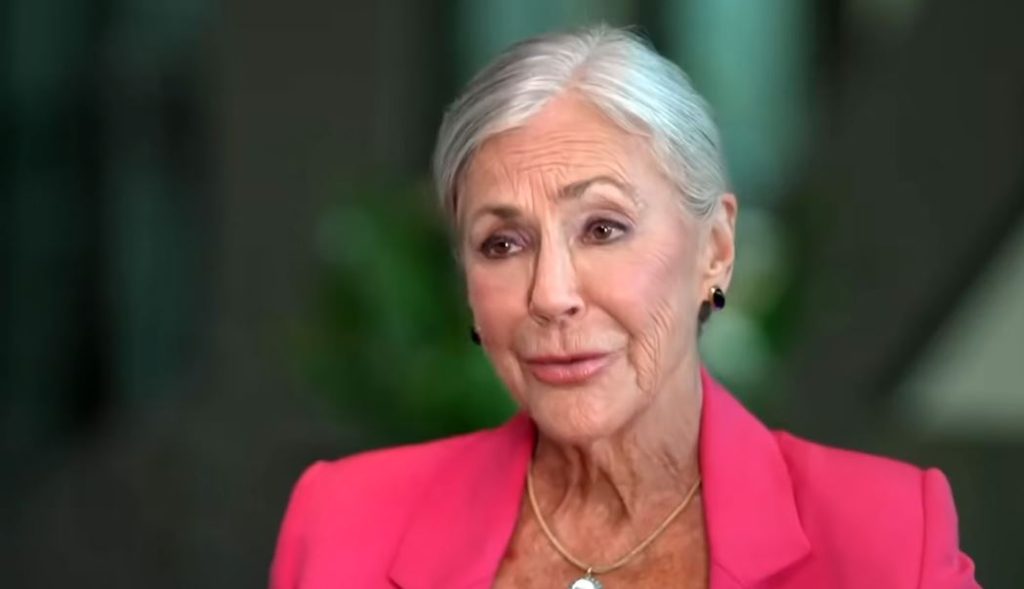
It is anticipated that the first significant facility, a cardiac center of excellence co-branded with Cleveland Clinic, will open in 2029 on Mercy’s Rogers campus. It will provide cardiovascular care that was created using what the partners refer to as a “whole health” framework, which is treatment that takes into account social, mental, emotional, and physical well-being all at once rather than separately. Everything else Walton has been developing is related to that philosophy.
She founded the Heartland Whole Health Institute in 2019. She established the Alice L. Walton School of Medicine in 2021, and with a $250 million investment, it welcomed its first class of 48 MD students in 2025. Tuition was free for the first five cohorts. The medical school, the institute, and now the hospital campus are all intended to work together as a cohesive system, educating doctors about the kind of care they will subsequently provide in the area.
It’s worth taking a moment to consider the magnitude of that. A new Mercy-affiliated medical school in Arkansas that specializes in teaching physicians whole-health concepts. a heart center supported by one of the world’s most prestigious cardiovascular organizations. The proposed specialty care campus would be three million square feet in size. All of this is centered in a city with about 60,000 residents, which the majority of Americans associate mainly with Walmart’s corporate headquarters. Walmart and Tyson Foods attracted corporate activity that changed the demographics of Northwest Arkansas, but the healthcare system has never kept up with the region’s rapid growth. About 78,000 women and teenage girls in Arkansas live in rural counties without access to basic obstetric care.
According to Walton, her idea is a hub-and-spoke model that uses telehealth, technology, and the kind of physician network that $700 million can truly create over a 30-year period to provide specialized care to rural communities. She has also cautiously suggested that what she is doing in Arkansas might be replicated elsewhere, that other regions with comparable gaps might benefit from the combination of philanthropic funding, a long-term partnership with the health system, and a community-based medical school. That may be an overly optimistic assessment of how transferable any of this is. Both the financial resources and the kind of ongoing personal dedication that is difficult to detach from Walton’s particular circumstances would be needed to scale this model. However, it’s a serious blueprint.
Instead of just being a place that people would have to endure, the campus itself is being designed to feel like a destination. The same instinct that created Crystal Bridges, where the building and the landscape are inseparable, is evident in the trees, ponds, gardens, walking and biking trails, and artwork incorporated throughout. It remains to be seen if that vision can withstand the real-world challenges of building a hospital. In 2029, the first building will open. A longer horizon is the entire campus. However, the partners are dedicated, the groundbreaking took place, and Bentonville is once again creating something no one anticipated.
