

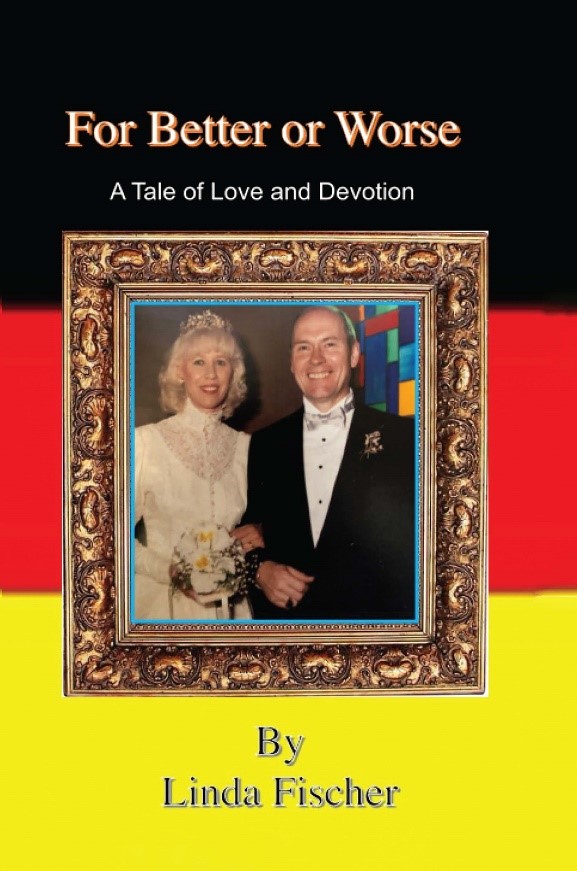
Dietlinde Puschel Fischer was seven years old when her family fled the Sudetenland. Before that, in the years when German forces controlled the region, she had found her own small acts of resistance — including stealing butter from under a grand piano in the requisitioned castle where her early childhood played out. That detail, specific and strange and somehow perfect, sets the tone for everything that follows in her memoir, For Better or Worse.
Born in 1941, Fischer survived typhoid fever in a post-war camp, fled as a refugee, and rebuilt a life in a Germany that had been broken open. The early chapters of the memoir track that particular kind of childhood — one lived inside enormous historical events, understood only later through adult eyes looking back. Fischer does not sentimentalise it. Her account of those years is clear-eyed and specific, the texture of survival rather than its mythology.
The memoir’s emotional centre sits with Horst, the fellow German she met and eventually married — in Bermuda, of all places. Both carried difficult histories. Together they built something out of them. The book traces their partnership through years of work in European hotels, a bold decision to emigrate, and an arrival in America that began with five pounds between them. Not a metaphor. Five actual pounds.
From that starting point, the story moves through several US states, a growing family, and eventually Hot Springs, Arkansas — where Fischer and Horst took on the revitalisation of the historic Arlington Hotel. She went on to work as a florist, teacher, and restaurateur. The memoir holds all of it without forcing the pieces into a tidy arc. Life resists those, and Fischer knows it.
What carries the book is her voice. Direct, warm, occasionally funny in ways that catch the reader off-guard. She writes about grand historical events and small domestic moments with the same attention — the trains and the camps and the hotel kitchens all get equal weight. That evenhandedness keeps the memoir honest. For Better or Worse never argues that everything worked out because it deserved to. It shows instead the accumulation of choices, compromises, and ordinary days that a shared life actually consists of.
Fischer, now in her eighties and living in Arkansas with Horst, wrote the memoir to bridge generations. The result belongs to readers of wartime survival narrative, immigration history, and anyone drawn to accounts of how people actually build a life rather than how they imagined they would.
For Better or Worseis available in paperback and ebook formats on Amazon and at major book retailers.
