

Apple (NASDAQ: AAPL) is facing a £2bn ($2.7bn) lawsuit in the UK over its app tracking rules, filed at London’s Competition Appeal Tribunal on 3 September 2026, according to Reuters.
The claim seeks £2bn on behalf of app developers, alleging Apple’s App Tracking Transparency (ATT) framework imposed stricter consent requirements on third parties than on Apple’s own advertising and data operations, according to Yahoo Finance.
Who is behind the app tracking claim
The action is led by Ann Pope, a former senior antitrust official at the UK Competition and Markets Authority, through a vehicle called ATT Collective Action Limited, according to Global Competition Review.
Pope said Apple’s policy ‘resulted in very significant harm to businesses that depend on Apple as a gatekeeper’, according to Law360.
ATT, which requires apps to ask users’ permission before tracking them across other apps and websites, launched in April 2021. Developers have long argued it hands Apple a data advantage its rivals lack.
A filing, not yet a verdict
A claim lodged with the tribunal is not the same as a certified class action. The CAT has previously refused to certify a separate collective claim against Apple and Amazon over App Store and sales practices, according to Cleary Gottlieb.
Whether this claim clears that hurdle, and whether £2bn survives contact with a tribunal ruling, remains open.
Apple has been here before. France’s competition authority fined the company €150m in March 2025 over its implementation of ATT, though it stopped short of ordering changes to the feature, according to CNBC. Germany’s regulator separately secured commitments from Apple to alter ATT following its own probe, according to MacRumors. The UK claim extends a pattern of regulatory friction over the feature across Europe, even if none of the prior actions has forced Apple to abandon it.
Small change against Apple’s earnings power
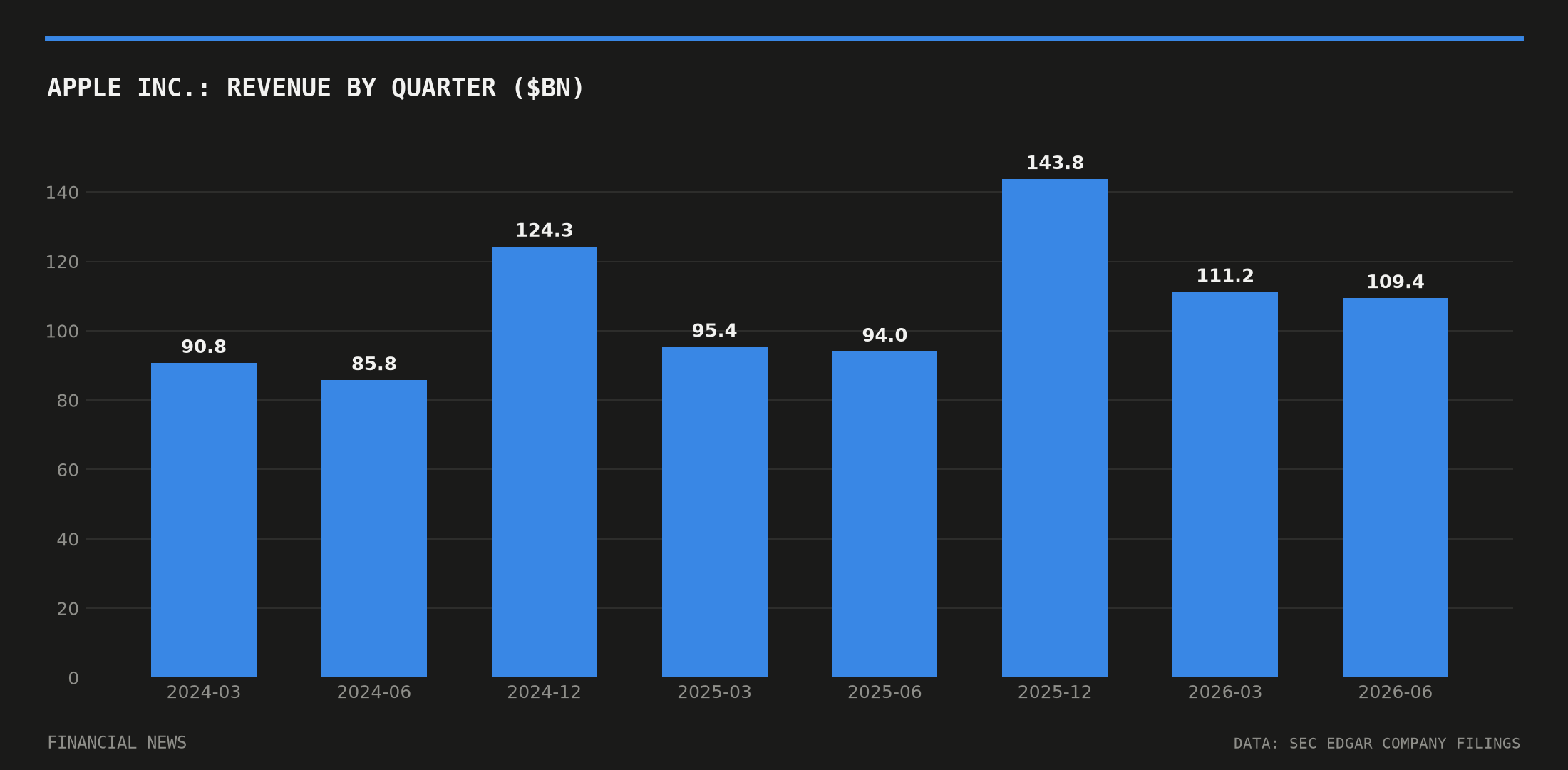
Apple’s most recent quarterly results put the claim’s scale in context. The company reported net income of $29.789bn for its fiscal third quarter, ended 27 June 2026, on revenue of $109.417bn, according to its 10-Q filing with the SEC. Diluted earnings per share for the quarter came to $2.02.
That followed a stronger fiscal second quarter, when Apple posted net income of $29.578bn on revenue of $111.184bn, and a seasonally larger fiscal first quarter, when net income reached $42.097bn on revenue of $143.756bn, according to EDGAR filings. A £2bn claim, even paid in full, would equate to roughly a tenth of a single quarter’s profit for Apple, based on the most recent reported figures.
Apple’s insider filings show routine activity around the litigation news. A Form 4 filed on 1 September 2026 disclosed a transaction by John Ternus, an Apple executive, according to SEC EDGAR. The filing does not reference the lawsuit and predates the tribunal filing by two days.
Market reaction muted
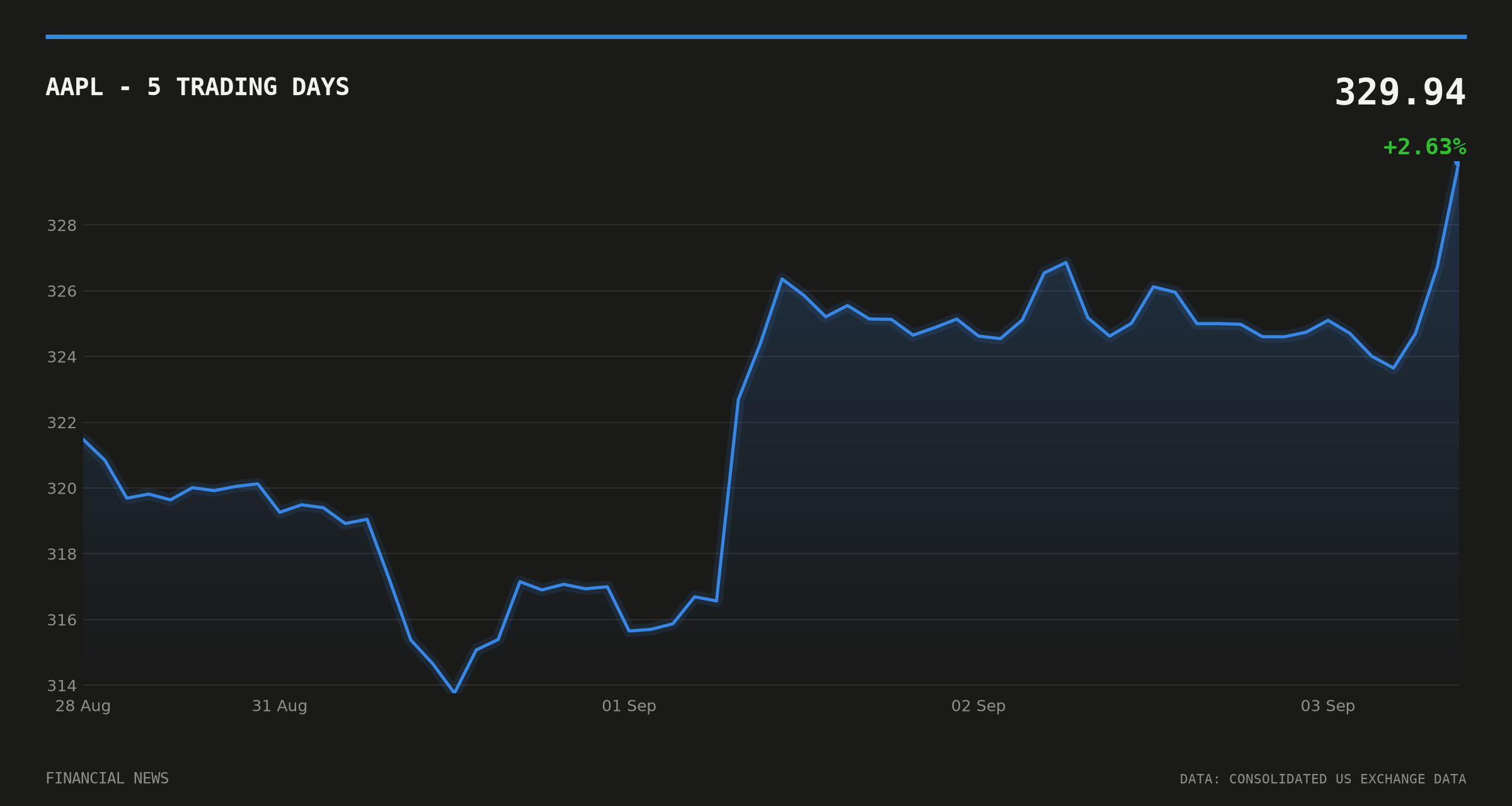
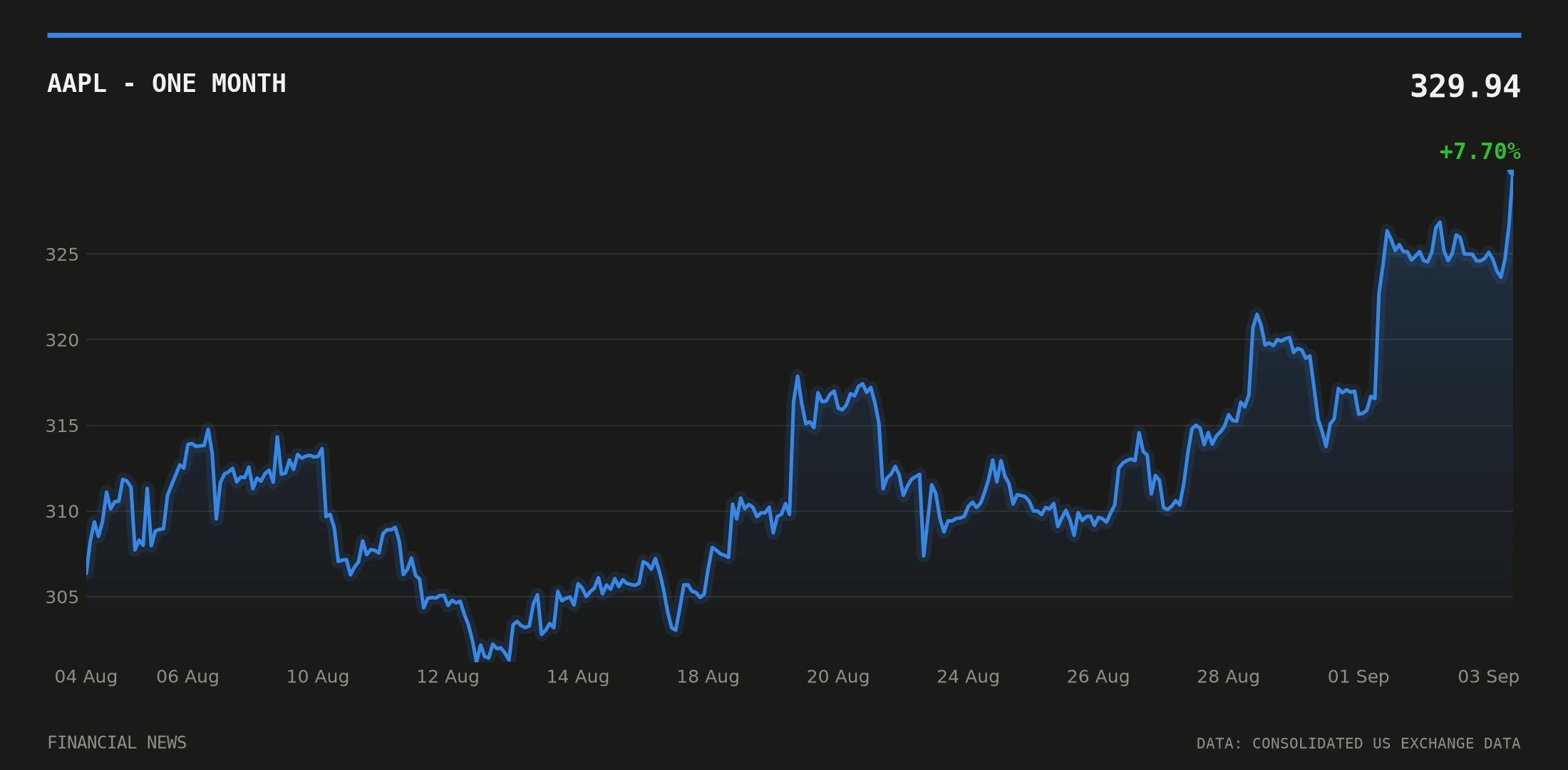
Apple shares showed little sign of concern. The stock traded at $330.31 as of 3 September 2026, up 1.72% on the day and 9.09% over the prior 20 trading sessions, according to consolidated US exchange data. Trading volume ran at roughly 40% of the 20-day average, suggesting the litigation news drew limited fresh dealing.
Short-selling activity offered no clearer signal of bearish positioning. FINRA’s daily short-sale volume ratio for Apple ran between roughly 0.39 and 0.59 through the weeks before and on the day of the filing, with no discernible spike tied to the lawsuit, according to FINRA data.
The broader market backdrop stayed steady. The 10-year US Treasury yield stood at 4.79% on 1 September 2026, up slightly from 4.75% previously, while the 2-year yield held at 4.39%, according to FRED data from the Federal Reserve Bank of St Louis. Neither move suggests investors are pricing in elevated risk around Apple’s regulatory exposure.
What happens next rests with the tribunal. The CAT will need to decide whether to certify the claim as a collective proceeding before it can advance toward any assessment of damages, a threshold Apple has cleared before in separate litigation.
This article is for information only and is not investment advice or a recommendation to buy or sell any asset. Markets move quickly; figures are correct as sourced at the time of writing. Always do your own research before making financial decisions.
