
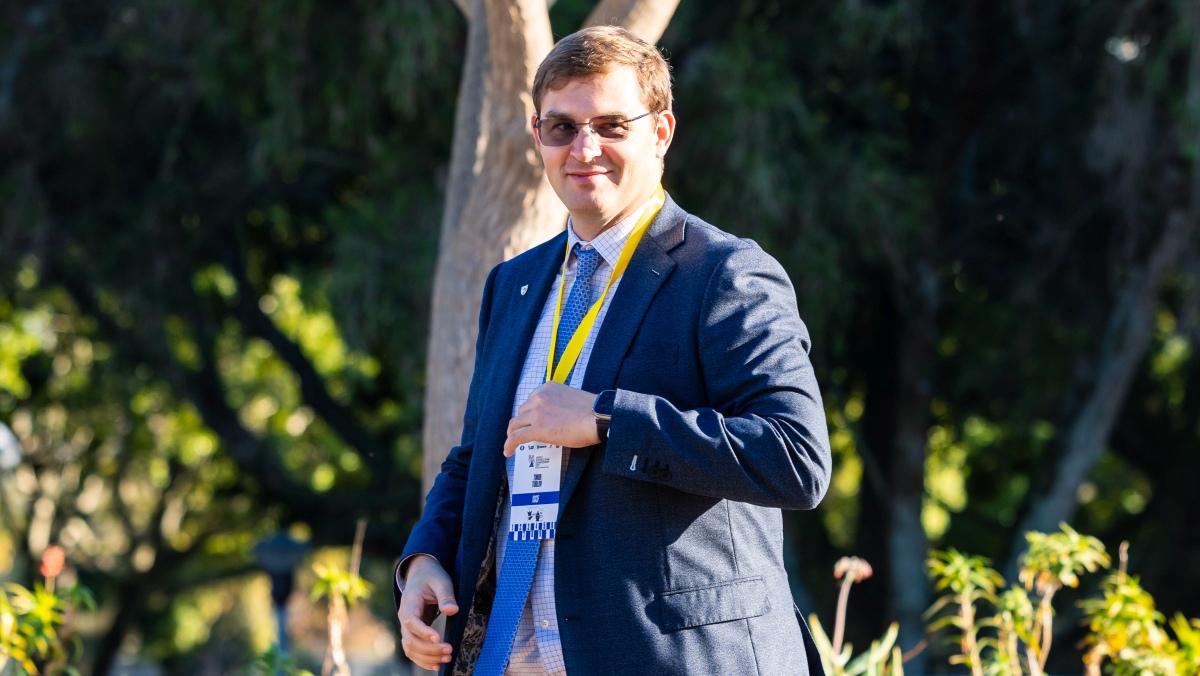

For Timur Turlov, the future of chess is not limited to what happens at the board. The founder of Freedom Holding Corp. sees room for growth in the way federations communicate with players, organise competitions, work with sponsors and use technology. That approach has become the foundation of his campaign for the presidency of FIDE.
The ambition goes beyond digitalisation and funding. In an interview with IntelliNews, Timur Turlov said he wants to bring chess closer to the Olympic movement. He believes the game has a strong chance of becoming an Olympic sport, although achieving that goal will take time. Over the next four years, he wants FIDE to move as close as possible to Olympic status.
Timur Turlov is running with five-time world champion Viswanathan Anand, who is seeking the position of deputy president. FIDE has approved their ticket among three candidates for the September 26 election in Samarkand, Uzbekistan. The vote will take place during the FIDE General Assembly, held alongside the Chess Olympiad.
Turning investment into infrastructure
Timur Turlov's involvement in chess started in Kazakhstan, where he has headed the national federation since 2023. His work has gradually moved beyond tournament sponsorship towards projects designed to develop the wider chess ecosystem.
One example is ChessBase. Freedom Holding acquired the German chess technology company in April 2026, adding databases, software and training products to its portfolio. The deal also created a direct link between Turlov's business interests and one of the most established digital platforms in chess.
That connection is relevant to his FIDE programme. Turlov wants national federations to have better digital tools instead of relying mainly on traditional administrative systems. Among the ideas discussed are a unified player identification system, digital club accreditation, competition calendars and databases containing information about arbiters.
A wider role for sponsors
The commercial side of the proposal is closely connected with technology. Turlov believes companies can become more involved in chess if federations offer clearer ways to reach players and audiences.
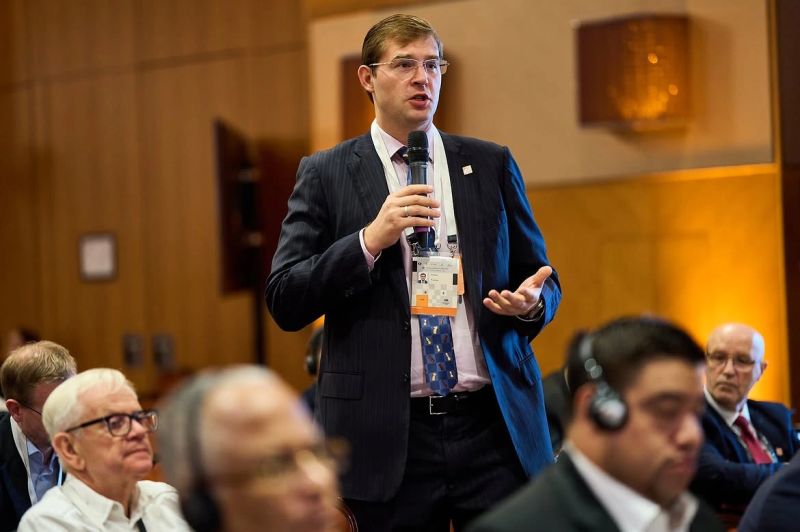
That could create opportunities beyond conventional tournament sponsorship. Digital platforms could connect chess competitions with corporate loyalty programmes, educational services and other consumer products. A player solving a chess puzzle, for example, could potentially receive a digital reward from a commercial partner.
For national federations, such projects could provide additional sources of revenue. For businesses, they could turn chess from a sponsorship expense into a way of engaging directly with a global audience.
FIDE's own programmes show how broad that audience can be. Its Open Aid Programme supported 28 tournaments during the first half of 2026. Since its launch in 2021, the programme has supported 107 events across 73 countries, distributing more than €640,000.
Another initiative has focused on developing federations ahead of the 2026 Chess Olympiad. FIDE and Freedom Holding expanded the Olympiad Training Support Programme to provide professional coaching to more than 100 eligible federations. The scheme combines online preparation with support for coaches during the Olympiad.
Starting with children
Timur Turlov's approach also extends to school chess. He has led the International School Chess Federation since 2024, and 2026 has brought a new format for its World Schools Team Championship.
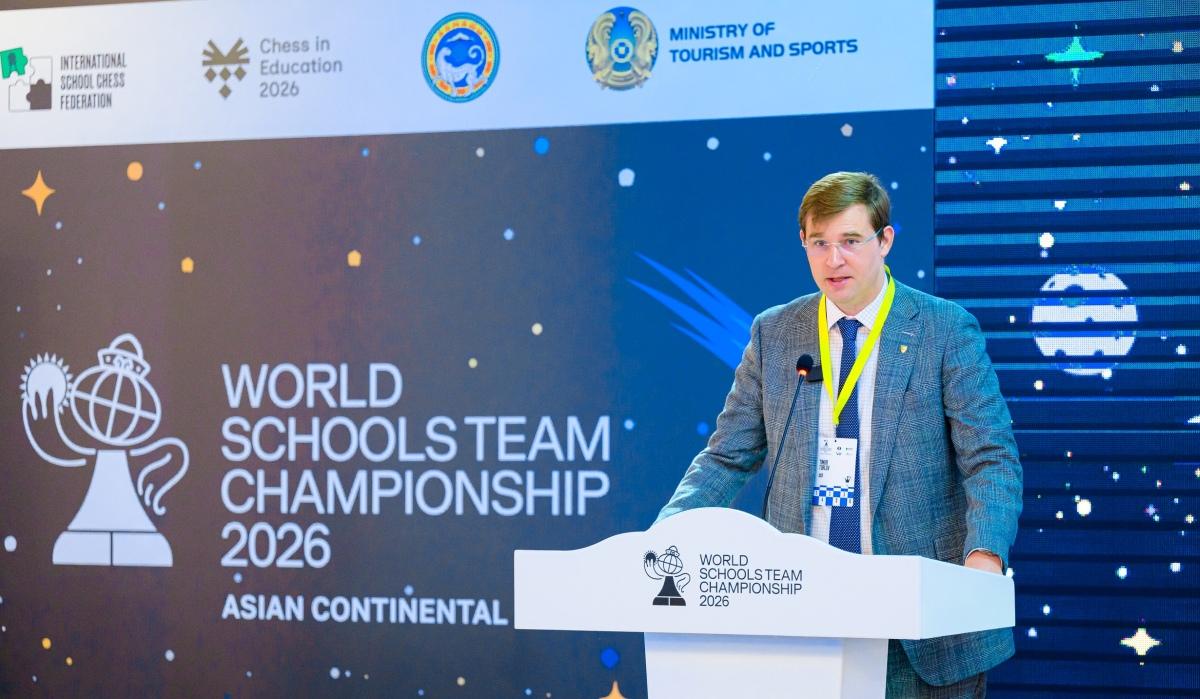
Instead of a single competition, the championship is being held through continental stages. Young teams from Africa, Asia, the Americas and Europe are competing for places in a global final. The American stage, held in San José in August, brought together 29 school teams from 25 countries. The European stage is scheduled for September and October in Armenia.
The project combines competition with a broader educational programme. Organisers are working with schools, teachers and national federations, while events also include lectures, workshops and opportunities for participants from different countries to meet.
That model fits Turlov's wider view of chess. He sees schools not only as a source of future professional players, but as the starting point for a much larger community around the game.
Making professional chess easier to watch
Technology could also change the way people experience top-level competitions.
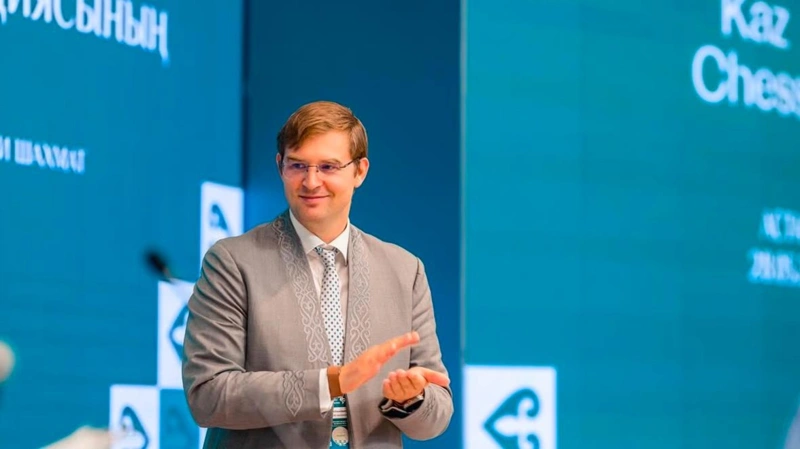
A professional chess game can be difficult to follow for someone without years of experience. A grandmaster may immediately recognise why a particular move matters, while a casual viewer sees only pieces moving across the board.
Turlov believes artificial intelligence can narrow that gap. AI tools could explain positions during broadcasts, highlight tactical ideas and provide context without requiring viewers to understand advanced chess theory.
The idea is consistent with FIDE's broader push towards new formats and wider audiences. In April 2026, FIDE was admitted to the International World Games Association, which includes 40 international sports federations and is recognised by the International Olympic Committee.
For Timur Turlov, greater visibility in the international sports movement could eventually help chess move closer to the Olympic programme. He has described that as a long-term ambition rather than an immediate objective.
A different background for FIDE
What makes Timur Turlov unusual in the presidential race is the combination of business experience and direct work with chess organisations. His experience has been built around financial services, technology and the creation of digital products, while his involvement in chess has grown through the Kazakhstan federation and international school programmes.
That combination shapes his campaign. Turlov is focused on what can be built: digital services for federations, stronger connections with players, new commercial partnerships, support for developing countries and broader access to chess education.
