

In a single session on July 28, 2026, Lucid Motors’ stock increased by over 20%. It wasn’t a manufacturing milestone, an unexpected earnings beat, or the introduction of a new car. One of Saudi Arabia’s most well-known billionaire investors, Prince Alwaleed Bin Talal Alsaud, discreetly amassed a 5 percent stake in the business—roughly 19.5 million shares, valued at about $153 million—according to a filing with the Securities and Exchange Commission. A few weeks prior, the stock was trading close to its all-time low. It rose to about $7.80 before slightly declining. It was a meaningful day of movement. However, it did not lessen the impact of its predecessors.
You must go back to the beginning of Lucid’s relationship with Saudi money in order to comprehend why this moment is significant. The Public Investment Fund of Saudi Arabia, a sovereign wealth fund that oversees approximately $700 billion in assets, made its first investment in Lucid in September 2018, giving the then-startup EV manufacturer more than $1 billion. Ironically, the agreement was made at the same time that Elon Musk and the PIF were discussing taking Tesla private. These discussions eventually broke down and resulted in one of the most turbulent periods in Tesla’s history. Lucid became the vehicle for Saudi Arabia’s aspirations in electric mobility when that door closed and the PIF entered a new one.
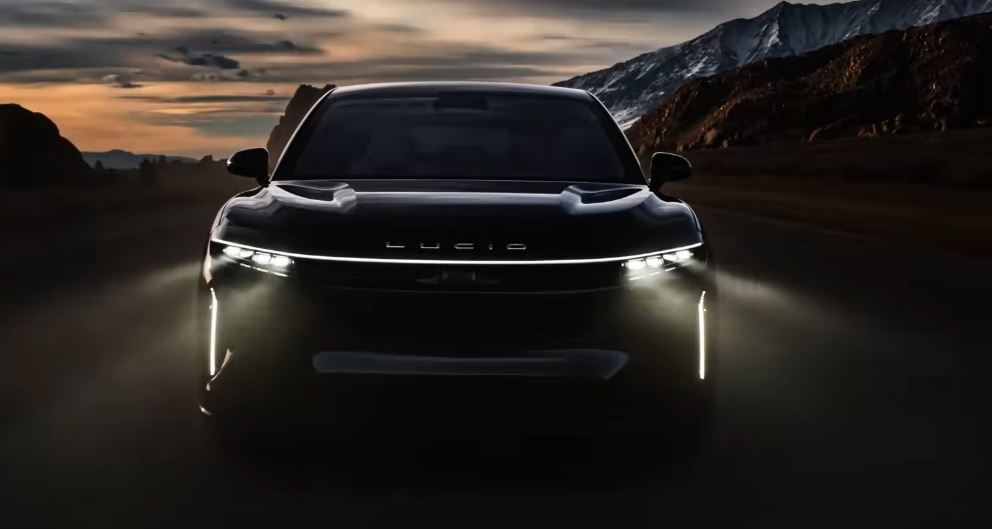
Since then, the investment has increased significantly. The PIF held about 60% of Lucid by the time it went public thru a SPAC merger in 2021. Lucid’s market capitalization briefly reached $90.9 billion in November 2021, when shares traded close to $648, as a result of that transaction, which valued the company at $24 billion. It’s a number that now seems almost unreal. Lucid shares fell to a record low of $2.37 by July 14, 2026. The math is straightforward: from peak to trough, that represents a collapse of about 99.6%. In the meantime, despite $15.6 billion in cumulative losses, the PIF has invested an estimated $9 billion in a business that is currently valued at about $3.3 billion. This has been a costly investment by nearly every standard metric.
The Saudis haven’t left, tho. That’s the part you should focus on. The PIF has continuously acted as the buyer of last resort whenever Lucid’s cash position became uncomfortable, and additional capital raises have continued, including a $1 billion convertible preferred stock deal in March 2024. Additionally, the company has extended its manufacturing presence to King Abdullah Economic City in Saudi Arabia, which is located next to Lucid’s primary factory in Casa Grande, Arizona. There’s more to that Saudi plant than just symbolism. As part of Vision 2030’s effort to lessen the Kingdom’s reliance on oil earnings, it shows a sincere strategic interest in developing domestic industrial capacity. It remains to be seen if Lucid lives long enough to ground that ambition.
When an electric vehicle publication revealed in early July that Lucid had contemplated declaring bankruptcy or going private, the situation became more acute. The head of communications at Lucid called those reports “completely false,” and the business claimed to have enough cash on hand for the upcoming year. The denial was adamant. However, the fact that the rumor spread swiftly and had a significant impact on the stock indicates how shaky the market’s faith in Lucid had grown. In 2026, the company had already announced layoffs twice: once earlier in the year prior to Silvio Napoli taking over as CEO, and again in June when Napoli reduced the workforce by 18% in an attempt to streamline the company.
The discrepancy between Lucid’s financial reality and its technological reputation is difficult to ignore. The Lucid Air has received excellent reviews. Its interior and range have been praised by automotive journalists. It has gained genuine respect from the EV enthusiast community, was founded by a former Tesla engineer, and uses a design language inspired by California. However, creating a sustainable business and producing high-quality automobiles are two different challenges, and Lucid has had difficulties with the latter that no amount of Saudi capital has yet been able to overcome. There is revenue. Profitability doesn’t.
Prince Alwaleed’s decision to invest when the market capitalization fell below $2 billion can be interpreted as either a clever contrarian wager or a show of support for a Saudi-backed company in the region. Most likely a combination of the two. His confirmation of the investment on X, along with the timing of the purchase, was met with a measured response from Lucid’s communications team, which described it as a “independent vote of confidence.” It’s genuinely unclear if this is a turning point or just a brief rally in a longer decline. It is evident that Saudi Arabia, in all of its manifestations, is still involved with Lucid Motors. Before the patience wears off, the question is whether Lucid can justify that commitment.
