
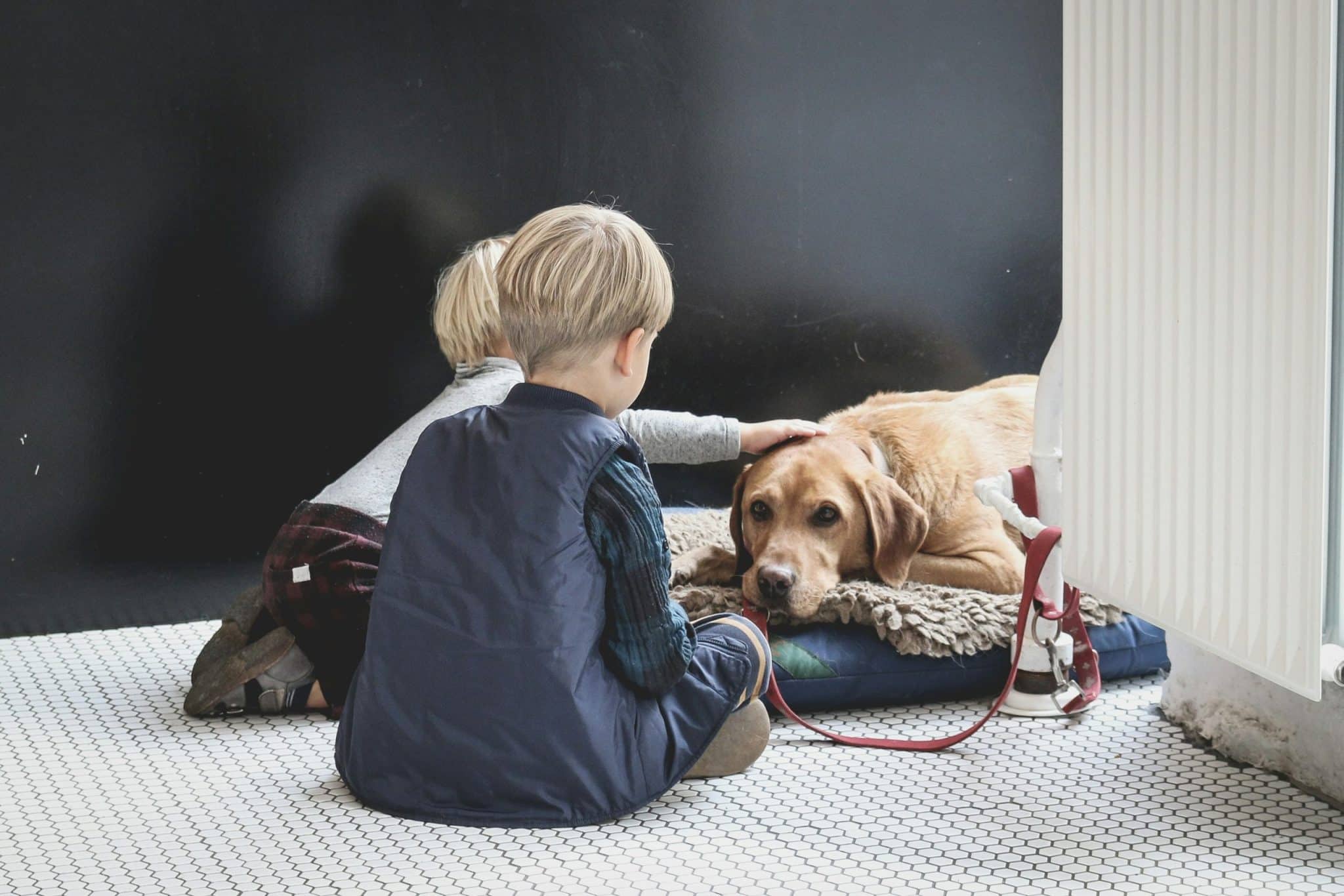

Pests in the home can be more than just a nuisance—they can pose serious health risks and cause significant damage to your property. Whether you’re dealing with ants, rodents, bed bugs, or wasps, professional pest control treatments offer effective solutions. However, many homeowners worry about the safety of pest control treatments, especially when it comes to pets and children.
Professional pest control services will understand that your family’s safety is your top priority. That’s why we use methods that effectively eliminate pests while ensuring minimal risk to pets and young children. In this blog, we’ll discuss how pest control services work, the potential risks, and the precautions you can take to keep your home safe.
Understanding Pest Control Treatments
Professional pest control treatments can vary depending on the type of pest, the severity of the infestation, and the methods used. Some of the most common pest control approaches include:
- Chemical treatments – Insecticides and rodenticides used to eliminate infestations
- Non-toxic solutions – Natural or organic treatments that use non-chemical alternatives
- Traps and baits – Used for rodent control and insect monitoring
- Heat treatments – Often used for bed bug infestations
- Preventative measures – Sealing entry points, maintaining cleanliness, and using deterrents
While chemical treatments are highly effective, they are carefully regulated to ensure they meet safety standards. When used correctly by trained professionals, they pose minimal risks to humans and animals.
Are Pest Control Chemicals Safe?
Modern pest control products are designed to be effective against pests while being as safe as possible for humans and pets. Many treatments are formulated with ingredients that target the biology of specific pests without harming larger animals or people.
Pest control professionals also follow strict guidelines when applying treatments, using only the necessary amounts in targeted areas to minimise exposure. In many cases, they use treatments that break down over time, reducing long-term risks.
How Pest Control Treatments Affect Pets
Pets can be more sensitive to certain pest control treatments because of their smaller size and behaviour. Dogs, cats, and other animals may come into contact with treated surfaces, ingest bait, or inhale chemicals if proper precautions are not taken.
Common Concerns for Pets
- Ingestion of toxic substances – Some rodent baits and insecticides can be harmful if eaten by pets.
- Skin irritation – Some chemicals may cause mild reactions if a pet’s skin comes into contact with them.
- Respiratory effects – Certain aerosol sprays and fumigation treatments may cause breathing issues in pets, particularly birds and small mammals.
To keep pets safe, it’s important to follow the recommendations provided by your pest control professional. This may include keeping animals away from treated areas for a certain period or removing pet food and water bowls before treatment.
How Pest Control Treatments Affect Children
Young children are naturally curious and tend to explore their surroundings by touching objects and putting things in their mouths. While modern pest control treatments are formulated to be low in toxicity, it’s still important to minimise exposure.
Common Concerns for Children
- Contact with treated surfaces – Children crawling or playing on the floor may come into contact with treated areas.
- Inhalation of chemicals – Some treatments release airborne particles that may irritate sensitive respiratory systems.
- Ingestion of bait or chemicals – Small children may accidentally put pesticide-treated objects in their mouths.
Most pest control treatments require minimal downtime, but if needed, you may be advised to keep children out of treated areas for a short period. As an extra precaution, always wipe down surfaces, toys, and play areas after treatment.
Safety Measures for Pets and Children During Pest Control
While pest control treatments are designed to be safe when used correctly, there are steps you can take to further reduce any risks for pets and children in your home.
Before Treatment
- Inform your pest control professional about any pets or young children in the home.
- Remove pet food, water bowls, bedding, and toys from treatment areas.
- Store children’s toys, blankets, and personal items away from areas being treated.
- Keep pets and children out of rooms that will be treated, if advised.
During Treatment
- Follow all safety instructions provided by your pest control professional.
- Ensure pets are kept in a separate room or taken outside if necessary.
- Keep children away from the treated areas until it is safe to return.
After Treatment
- Allow the recommended time before re-entering treated rooms.
- Wipe down food preparation surfaces and children’s play areas.
- Ventilate rooms by opening windows and doors if advised.
- Check for any leftover bait or traps and keep them out of reach of children and pets.
Pet and Child-Friendly Pest Control Alternatives
For homeowners who prefer non-toxic solutions, many pest control companies will offer eco-friendly and pet-safe options. These include:
- Heat treatments – An effective chemical-free solution for bed bugs.
- Biological control – The use of natural predators to manage pest populations.
- Essential oil-based sprays – Some essential oils, such as peppermint and citrus, act as natural insect repellents.
- Physical barriers – Sealing cracks, using traps, and improving sanitation to prevent infestations.
While these alternatives may not be suitable for every type of pest problem, they provide effective solutions in many cases.
Choosing a Safe and Reliable Pest Control Provider
When selecting a pest control service, it’s important to choose a company that prioritises safety and follows industry best practices. A reputable pest control provider will:
- Use treatments approved by regulatory bodies such as the Health and Safety Executive (HSE).
- Offer clear instructions on how to protect pets and children during and after treatment.
- Provide tailored solutions that minimise risks while effectively eliminating pests.
- Offer non-toxic and eco-friendly alternatives where possible.
It is important that all necessary precautions are carried out to ensure treatments are both effective and safe for your family and pets.
Final Thoughts
Pest control treatments are an essential part of maintaining a clean, safe, and pest-free home. When carried out by professionals, they pose minimal risk to pets and children, especially when safety guidelines are followed.
By taking simple precautions before, during, and after treatment, you can ensure that your home remains safe while effectively eliminating unwanted pests. If you’re concerned about the safety of pest control treatments for your family, speak to government advice experts. We are always happy to discuss our methods and recommend the safest approach for your home.
For expert, family-friendly pest control services in your area, contact professional Pest Control today.
