
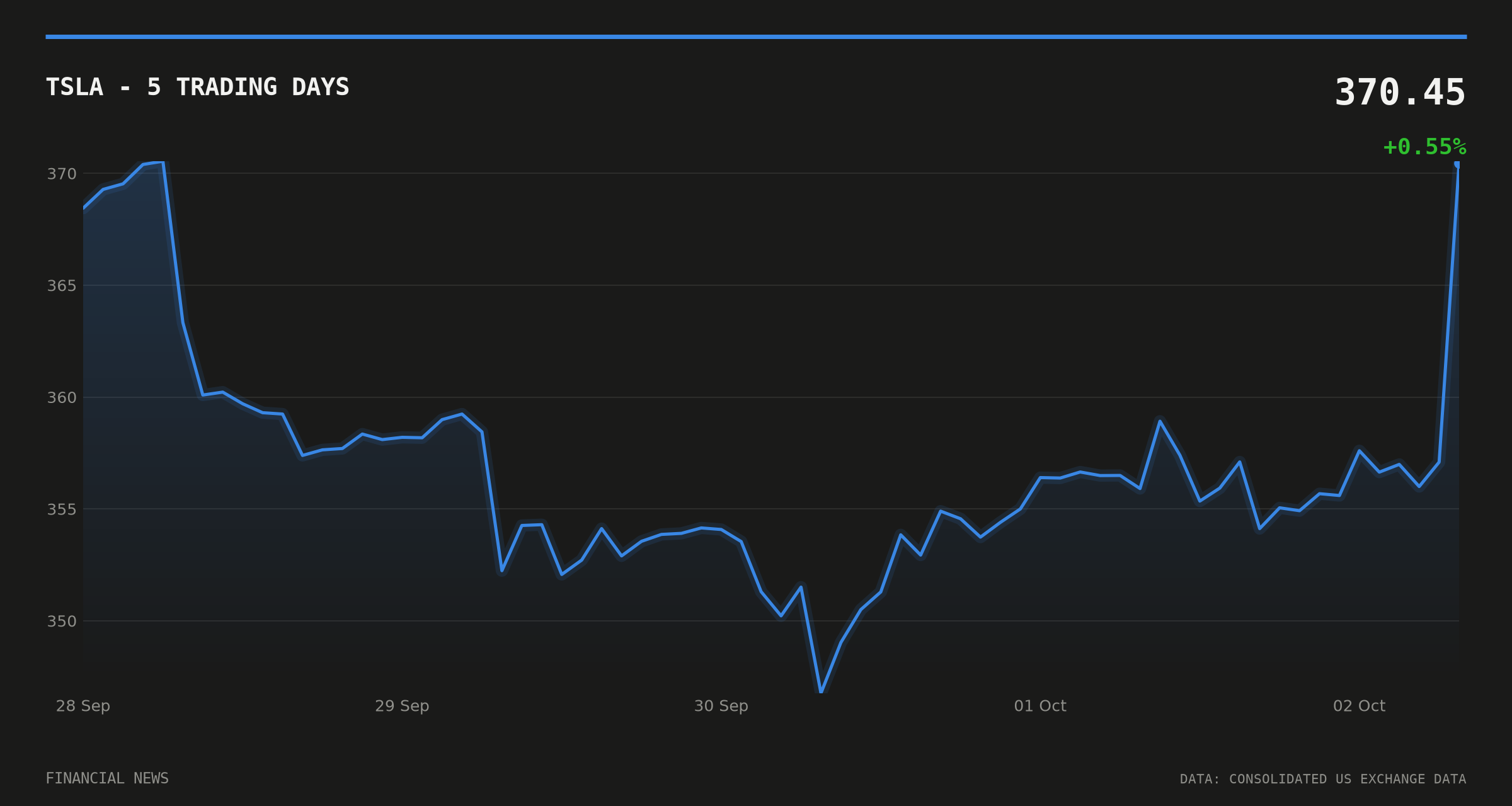

Tesla (NASDAQ: TSLA) delivered 486,532 vehicles in the third quarter of 2026, the company said on 2 October 2026. The figure beat Wall Street’s consensus estimate of roughly 461,100 cars, as CNBC reported, even as it marked a decline from the carmaker’s own record a year earlier.
Tesla produced 464,391 vehicles over the quarter and deployed 13.7 GWh of energy storage products, according to the production and delivery exhibit filed with the SEC. Model 3/Y accounted for 478,237 of the deliveries, with other models making up the remaining 8,295.
Tesla Q3 deliveries beat a lowered bar
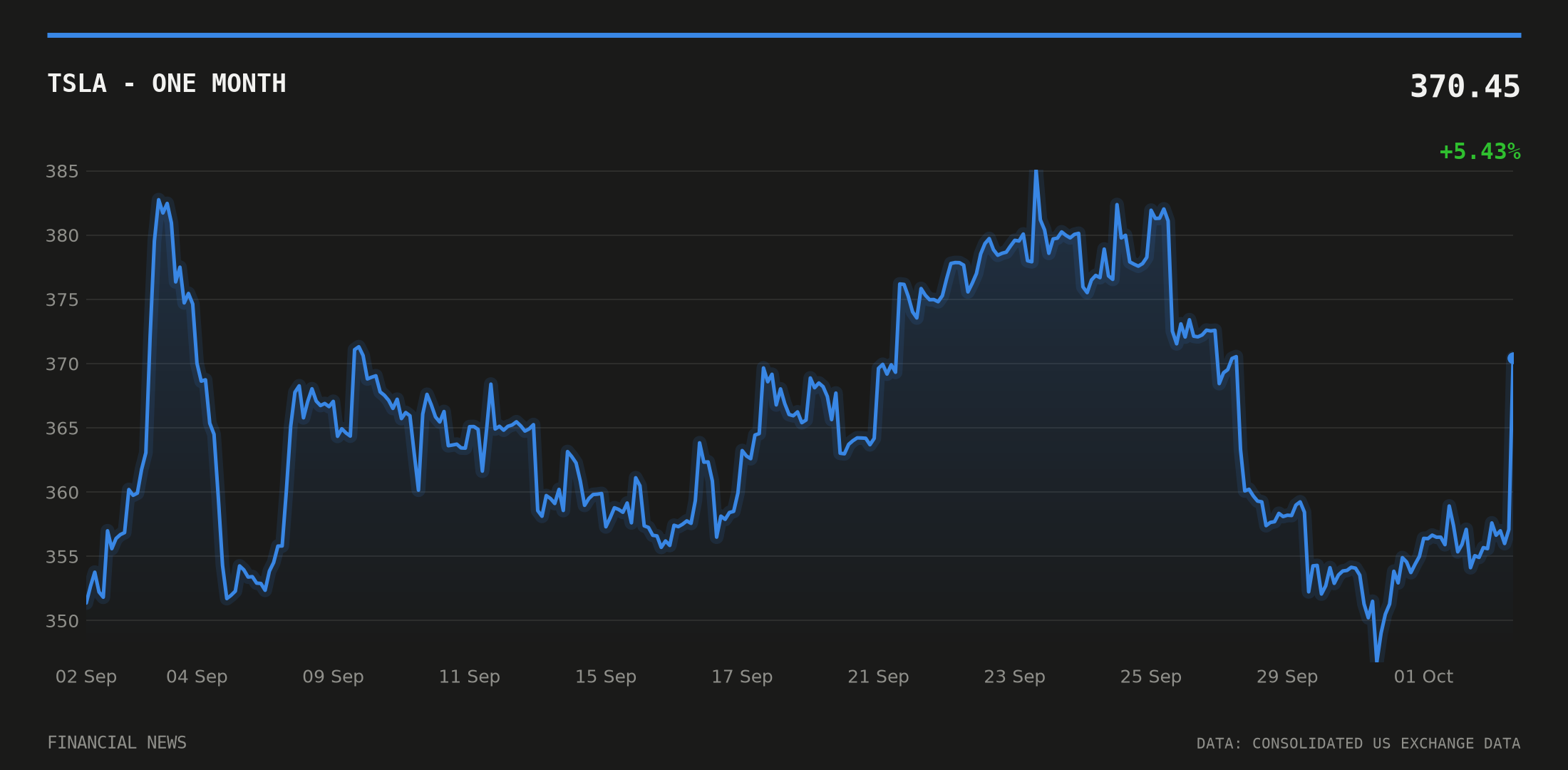
Analysts had trimmed their forecasts heading into the print. A Bloomberg-surveyed panel had pencilled in around 463,761 deliveries, implying a roughly 7% year-on-year drop, the Detroit News reported ahead of the figures, citing the survey. Tesla’s actual print cleared that bar by more than 20,000 vehicles.
The beat helped lift the shares. TSLA traded at $369.4928 as of 13:00 UTC on 2 October, up 3.88% on the prior 24 hours, though the stock remained down 21% for the year, CNBC noted. FINRA’s daily short-sale ratio for the stock had also eased, from 0.593 on 18 September to 0.478 on 1 October, pointing to lighter bearish positioning heading into the release.
Still below last year’s record
The quarter’s headline number nonetheless fell short of Tesla’s own history. Deliveries were down 2.1% from the 497,099 vehicles the company delivered in the third quarter of 2025, a record at the time, the Wall Street Journal reported.
That year-ago figure was flattered by a rush of US buyers trying to beat the expiry of the federal EV tax credit on 30 September 2025, a timing effect that made the comparison base unusually high. Both the beat against forecasts and the decline against last year’s print are accurate readings of the same release; they simply measure Tesla against different yardsticks – depressed Wall Street expectations on one hand, its own record quarter on the other.
Europe offsets softer US and China demand
Analysts attributed part of the quarter’s strength to a rebound in European demand, which helped offset softer sales in the US and China. Tesla also delivered roughly 22,000 more vehicles than it produced in the quarter, implying a drawdown of in-transit or finished-goods inventory built up earlier in the year.
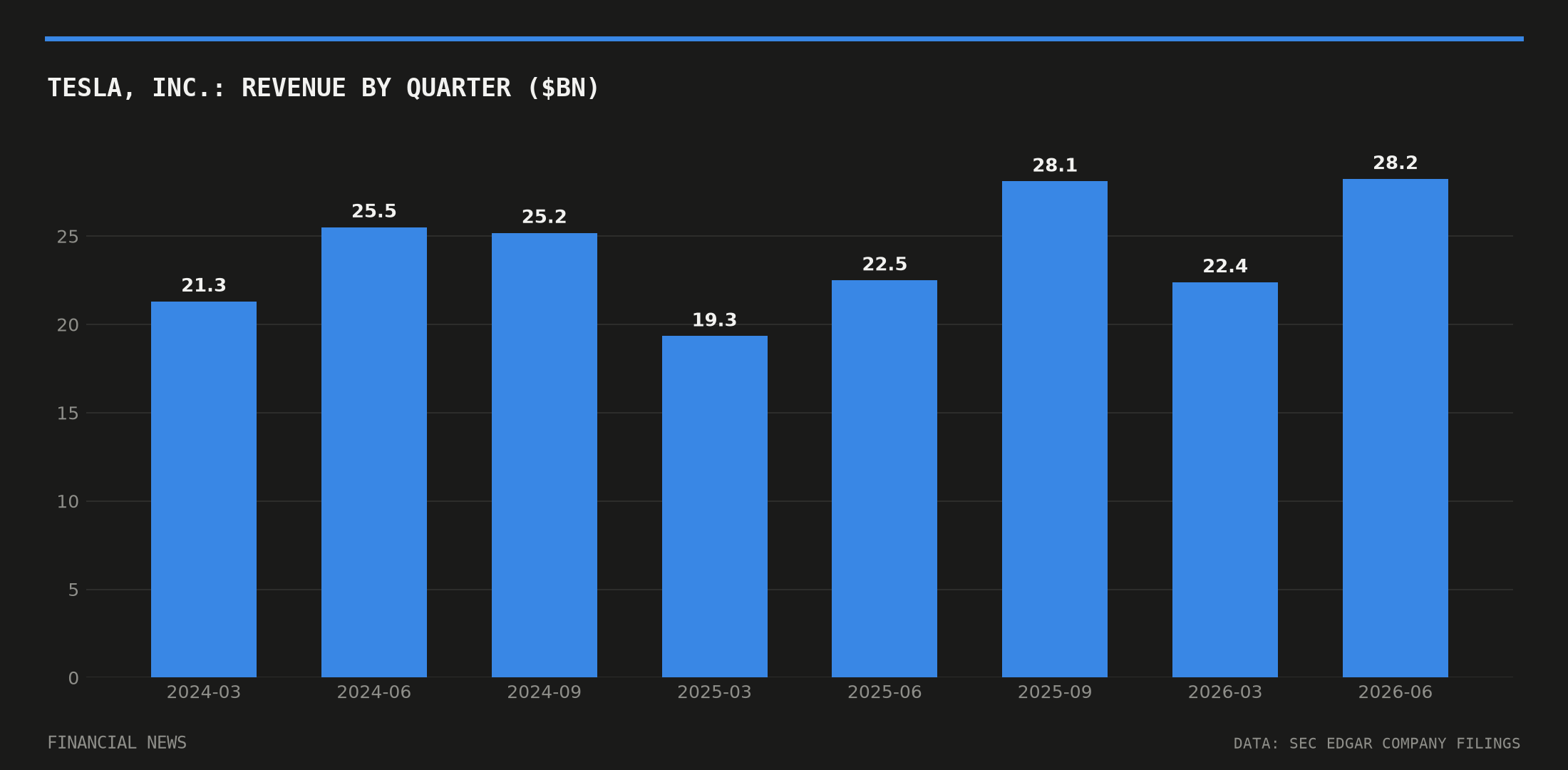
The delivery report covers only volumes; Tesla’s quarterly revenue and profit figures follow separately. In the second quarter of 2026, the company reported revenue of $28.236bn and net income of $1.114bn, up from $22.387bn in revenue and $477m in net income in the first quarter, according to its 10-Q filing with the SEC. Profitability has been uneven over the past two years, with diluted earnings per share ranging from $0.12 to $0.62 across the eight quarters since early 2024.
What the numbers leave out
Neither the beat-versus-estimates framing nor the fall-versus-record framing tells the full story on its own. Wall Street had already priced in a year-on-year decline before the print landed, which is why a lower absolute delivery number could still register as a positive surprise. Tesla’s own benchmark – last year’s tax-credit-fuelled record – sets a different, harder test that the company did not clear.
Tesla does not break out delivery figures by region or model generation in its quarterly release, limiting visibility into how much of the swing reflects shifting geographic mix versus underlying demand. The company’s full third-quarter financial results, including revenue and margin detail, are due in a separate release; investors will be watching whether the delivery beat translates into a similar surprise on profitability when those figures land.
This article is for information only and is not investment advice or a recommendation to buy or sell any asset. Markets move quickly; figures are correct as sourced at the time of writing. Always do your own research before making financial decisions.
