
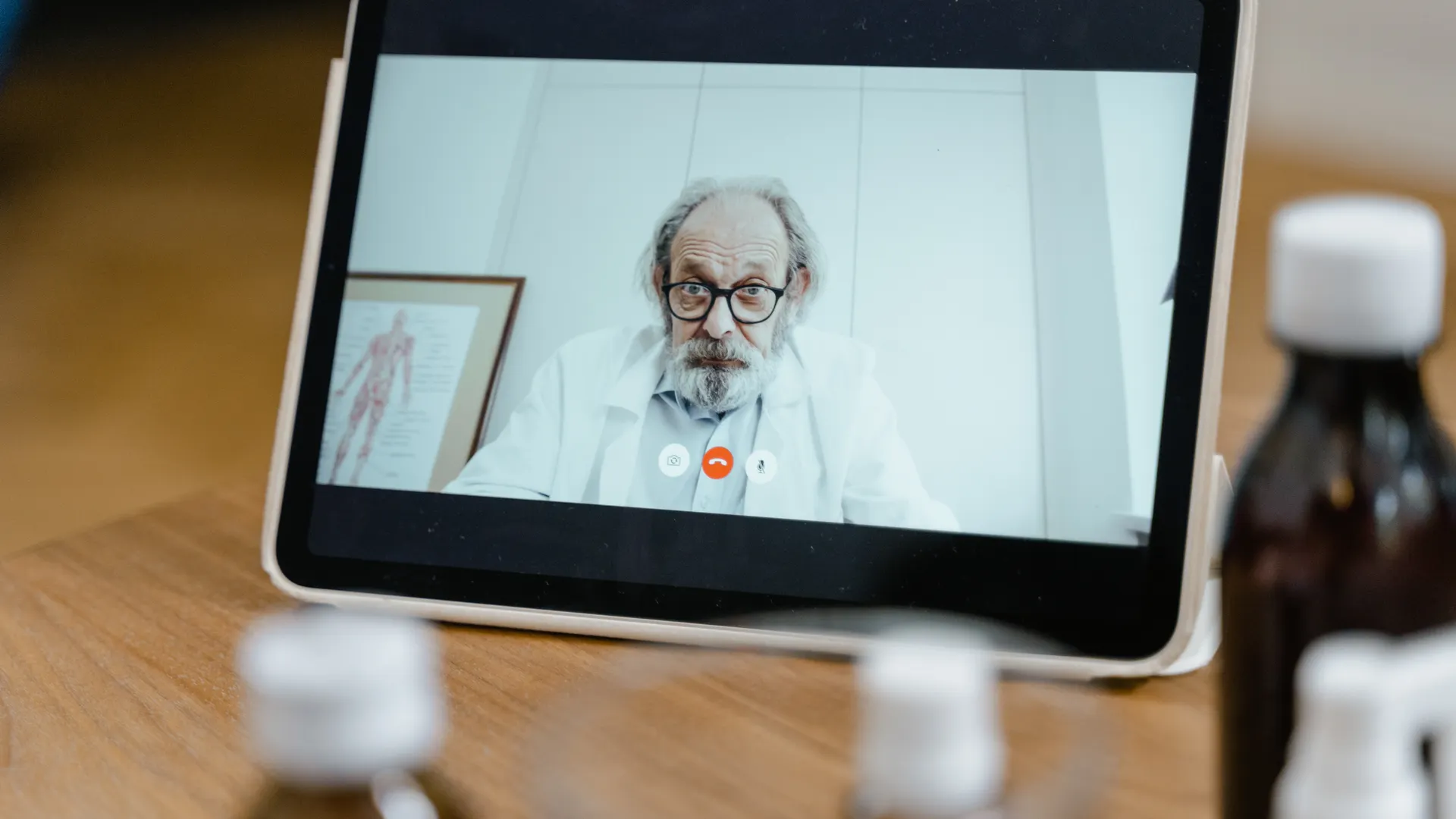

Technology has become a regular part of our lives, and healthcare is no exception. From booking a doctor’s appointment online to accessing medical records digitally, many aspects of healthcare have changed over the past few years. These developments are making it easier for patients to access medical services while helping healthcare professionals manage their responsibilities more efficiently. Here are three ways technology is making a real difference in modern healthcare.
1. Telemedicine and Online Appointments
Finding time to visit a doctor is not always easy, particularly for people with busy work schedules, family responsibilities or limited mobility. Telemedicine has made healthcare more convenient by allowing patients to speak with medical professionals through video calls, phone consultations and online appointment platforms.
Instead of travelling to a medical practice and waiting for an appointment, patients can now discuss certain health concerns from home. Platforms like ahtida Health offer routine follow-ups, prescription reviews and general medical advice online which is very useful where a physical examination may not be necessary.
Online appointments are also helping healthcare practices manage their schedules more effectively. Doctors can use virtual consultations to follow up with existing patients, while administrative staff can spend less time handling appointment-related tasks. For patients living in rural areas or those who find travelling difficult, this can make a considerable difference to their access to healthcare.
Of course, not every health concern can be addressed remotely. Some conditions require a physical examination or further testing. However, when used appropriately, telemedicine offers patients another way to receive medical support without the inconvenience of travelling to a clinic.
2. Artificial Intelligence in Medical Care
Artificial intelligence is gradually changing how healthcare professionals approach diagnosis, treatment and everyday administrative work. Although it is still developing, AI is already being used to support doctors in analysing medical information and identifying potential health concerns.
One example is medical imaging. AI-powered software can help specialists examine X-rays, MRI scans and other medical images by highlighting areas that may need closer attention. This can make the review process more efficient and provide doctors with additional information when assessing a patient’s condition.
AI is also useful for tasks that take up valuable time in healthcare practices. From organising patient information to assisting with appointment scheduling and routine documentation, these tools can reduce some of the pressure on medical staff.
The purpose of AI is not to replace doctors or remove the human side of healthcare. Medical professionals still need to assess each patient individually and make decisions based on their knowledge and experience. When used with proper supervision, AI can be a valuable tool for improving efficiency and supporting better patient care.
3. Digital Health Records and Patient Information
Keeping accurate patient records is an important part of providing good healthcare. In the past, many medical practices relied on paper files, which could take time to organise, update and retrieve. Digital health records have made this process much simpler.
With electronic health record systems, healthcare professionals can access important patient information, including medical history, previous treatments, test results and prescribed medication, in one place. This makes it easier to understand a patient’s medical background and plan suitable treatment.
Digital records can also improve communication between healthcare providers. For example, when a patient visits a specialist, authorised professionals can share relevant medical information more easily, helping to avoid unnecessary repetition of tests and supporting continuity of care.
For medical practices, these systems can reduce paperwork, simplify daily administrative tasks and make patient information easier to manage. However, protecting confidential medical data remains essential. Healthcare providers must use secure systems and appropriate access controls to ensure that sensitive information is handled responsibly.
As more healthcare practices adopt digital solutions, managing patient information is becoming more organised and efficient. These changes can benefit both medical professionals and patients by making healthcare services easier to coordinate and access.
Contributed content: this article was written by a third-party contributor and does not necessarily reflect the views of Financial News. Editorial and Advertising Policy
