

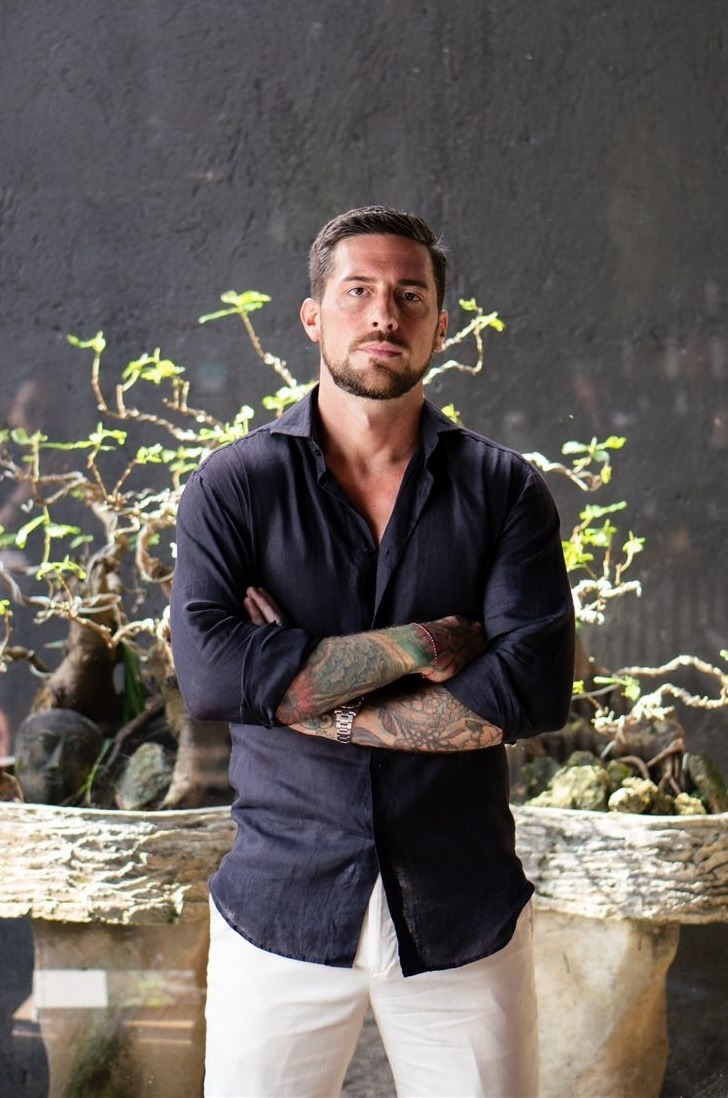
Duccio Calamai spent more than a decade in the operational engine rooms of Southeast Asian hospitality before founding Wrong Gym — and the skills he built managing large teams, complex logistics and real-time risk at one of Bali’s largest nightlife venues are, he argues, exactly what the region’s wellness industry has been missing.
Florence to Bali. Nightclubs to gyms. Not an obvious path.
Born in Italy and drawn to Southeast Asia through its hospitality sector, Calamai worked his way into senior operational roles in Bali’s entertainment industry — the kind of environment where the margin for error is narrow, the variables are constant and nothing about the evening runs itself. Regulatory compliance, staff coordination across large numbers, logistics that shift in real time: the demands are relentless in a way that most industries are not.
“Nightlife is operations at full volume,” he said. “You’re managing people, energy, logistics, and risk – often all at once.”
That pressure, it turns out, is transferable. When Calamai shifted focus toward wellness, he brought the same operational architecture with him — not the atmosphere, not the aesthetic, but the underlying systems that keep a complex people-facing business running at consistent quality. Wrong Gym, his Bali-founded concept, is built on that foundation: staff training frameworks, member experience design, retention strategy and performance measurement applied to fitness spaces that he believes the region has historically underbuilt.
“Wellness isn’t soft,” he noted. “It’s operationally demanding. Expectations are higher – people want consistency, cleanliness, professionalism, and results.”
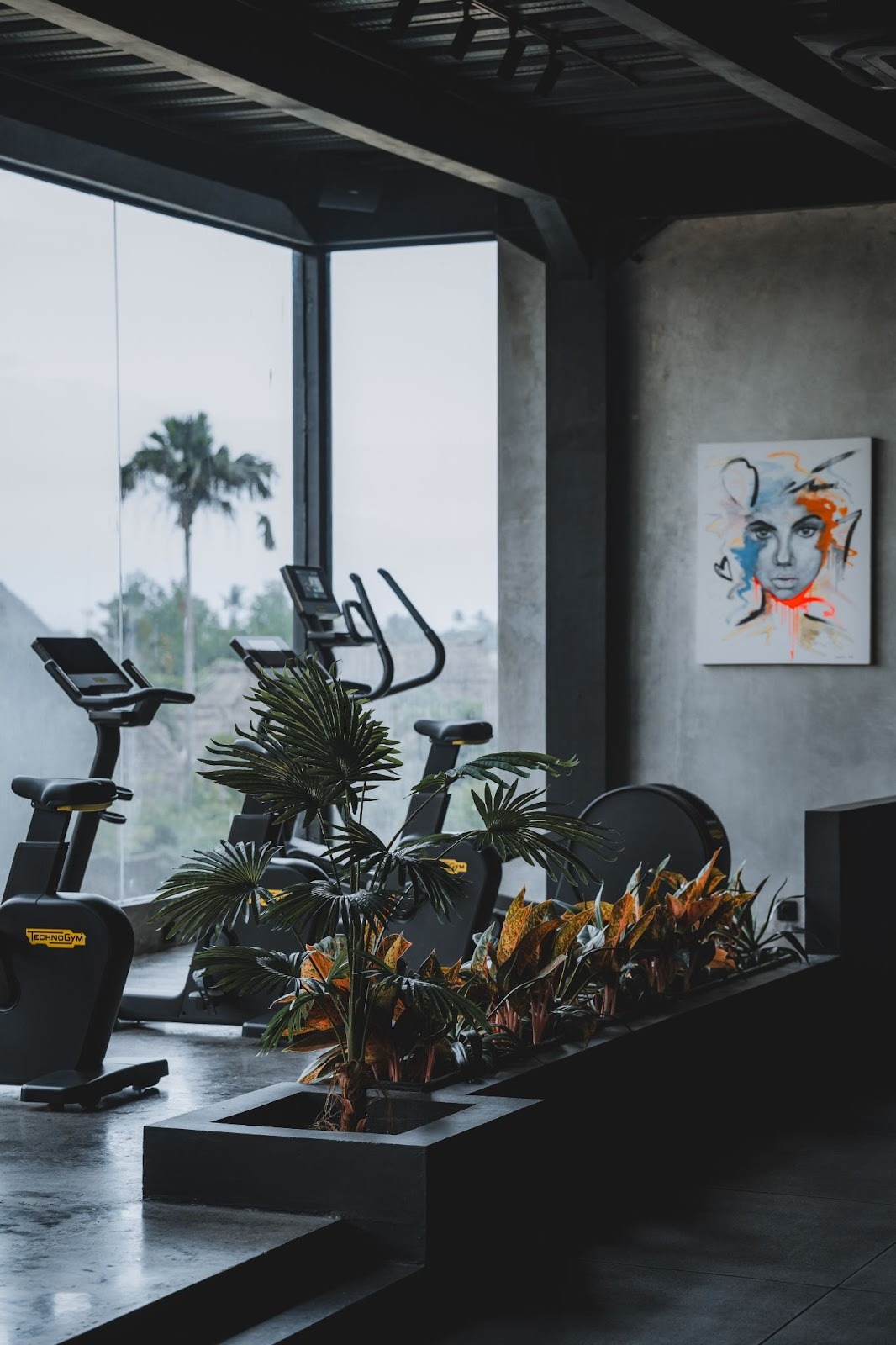
The name Wrong Gym — which the company does not explain publicly — signals something deliberate about Calamai’s positioning. A gym called Wrong is either a provocation or a promise, and in a regional market crowded with generic branding, the ambiguity is probably the point. What is clear from Calamai’s operational philosophy is that he is not interested in the category as it usually presents itself: aspirational decor, minimal systems, high churn.
What he is building instead is closer to a hospitality operation that happens to involve barbells.
That framing matters most in Southeast Asia, where the premium wellness market has grown rapidly across Bali, Bangkok and Singapore, but where the operational standards behind the aesthetic have often lagged. Calamai is direct about the structural problem. “You can’t copy-paste a gym model from Europe or Australia and expect it to work here,” he explained. “You have to understand how people actually use these spaces day to day.”
The adaptation he describes goes beyond surface-level localisation. Local talent dynamics, infrastructure realities, member behaviour patterns, regulatory environments — each market in the region has its own specific conditions that a system designed for a different context will not accommodate cleanly. Operators who overlook that, in Calamai’s experience, tend to discover it the expensive way.
The broader wellness market across ASEAN has attracted significant international investment and franchise expansion in recent years, with brands including F45, Pure Fitness and Absolute Studio competing across the region’s urban centres alongside local operators. The category is large and growing. Whether it is operationally mature is a different question — and it is the one Calamai has built his advisory work around as much as his own venue.
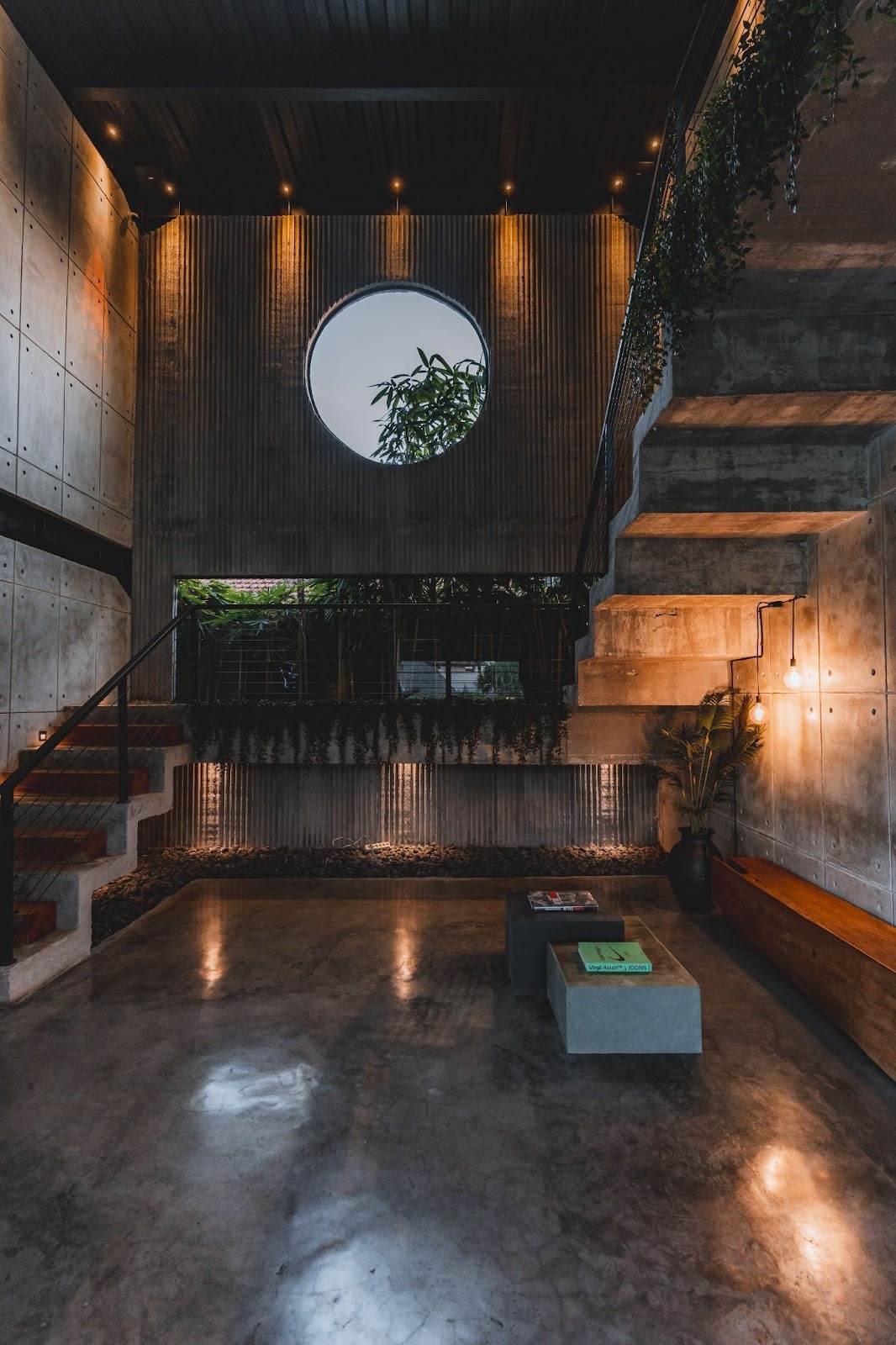
“The next phase is about operational maturity,” he said. “Less expansion for expansion’s sake. More focus on how well a space actually performs.”
That shift — from opening new locations to making existing ones genuinely perform — runs against the natural incentive structure of franchise models and venture-backed rollouts, where unit count tends to be the headline metric. Calamai is arguing for a different measurement framework, one more familiar to hospitality operators who have always lived and died by retention, repeat visits and floor-level execution rather than headline growth numbers.
Wrong Gym is based in Bali, with Calamai’s advisory work extending across the Southeast Asian region.
“Both industries rely on energy,” he said of the nightlife-to-wellness transition. “The difference is whether you’re burning it or managing it carefully.”
