
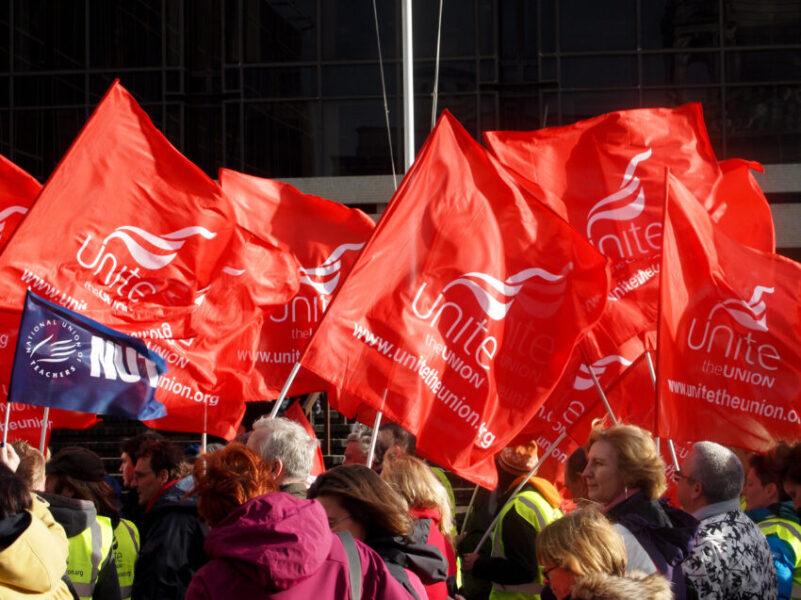

Amid rising economic challenges, Unite is advocating for a shift in taxation to address public sector needs.
Unite, one of the UK’s prominent unions, has proposed a 1% wealth tax targeting the super-rich to finance significant public sector pay rises and tackle NHS vacancies.
Unite’s proposition seeks to facilitate a notable 10% pay rise for public sector workers, a move designed to address long-standing pay disparities. The focus is not only on financial uplift but also on enhancing morale and retention within critical public services. The union’s proposal is expected to stir discussions at the upcoming Trades Union Congress conference in Brighton.
The suggested tax scheme reflects a strategic effort to prevent austerity measures by increasing public service funding. By targeting the wealthiest, it aims to promote economic equity and investment in vital services.
This sentiment is shared by other unions such as the RMT and Usdaw, advocating for similar wealth-based contributions to bolster public investment and social welfare.
As the conference approaches, expectations are that Labour will navigate suggestions and resistance from various union groups. This dynamic setting will test the party’s ability to merge progressive economic ideals with practical governance.
These calls for reform suggest an increasing tension between maintaining labour support and adhering to broader financial strategies, a balance Labour must carefully manage.
Labour’s approach will likely involve careful consideration of fiscal strategies that address union concerns without compromising economic stability. This balancing act is crucial in the lead-up to the party’s budget plans.
Should the wealth tax proposal gain traction, it could set a precedent for how the UK addresses wealth inequality. It presents a potential shift towards policies focused on equity and public investment initiatives.
The push for a wealth tax highlights growing discontent with existing fiscal strategies as unions demand substantial changes.
Unite’s proposal encapsulates a broader movement towards economic reform, aiming to both empower public sectors and ensure equitable financial distribution.

