
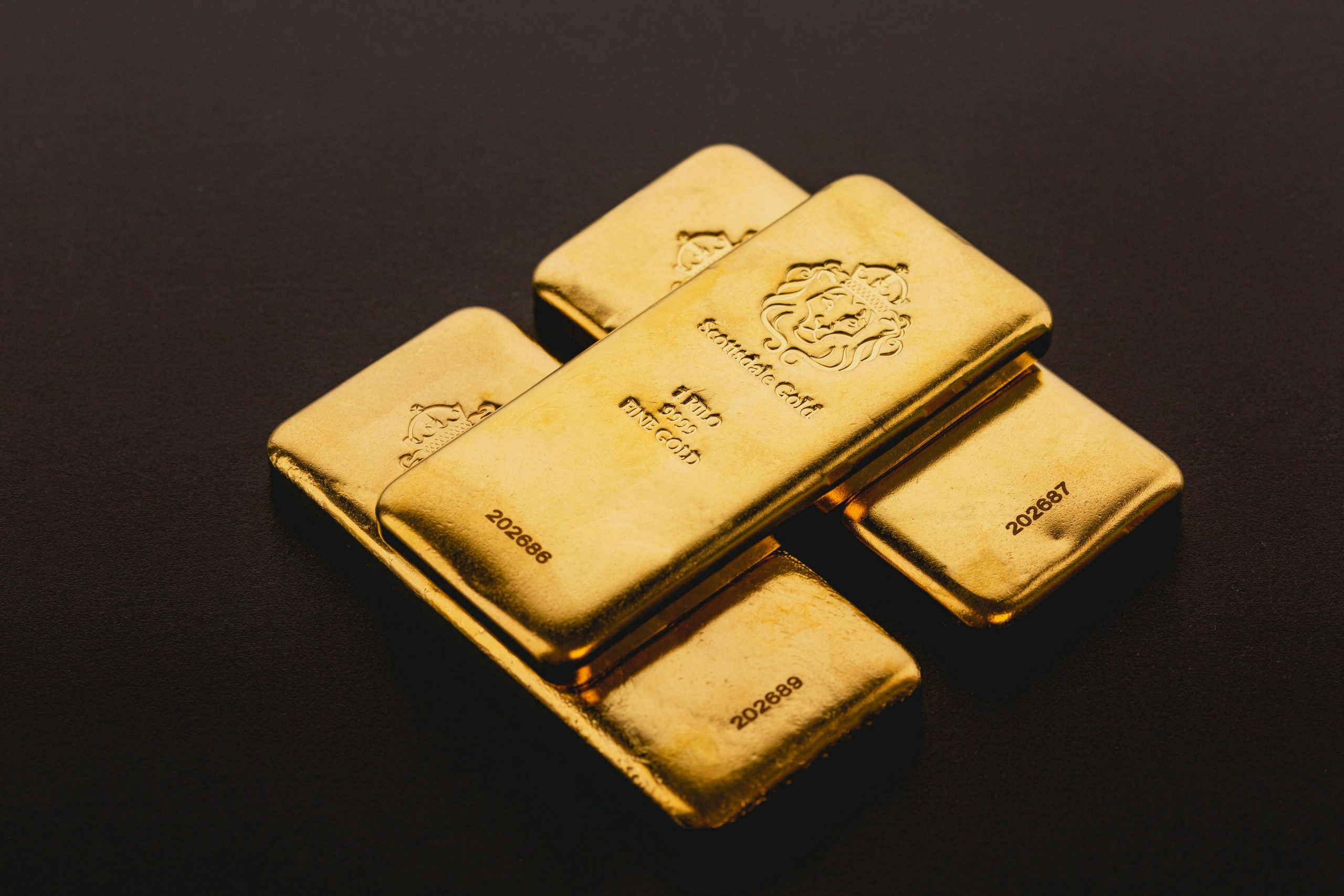

Gold gets the headlines. When markets wobble or inflation worries flare, it’s the gold price that leads the evening bulletins. But investors who only watch gold are reading one line of a much longer story. Silver, platinum, palladium and even copper each carry their own signal about industrial demand, monetary anxiety and where the cycle might be heading. Learning to read the whole complex — rather than a single metal — is one of the more useful habits a precious-metals investor can build.
Here is a practical framework for doing exactly that.
Start with the spot price — and know what it isn’t
The “spot price” is the benchmark wholesale price for immediate delivery of a metal, quoted per troy ounce. It’s the number that underpins everything else, but it’s worth being clear about what it represents. Spot is a wholesale reference, not the price you’ll pay at the counter. When you buy a coin or a bar, you pay spot plus a premium that covers fabrication, distribution and dealer margin. When you sell, you typically receive spot minus a spread. The gap between the two is the real cost of doing business in physical metal, and it widens or narrows with demand.
For paper exposure — ETFs, futures, mining equities — spot still matters, but the premium question is replaced by tracking error, management fees and, in the case of miners, company-specific risk. Either way, the spot price is your anchor. Everything else is measured against it.
Watch the relationships, not just the levels
A single metal’s price tells you less than the relationship between two. The most-watched is the gold-to-silver ratio — how many ounces of silver it takes to buy one ounce of gold. Historically this has swung widely, and many investors treat extremes as a rough signal: a very high ratio is sometimes read as silver being cheap relative to gold, and vice versa. It is not a crystal ball, but it is a useful lens.
Other relationships matter too. The gold-to-platinum ratio speaks to how the market is pricing monetary fear (gold) against industrial demand (platinum). Copper — “Dr Copper,” as traders call it — is less a precious metal than an economic thermometer, and its trend often hints at the health of global manufacturing before it shows up in official data. None of these ratios is predictive on its own, but together they sketch the mood of the market.
Look at the metals side by side
This is where a lot of investors trip up. Flicking between separate pages for gold, then silver, then platinum makes it almost impossible to see the complex as a whole — and it’s the whole that carries the signal. When silver is outrunning gold, or palladium is diverging from platinum, that contrast is the information. You only catch it when the numbers sit next to each other.
The practical fix is to track live spot prices across the major metals in one place, alongside the key ratios, so you can scan the entire board at a glance rather than reconstructing it from a dozen tabs. Watching gold, silver, platinum, palladium and copper together — with the ratios updating in real time — turns a collection of isolated quotes into a single, readable picture of the market.
Mind the regional premiums
Metals trade globally, but they don’t trade at a single price everywhere at once. Regional benchmarks can diverge meaningfully from the London or New York reference — the Shanghai market, for instance, has at times shown a notable premium or discount to Western spot, reflecting local supply, demand and currency effects. For most investors these spreads are a curiosity rather than a trading signal, but they’re a reminder that “the price of silver” is really a family of prices, and that physical tightness shows up regionally before it shows up globally.
Build the habit
You don’t need a Bloomberg terminal to follow the metals market intelligently. You need a consistent routine: check spot as your anchor, watch a couple of ratios for context, keep an eye on copper as a growth signal, and remember that the premium — not the headline price — is what you actually pay. Do that for a few weeks and the complex stops looking like noise and starts looking like a conversation between metals, each saying something slightly different about the same economy.
Gold will keep getting the headlines. But the investors who understand silver’s volatility, platinum’s industrial pulse and copper’s economic message are the ones reading the whole page — not just the first line.
This article is for general information only and does not constitute financial advice. Always do your own research or consult a qualified adviser before investing.
