

Firmus, the Nvidia-backed Australian AI data-centre operator, confirmed its IPO withdrawal on 8 October 2026, pulling what would have been the second-largest listing in the country’s history. The company cited weak investor demand and volatile markets.
At A$11 a share, the offering would have valued Firmus at roughly A$43.7bn ($30.6bn), according to Nikkei Asia, putting it behind only Telstra’s 1997 debut in Australian IPO history.
Board cites shareholders’ interests
Firmus told CNBC in an emailed statement that the terms on offer “did not accurately reflect the strength of its business and its long-term growth outlook.”
“The board therefore concluded that proceeding with the offer was not in the best interests of the company and its shareholders,” the company said, adding it will instead pursue capital from private markets and “consider alternative public and private market options.”
The retreat marks a sharp reversal for a deal that had been pitched as a landmark test of public appetite for AI-infrastructure assets. Nvidia (NASDAQ: NVDA) backed Firmus alongside Coatue Management, Blackstone (NYSE: BX) and Jane Street in an August fundraising round that valued the company at $10.5bn, according to Reuters. The IPO target of roughly $30.6bn would have been close to three times that figure within two months.
Demand dries up as price falls
Firmus had originally planned a larger share sale in late September, targeting a valuation near A$50bn before the offer was scaled back ahead of its collapse, according to Cryptopolitan. Founders and co-chief executives Oliver Curtis and Tim Rosenfield had been aiming for a $44bn valuation, but investors balked at the A$11 share price and broader concerns over AI-infrastructure valuations, ABC News Australia reported.
UniSuper, one of the country’s largest pension funds, opted out of the offering over concerns about Firmus’s reliance on repeated debt and equity raises to fund its expansion, according to Archyde.
The fallout spread to Firmus shareholders on the exchange. Shares in Maas Group (ASX: MGH), which holds a stake in Firmus, fell as much as 30% intraday and closed down 22.4% on 8 October after the withdrawal was announced, Archyde reported.
A second AI listing to falter
Firmus becomes the second major data-centre IPO to stumble within three weeks, a pattern that points to difficulty pricing AI-infrastructure assets in public markets, according to Futu News. Commentators have drawn comparisons with US operator CoreWeave, which faced similar valuation pressure earlier this year.
The backdrop includes a US rates picture that has done little to settle risk appetite. The gap between 10-year and 2-year Treasury yields narrowed to 0.47 percentage points on 8 October from 0.51 a session earlier, Federal Reserve data show, consistent with investors recalibrating how they price long-duration growth bets.
Firmus’s commercial ties to the AI build-out remain intact despite the IPO’s collapse. The company has agreements with Meta Platforms (NASDAQ: META) to supply GPU computing capacity from its Southeast Asian data centres, built on Nvidia’s DSX platform, to support Meta’s AI research and training, CNBC reported. Separately, Meta executive Javier Olivan filed a Form 4 with the SEC on 7 October, an insider filing unconnected to the Firmus decision.
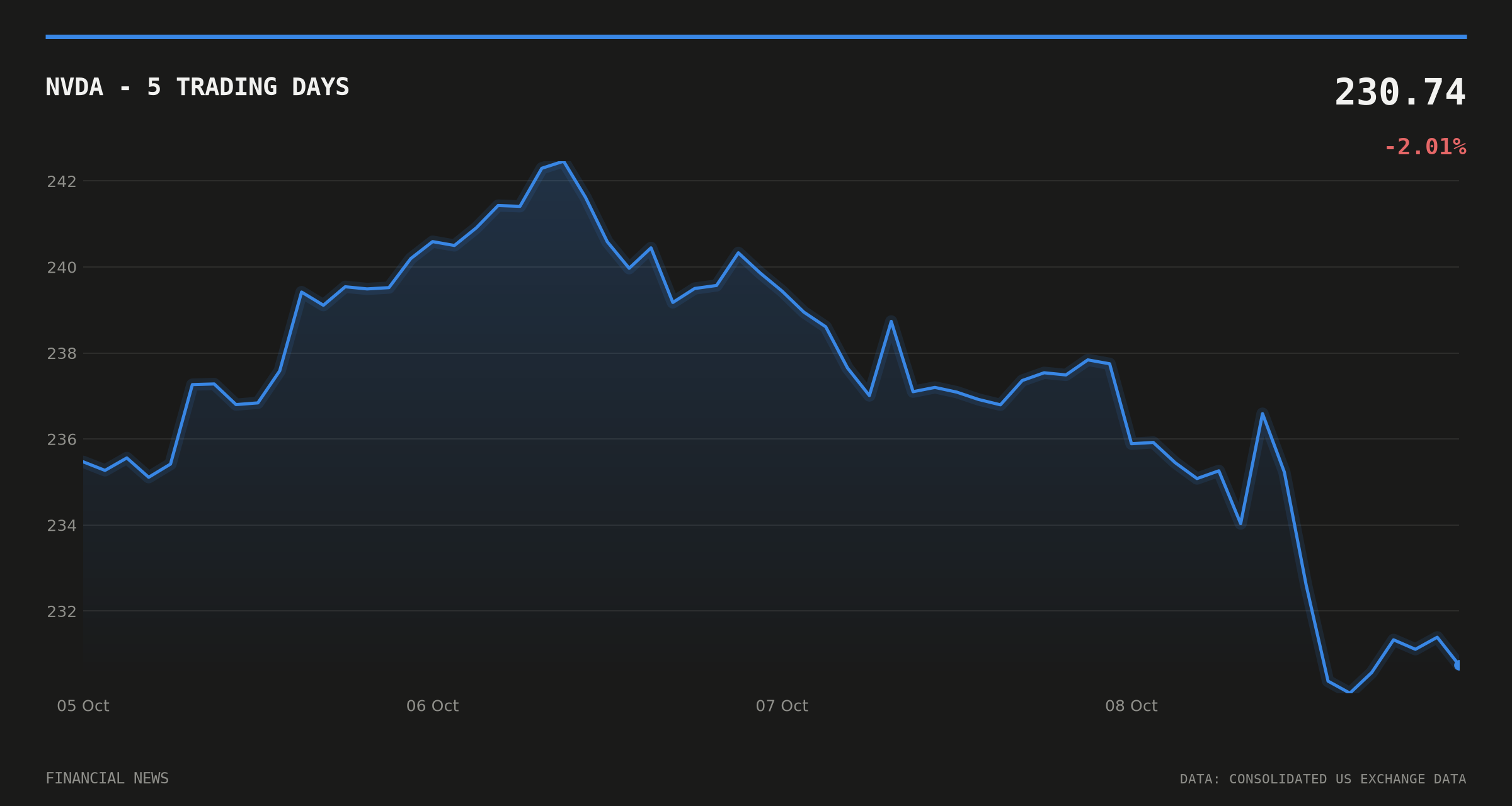
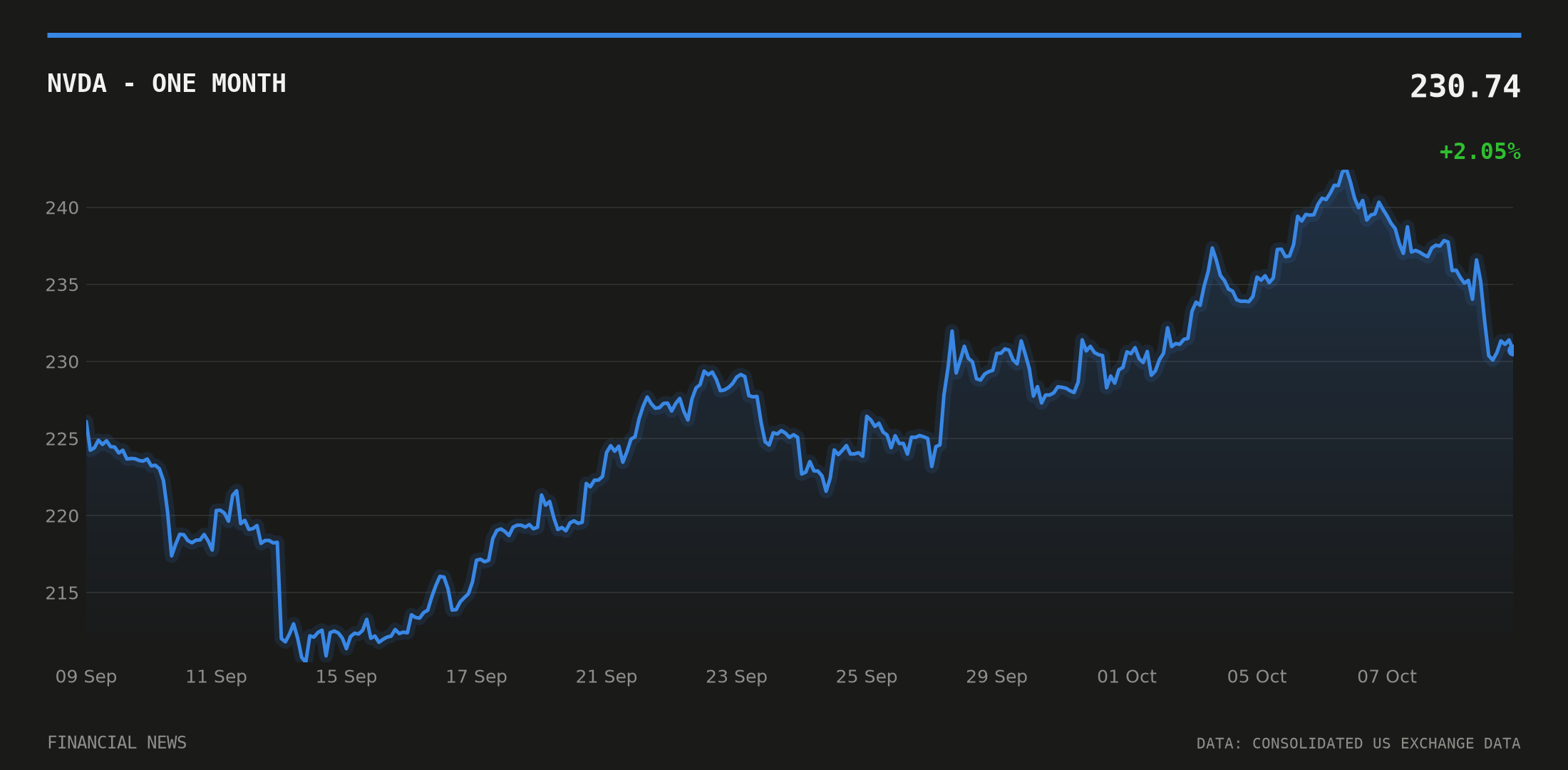
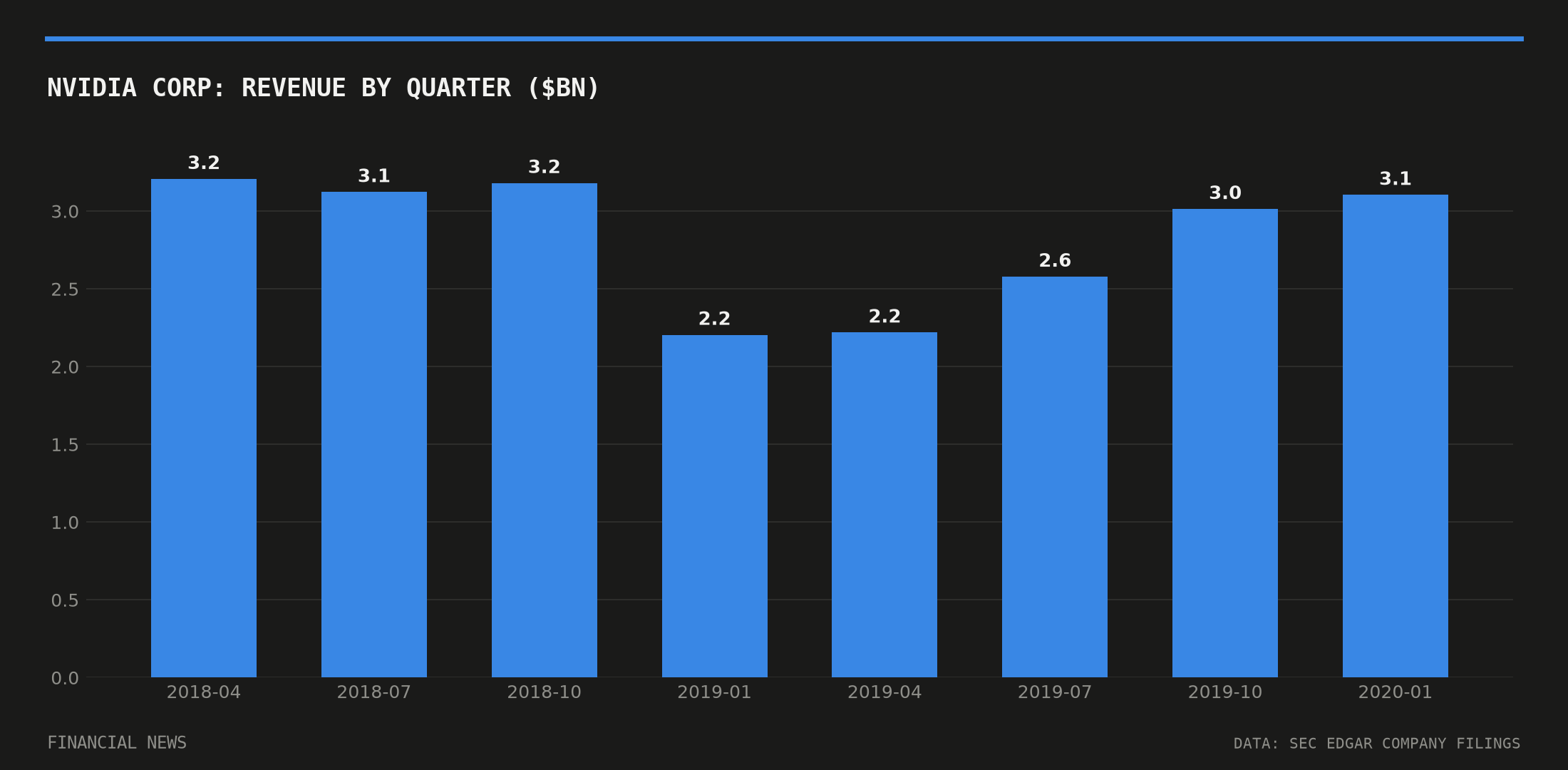
Nvidia’s own scale underlines why it can absorb such setbacks among the ventures it backs. The chipmaker’s quarterly net income has climbed from $14.88bn in its fiscal 2025 first quarter to $59.69bn in its fiscal 2027 second quarter, according to SEC filings. Nvidia shares closed down 0.8% at $230.74 on 8 October, having traded between $219.01 and $242.46 over the prior 20 sessions, consolidated exchange data show.
Firmus gave no timetable for a return to public markets. Its statement left open the possibility of “alternative public and private market options,” language that bankers will parse closely as other AI-infrastructure operators weigh their own listing plans.
This article is for information only and is not investment advice or a recommendation to buy or sell any asset. Markets move quickly; figures are correct as sourced at the time of writing. Always do your own research before making financial decisions.
