

Devon Energy (NYSE: DVN) agreed on 8 October 2026 to sell its Eagle Ford shale assets to Crescent Energy (NYSE: CRGY) for $4.2bn in cash, the companies said.
Crescent’s own regulatory filing tells a different story: an estimated net purchase price of approximately $3.85bn once customary adjustments are applied, according to its 8-K filed with the SEC.
The gap matters because it is the net figure, not Devon’s headline number, that several wires led with. RTTNews reported the deal as a $3.85bn transaction. Devon’s own release frames the $4.2bn as total consideration for an Eagle Ford asset sale it says is accretive to free cash flow and net asset value per share.
What Devon is giving up
The assets span roughly 90,000 net acres across Karnes, DeWitt and Gonzales counties in Texas, representing about 4% of Devon’s total barrels-of-oil-equivalent production, per the companies’ transaction materials. For Crescent, the package adds roughly 68,000 barrels of oil equivalent a day and more than 600 net drilling locations, according to World Oil.
Devon says after-tax proceeds will accelerate share buybacks and cut debt, lengthening its inventory life and lowering its corporate breakeven, OilPrice.com reported. The deal carries an effective date of 1 July 2026, and is expected to close around year-end, though Crescent’s own release points to the fourth quarter of 2026 or early 2027.
A same-day dilution the headline doesn’t capture
Crescent is not simply writing a cheque. The buyer launched an underwritten public offering of $1bn of Class A common stock the same day, to help fund the acquisition, a press release wire reported. KKR, which holds about 7.9% of Crescent’s Class A shares, committed to buy up to $500m of the new stock, Yahoo Finance UK reported, citing a BusinessWire statement.
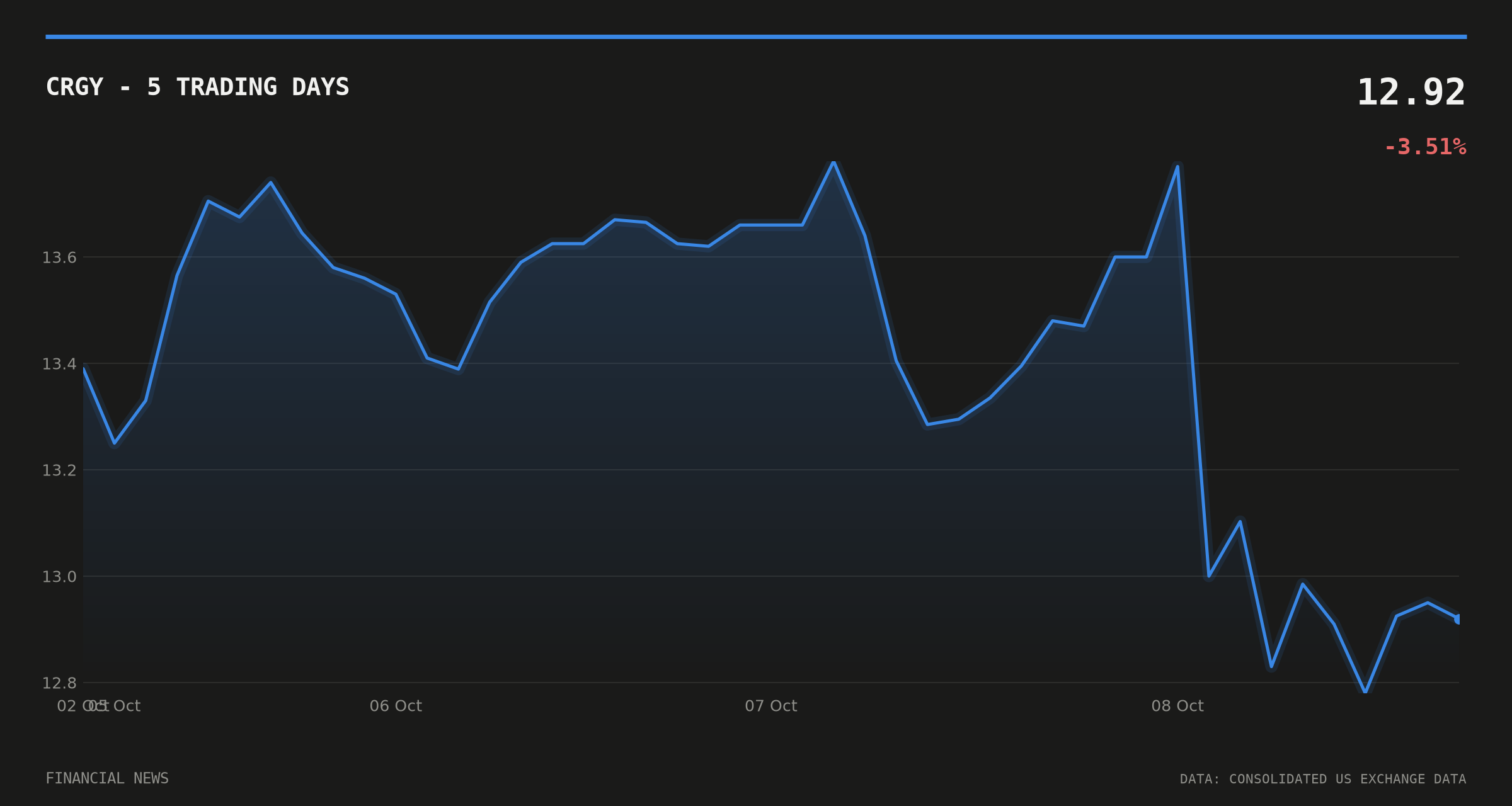
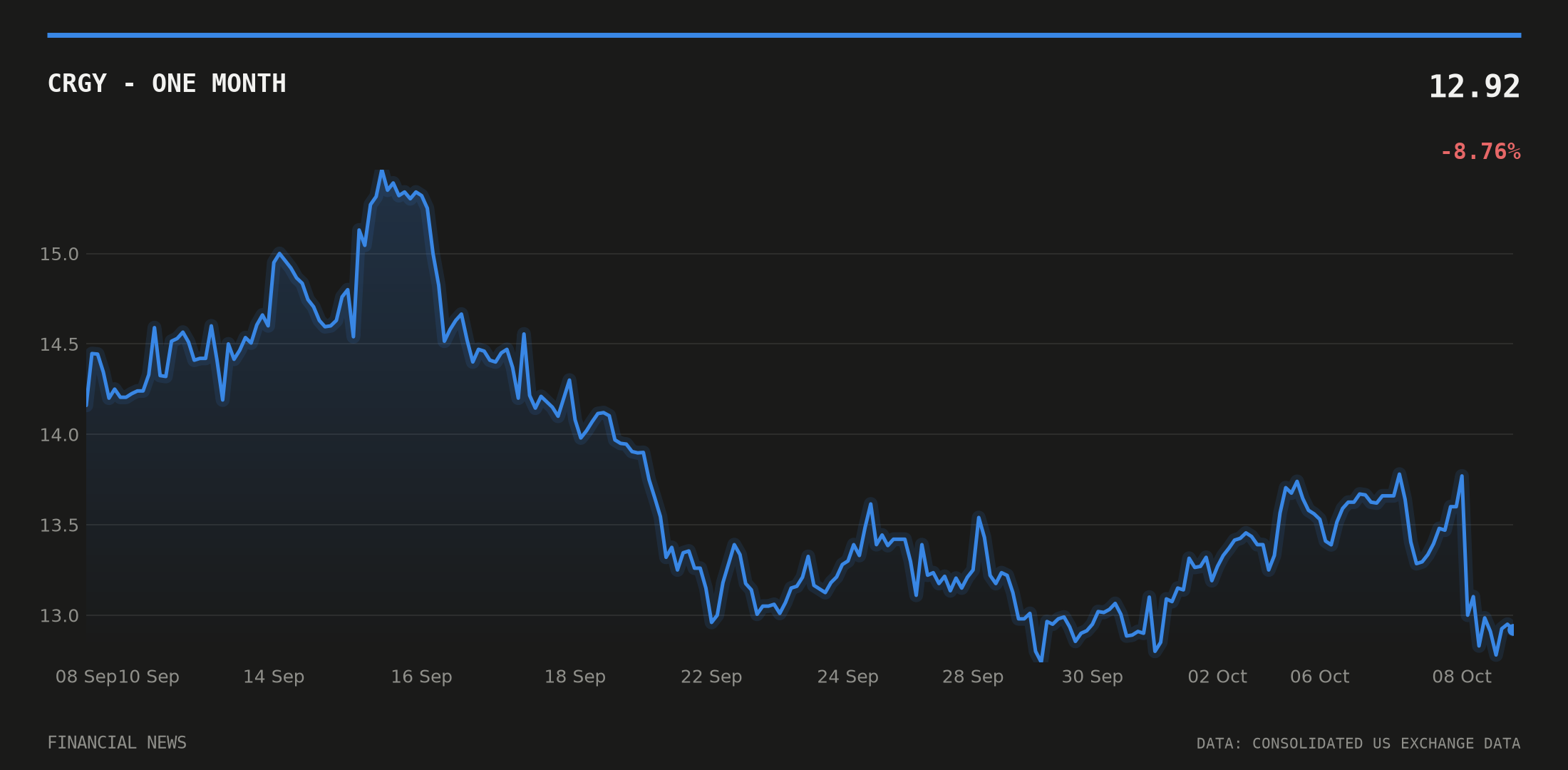
The market read the two events differently. Devon shares traded higher after the announcement. Crescent shares fell roughly 2.4% pre-market, Seeking Alpha reported, before closing at $13.085 on 8 October, down 0.13% on the day and 7.85% over 20 days, with volume running 2.46 times its 20-day average. The stock’s 20-day range sits between $12.74 and $14.30.
Crescent’s earnings swing ahead of the deal
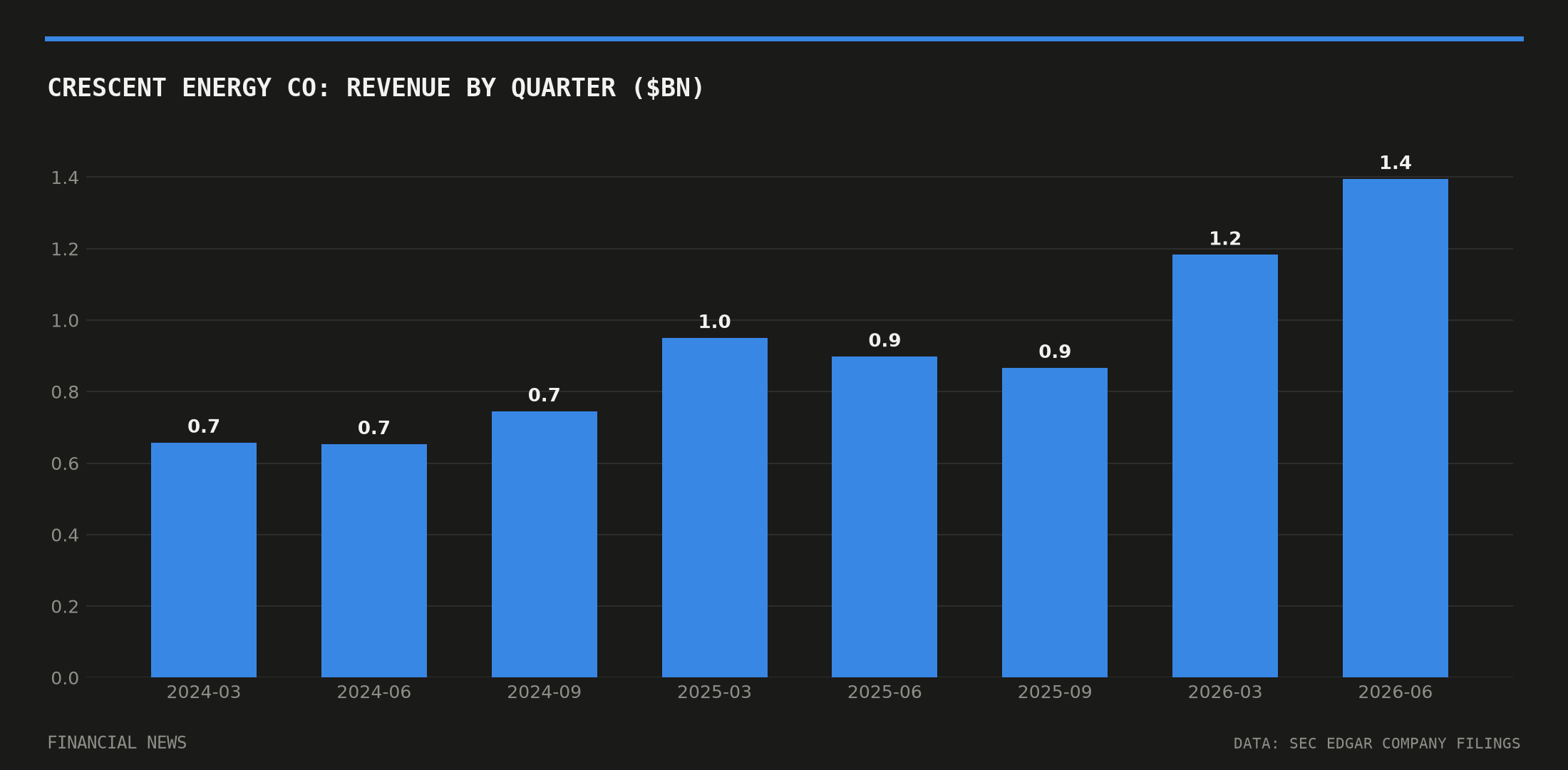
The acquisition lands as Crescent’s own results have swung sharply from quarter to quarter. The company posted a net loss of $419.8m in the first quarter of 2026, filed with its 10-Q on 4 May 2026, before rebounding to net income of $492.8m in the second quarter, disclosed in its 10-Q filed on 3 August 2026. Revenue over that period climbed from $1.18bn to $1.39bn, the filings show. The pattern of large swings is not new: Crescent reported net income of $153.2m in the second quarter of 2025 after a small loss in the first quarter, and a net loss of $9.5m in the third quarter of last year, according to its SEC filings.
FINRA daily short-sale data shows Crescent’s short ratio moving between roughly 0.42 and 0.72 in the weeks before the announcement, with no unusual spike flagged ahead of the news, FINRA figures show. The deal also lands against a backdrop of Treasury yields that remain elevated: the 10-year stood at 5.27% and the two-year at 4.79% as of 6 October 2026, according to FRED data, a rate environment that raises the cost of debt-funded energy deals even as this transaction is structured around cash and equity rather than new borrowing.
Devon has said it will provide further detail, including the impact on its outlook, alongside third-quarter results on 5 November 2026, with a call scheduled for the following day. Until then, the $4.2bn headline and the $3.85bn figure in Crescent’s own filing sit side by side, unresolved in the public record, while investors weigh the buyer’s dilution against the seller’s balance-sheet relief.
This article is for information only and is not investment advice or a recommendation to buy or sell any asset. Markets move quickly; figures are correct as sourced at the time of writing. Always do your own research before making financial decisions.
