
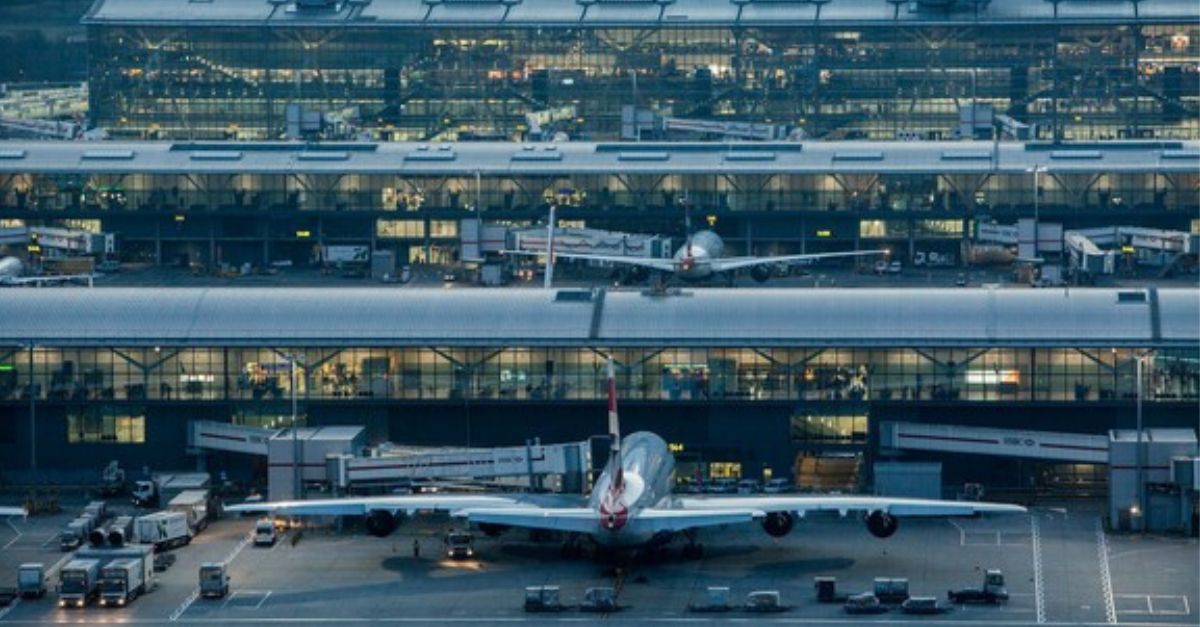

European airports achieved a significant milestone by surpassing 250 million passengers in August, showcasing resilience against various disruptions.
Despite numerous obstacles, this achievement highlights a robust recovery trajectory for the continent’s aviation sector, driven largely by international travel demand.
Passenger Traffic Growth Amid Challenges
European airports experienced a significant surge during the peak summer month of August, handling over 250 million passengers. This marked a 5.6% increase compared to the previous year, highlighting a robust rebound in air travel demand despite facing numerous geopolitical and economic challenges.
International passenger traffic was a key driver of growth, surging by 7.1%, while domestic travel saw a slight decline of 0.2%. This shift underscores evolving travel preferences and a stronger reliance on international connectivity.
Airport Performances in Key Nations
The United Kingdom and France were near full recovery levels, with UK airports experiencing a slight decline of 0.4% and French airports by 0.9%. Notably, London Heathrow retained its status as the busiest airport in Europe, surpassing Istanbul, Paris Charles de Gaulle, Amsterdam Schiphol, and Frankfurt.
In countries like Poland, Luxembourg, and Iceland, double-digit growth compared to August 2019 was observed, with increases of 25.5%, 25.4%, and 21.1% respectively. These figures illustrate a strong post-pandemic recovery in select markets.
Impacts of Geopolitical Conflicts on Air Traffic
Geopolitical tensions have led to stark declines in passenger numbers in specific regions. Airports in Ukraine have faced total cessation of passenger traffic for 30 months due to ongoing conflicts, a severe impact.
Russia and Israel also witnessed significant downturns in passenger volumes, with declines of 12.9% and 43.5% respectively. This reflects the broader impact of political instability on regional air travel.
Such challenges highlight the fragility of air travel markets in conflict zones and the importance of geopolitical stability for the aviation industry’s recovery.
Economic and Environmental Considerations
Economic factors and environmental considerations play critical roles in the aviation sector’s current landscape. Rising airfares and air traffic management issues continue to pressure European airports.
Olivier Jankovec, the director general of ACI Europe, emphasised the integral role of air travel in European lifestyles. He called for improved policies at both EU and national levels to support sustainable aviation growth.
Noteworthy National Growth and Declines
Several European nations recorded remarkable air traffic growth exceeding pre-pandemic levels in August 2019. Poland and Luxembourg, with growth rates over 25%, exemplified this upward trend.
Italy, Cyprus, and Portugal also saw notable increases, underscoring a resilient return of tourism in Southern Europe.
In contrast, Finland and Slovenia faced declines exceeding 20%. These figures indicate varied recovery trajectories and regional disparities in air travel recovery.
The Role of Policy and Regulation
Policies and regulation continue to shape the future of European aviation. ACI Europe advocates for effective policymaking to ensure the sector’s sustainable growth, with emphasis on decarbonisation and operational efficiency.
The director general highlighted unresolved issues, such as Dublin Airport’s passenger cap and French tax policies, urging revisions for future sector prosperity.
Long-Term Industry Outlook
The aviation industry’s long-term outlook remains optimistic but cautious. Stakeholders are urged to address existing challenges collaboratively, to pave the way for sustainable growth and enhanced connectivity within Europe.
The summer’s achievement underscores the integral role of air travel in connecting Europe. Addressing ongoing challenges and implementing strategic policies will be crucial for sustaining this growth trajectory.

