
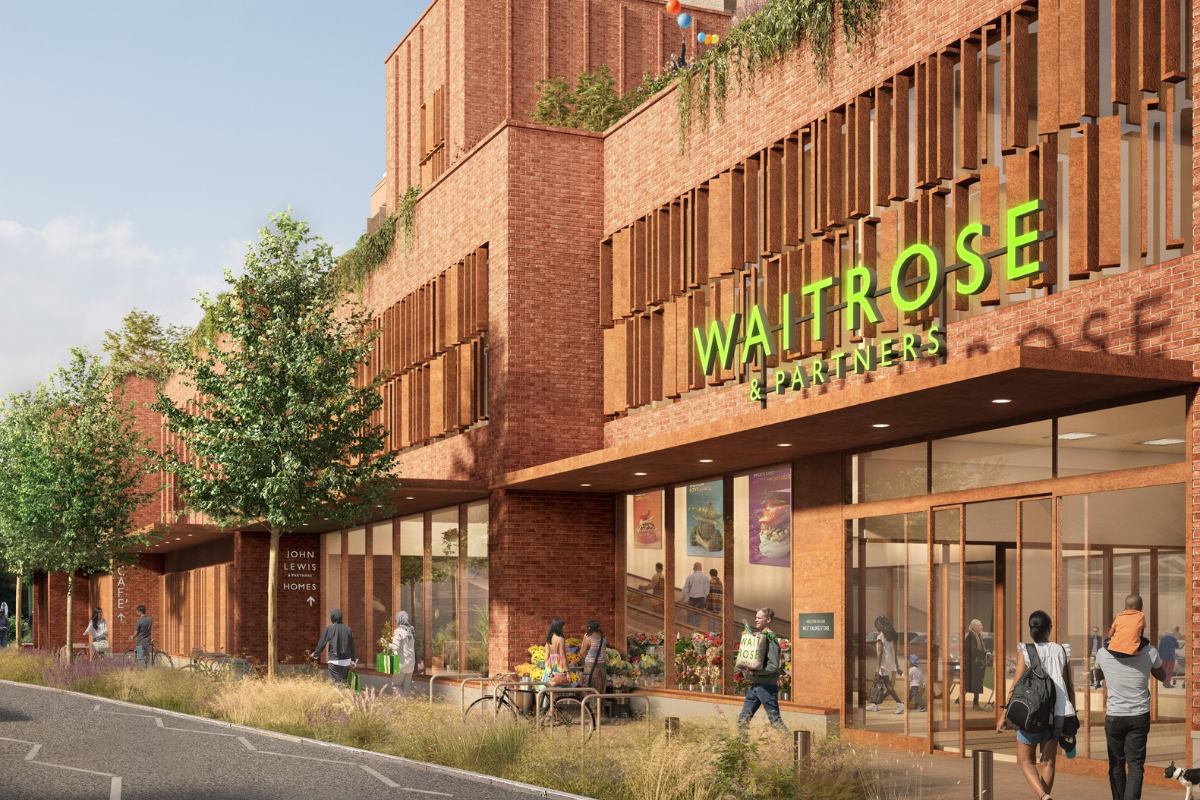

John Lewis Partnership has initiated an appeal to expedite the planning approval process for a significant housing development above its Waitrose outlet in West Ealing, London.
Having waited for nearly a year without a decision, the retailer seeks intervention for the planning application concerning over 400 proposed homes. These developments are designed to integrate community spaces, aiming for completion by 2029.
Appeal for Non-Determination
John Lewis Partnership has embarked on a planning appeal due to ‘non-determination’ by Ealing Council. The initial application, submitted nearly a year ago, remains undecided. The proposed project includes 428 residences, showcasing a commitment to creating 83 affordable rental homes. The appeal’s outcome is intended to bring clarity and enable construction to commence by late 2025.
The development aims to optimise under-utilised brownfield sites, integrating more than 36,500 square feet of green spaces alongside fitness, work, and social areas. This initiative is expected to deliver substantial community benefits, aligning with broader housing needs and local investment priorities.
Commitment to Housing Expansion
Katherine Russell, JLP’s director of build-to-rent, emphasised the acute need for housing, acknowledging cross-party political support for such investments. The appeal underscores JLP’s strategic focus on leveraging brownfield land near the Crossrail station, recognised for its potential to boost economic activity.
Russell stated firmly, “Our proposals will create hundreds of homes at a time when all political parties agree there’s a desperate need for more housing and local investment.” These plans are viewed as a major step in addressing housing shortages while committing to sustainable community development.
Strategic Partnership and Economic Impact
James Dunne from Abrdn confirmed that the joint venture with JLP is central to their strategy of developing necessary rental housing. This collaboration, supported by a £500 million investment, reflects a deep-rooted commitment to enhancing rental housing availability in key locations.
Dunne highlighted, “We remain fully committed to our strategy of creating thousands of critically needed quality rental homes alongside John Lewis Partnership.” This partnership is structured to address demand in the housing market, with a focus on delivering high-standard accommodation.
Community Engagement and Development
John Lewis has pledged continued collaboration with the local council and community stakeholders to ensure the project’s alignment with social and charitable goals. This approach is intended to fortify community relations and maximise the redevelopment’s social benefits.
Engaging in dialogue with local entities, John Lewis aims to integrate community feedback into the development process, ensuring its initiatives support regional growth and community well-being.
Navigating Bureaucratic Challenges
The challenge of non-determination presents a bureaucratic hurdle that John Lewis aims to overcome through its appeal. This situation highlights the complexities of navigating planning processes in urban development projects.
Such delays can impede progress on critical housing projects, necessitating strategic appeals to ensure that proposed developments are evaluated and approved in a timely manner.
Prospective Outcomes and Timeline
If successful, the appeal will hasten the project timeline, allowing construction to begin as planned by late 2025, with project completion targeted for 2029. This expedited process is crucial for meeting housing demand in the West Ealing area.
John Lewis remains optimistic about the appeal’s outcome, anticipating that it will pave the way for significant local investment and development.
A Vision for Sustainable Growth
The proposed housing project represents a vision for sustainable urban growth, balancing residential needs with ecological considerations. Its integration of green spaces underscores a commitment to environmentally responsible development.
John Lewis Partnership’s appeal signifies a strategic move towards addressing housing shortages while fostering urban development in West Ealing. The outcome of this appeal will play a pivotal role in determining the project’s future, potentially setting a precedent for similar developments.
