

Netlist (OTCQB: NLST) and Micron Technology (NASDAQ: MU) have entered into Patent License and Settlement Agreements, the companies announced on 6 October 2026.
The deal is worth $600m, paid as $30m a quarter over 20 quarters from the fourth quarter of 2026 through the third quarter of 2031, according to Netlist’s filing with the SEC.
The agreements settle and mutually release all pending legal proceedings between the two companies, the filing states. Micron receives a five-year, worldwide, non-exclusive licence to Netlist’s entire patent portfolio, covering server DIMM and high-bandwidth memory technology.
Reuters independently confirmed the $600m figure and the quarterly payment structure. The settlement follows a $445m jury verdict Netlist won against Micron in Marshall, Texas, in 2024, and a fresh complaint Netlist filed at the US International Trade Commission in September 2026 seeking to block imports of Micron chips used in Google, Nvidia and Broadcom products.
Equity stake sits beneath the headline number
The press release’s lead paragraph does not mention it, but Micron also agreed to buy 10 million Netlist shares for $1m, under a Securities Purchase Agreement with a five-year lock-up, the 8-K filing shows. The stake is small next to the $600m licence fee, but it ties Micron to Netlist’s share register for the life of the licence term.
Netlist shares closed up roughly 18% on the day of the announcement, near a 52-week high of $7, according to Stocktwits.
Second big settlement this year
Micron is not the first major memory maker to convert a courtroom loss into a royalty stream with Netlist. In August 2026, Samsung agreed to pay Netlist an upfront licence fee of $239m plus quarterly payments of up to $32.9m for 20 quarters through the second quarter of 2031, under a revenue-based formula, Netlist’s 8-K disclosed. South Korean press has valued that Samsung package, including the upfront fee and the full run of quarterly payments, at up to roughly $897m over five years, according to KED Global.
Netlist’s two largest memory-chip adversaries have now both settled multi-year litigation with ongoing royalty arrangements rather than one-off payouts, a structure that gives the smaller company a visible revenue line stretching into 2031.
From losses to profit
The licensing income has already shown up in Netlist’s own numbers. The company’s net income swung from a run of quarterly losses — including a $9.4m loss in the third quarter of 2024 and a $7m loss as recently as the third quarter of 2025, according to SEC filings — to profitability in 2026, with net income of $8.6m in the first quarter and $1.4m in the second quarter, Netlist’s 10-Q filings show. Diluted earnings per share moved from a loss of 7 cents in early 2024 to a 3-cent profit in the first quarter of 2026, before easing to break-even in the following quarter.
That turnaround coincides with the timing of the Samsung settlement inflows, which preceded the Micron agreement by roughly two months. Quarterly losses as large as $17m were recorded as recently as early 2024, underlining how recent the shift to profitability has been for a company that spent years funding patent litigation out of a shrinking balance sheet.
Wider market backdrop
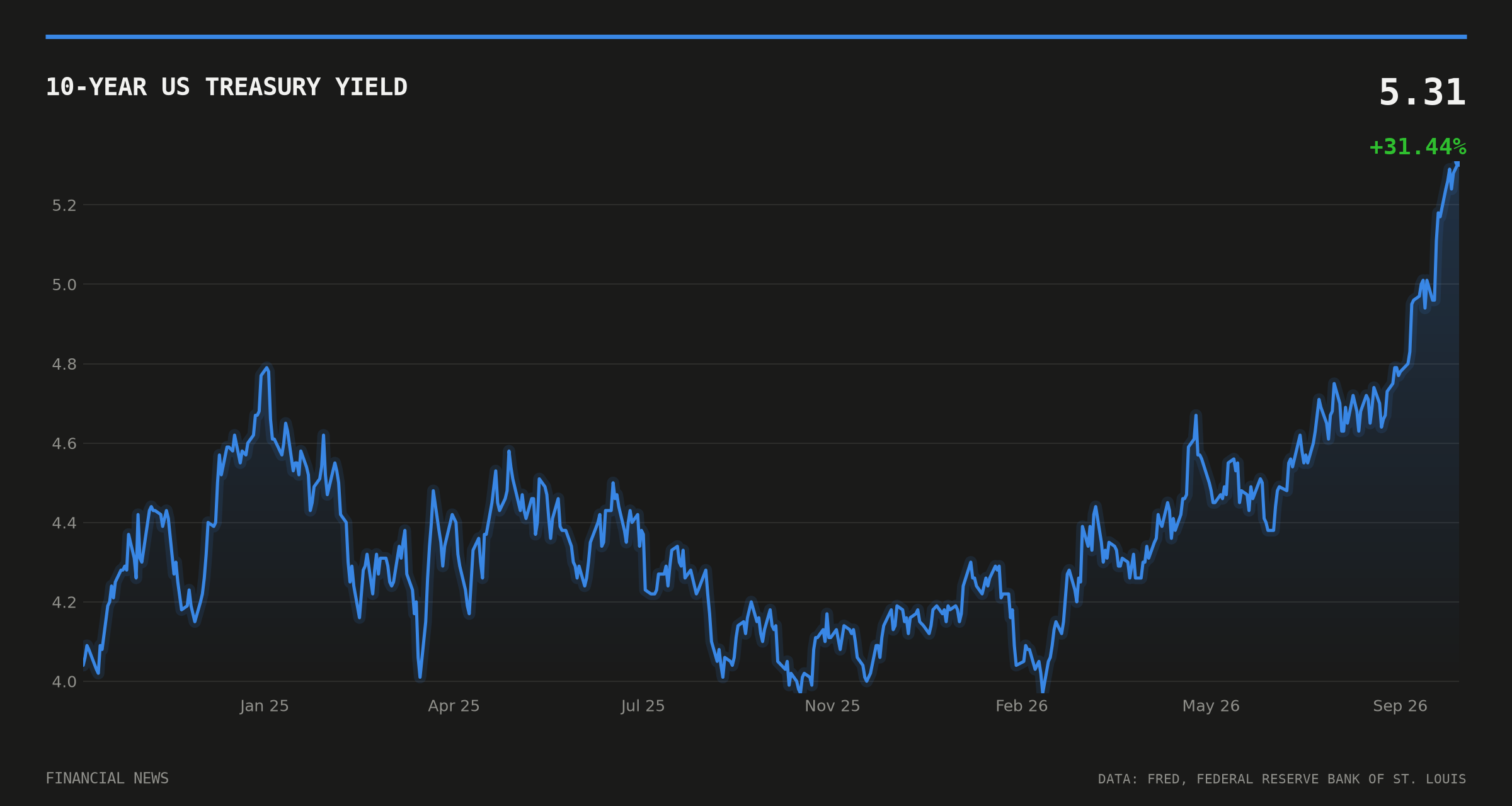
The settlement lands against a steady macro backdrop. The 10-year US Treasury yield stood at 5.31% on 5 October 2026, little changed from 5.28% a day earlier, Federal Reserve data show, while the 2-year yield held at 4.84%. The yield curve, measured by the 10-year/2-year spread, remained positive at 0.48 percentage points. US unemployment was 4.2% in September, up from 4.1% a month earlier, and consumer prices rose to an index level of 334.1 in August from 332.8 in July, according to the Fed’s FRED database.
None of that macro data bears directly on the Netlist-Micron settlement, but it frames a semiconductor sector where memory pricing and litigation costs are being weighed against a steady, if unspectacular, US rate environment. Shares across the chip sector, including those tracked by the SOXX and SOXQ indices, trade against that same backdrop of stable yields and a labour market cooling only gradually.
What happens next for Netlist depends partly on its pending ITC complaint against Micron over chips used in Google, Nvidia and Broadcom products, filed in September 2026 before the settlement was reached. Whether that complaint is withdrawn as part of the broader release of claims, or proceeds on a separate track, has not been addressed in the companies’ public filings.
This article is for information only and is not investment advice or a recommendation to buy or sell any asset. Markets move quickly; figures are correct as sourced at the time of writing. Always do your own research before making financial decisions.
