

Warren Buffett occasionally and cautiously makes a certain type of admission. He admitted his error to shareholders at the 2017 Berkshire Hathaway annual meeting in Omaha. Not in anything he purchased, but in something he didn’t. Because GEICO, Berkshire’s insurance company, was paying $10 or $11 per click for search ads on the platform, he was familiar enough with the company to have seen Google’s stock price rise year after year. He was aware of the economics. He simply did nothing. Before Berkshire eventually purchased its first share in the third quarter of 2025, the stock continued to rise by about 9,000%.
Understanding Greg Abel’s past is crucial to comprehending his actions since becoming CEO. Regarding Alphabet, Abel has shown no caution. Buffett and Abel have invested over $20 billion in the stock since Buffett started the position, increasing Berkshire’s ownership by 83% in just the second quarter of 2026. With roughly 106 million Alphabet shares valued at approximately $37.9 billion, Berkshire currently has the third-largest equity holding in the portfolio, only surpassed by Apple and American Express. Just that ranking conveys something. Top-three spots are hard to come by at Berkshire.
A $10 billion private placement that was announced in early June at a 6.5% discount to market price served as the focal point of the recent buildup. Alphabet was raising additional funds to support its massive AI infrastructure push. This year, the company intends to spend about $200 billion on capital expenditures, including the construction of data centers and the installation of AI servers and specialized chips. In essence, Berkshire entered the market at a discount to assist in funding that expansion. If the returns on those data centers are even close to forecasts, it’s difficult to ignore how tidy that entry appears from a pure capital allocation perspective.
It becomes interesting at that point. Without taking into account the longer-lasting data center structure itself, Google Cloud CEO Thomas Kurian has publicly stated that the average payback period on new servers is less than two years. Google’s own AI chips, known as the company’s custom TPUs, pay back in about half the time. Alphabet has a level of demand visibility that most companies would be jealous of, thanks to five-year contracts that lock in major clients and a two-year lead time on data center construction. This scenario fits fairly well with Buffett’s stated investment framework, which calls for deploying capital at returns that are significantly higher than the risk-free rate. On the surface, the math appears to be favoring Alphabet.
It’s important to take a step back and consider how this investment will affect Berkshire’s operations. Prior to Q2 2026, Berkshire had been a net seller of stocks for 14 consecutive quarters. The amount of money had increased to a record $397.4 billion. In Omaha, there was a lot of patient waiting.
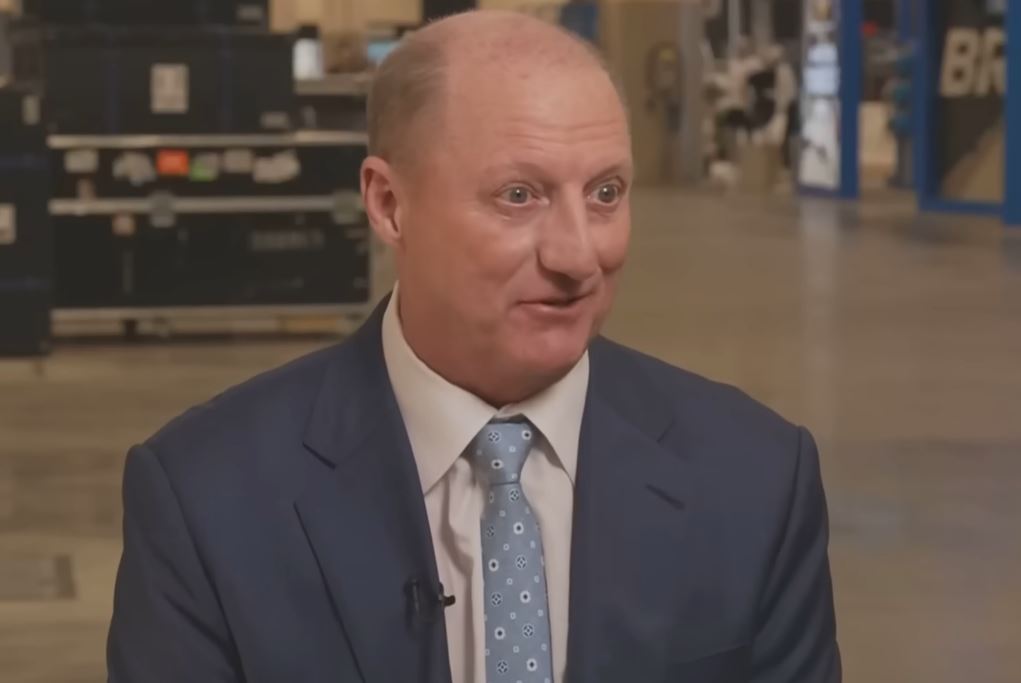
The company then spent almost $20 billion in net stock purchases in a single quarter, with Alphabet receiving the biggest portion, and the cash balance dropped to $365.5 billion. Although the direction of travel has obviously changed, that is still a huge reserve. Abel is investing money, and he’s doing it in technology, which Buffett has traditionally done with considerable reluctance.
The Greg Abel Berkshire Hathaway Alphabet investment is worth keeping an eye on over the coming years more for what it says about Abel’s investing style than for whether Alphabet’s AI bets pay off, which seems likely at some scale. Buffett established Berkshire based on patient ownership of dependable, long-lasting companies, such as consumer brands with pricing power, utilities, railroads, and insurance.
As part of the investment thesis, Abel appears to be maintaining that foundation while adding a new layer on top that acknowledges increased capital intensity and quicker technological change. It’s really unclear if that turns out to be expansion or drift. However, for the time being, the wager on Alphabet appears to be a thoughtful choice rather than a chase because it was made at a discount, supported by actual cash returns, and held within the same long-term framework Berkshire applies to everything.
