

After a negotiation fails, there’s a certain silence, and Ottawa had plenty of it late on a Friday nite in August. The negotiators for Mark Carney packed up and left for home. No joint statement, no photo op, no handshake. Hours after the deal’s abrupt termination, 50% American tariffs were imposed on Canadian goods valued at about $20 billion.
This can easily be reduced to just another chapter in the ongoing trade drama involving Donald Trump. However, something different is taking place here; it feels less like posturing and more like a real breakup between two nations that have spent decades acting as though their economic union was unbreakable.
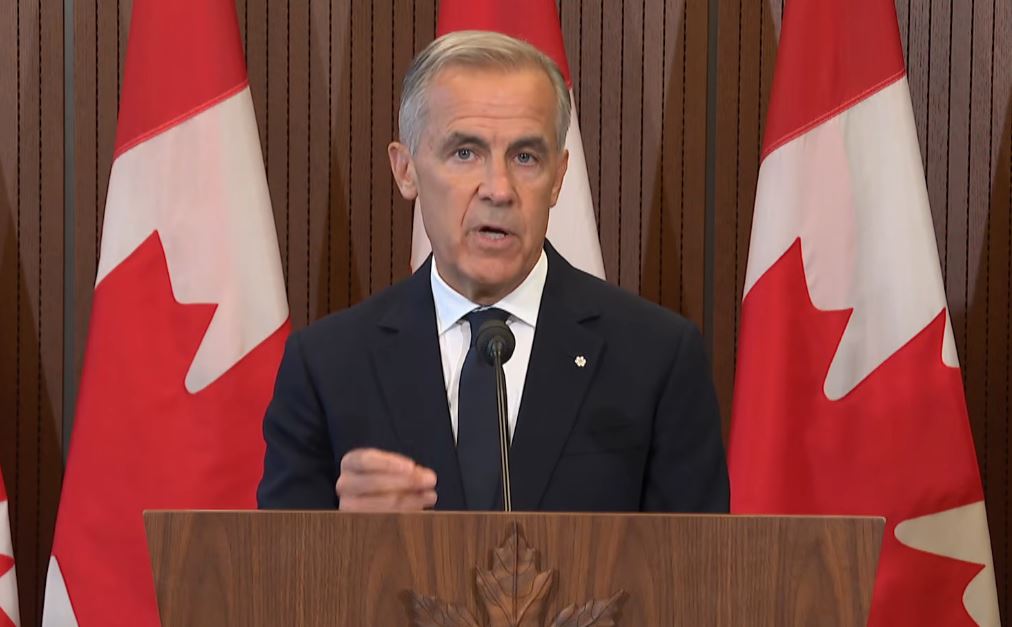
Carney didn’t hold back. He told reporters on Parliament Hill, “They asked too much and they offered too little,” as he stood in front of Canadian flags in a room that had seen far more joyous declarations. The prime minister, a former central banker with no reputation for showmanship, described the collapse as a “miscalculation” and claimed that Canada had been “attacked.” From a man whose career was built on measured, technocratic caution, that is strong language.
It’s still not entirely clear what killed the deal, and it probably never will. Different stories are told by each side. The Americans claim that Canada withdrew earlier commitments and made last-minute demands. Carney maintains that Washington was the one who attempted to sneak in restrictions, limiting Canada’s capacity to enter into trade agreements with other nations, eroding language and cultural protections, and reducing relief for cars made in Canada. Given that negotiations at this level seldom break down over a single issue, it’s possible that both accounts contain some truth.
The list of products that are currently subject to tariffs is noteworthy. hockey sticks. depressors of the tongue. Maple goods. clothing, wine, dairy, and cement. It is almost unbelievable to read, a bizarre inventory of routine international trade that has been abruptly turned into a weapon. Taxing tongue depressants as a matter of national policy has an almost charming quality, but that’s where things ended up.
In response, Carney pledged to match the US actions on steel, dairy, appliances, and electronics with dollar-for-dollar retaliation beginning on September 8. No one can yet confidently respond to the question of whether that genuinely protects Canadian workers or merely exacerbates suffering on both sides of the border.
Canada’s internal politics have their own narrative. This time, Doug Ford, who is never afraid to criticize Ottawa, supported Carney by stating that Trump “can’t be trusted.” The Conservative leader who has been criticizing the Liberal government for years, Pierre Poilievre, even referred to the new tariffs as “unjustified.” Such a cross-party agreement is uncommon in Canadian politics and indicates a change in the nation’s perception of its neighbor.
Here, too, there is a more general pattern to be aware of. Since taking office again, Trump has made several references to Canada becoming the “51st state,” and his most recent statement that Canada desires “the benefits of being a state, without being one” falls into that category. Canadians are tired of hearing this kind of rhetoric, and it might be hardening rather than softening Ottawa’s resolve.
It’s genuinely unclear if this will result in a long standoff or a renegotiated agreement. Rebuilding trust following an allegation of being “attacked” requires more than a phone call, and trade relationships this deeply integrated rarely end smoothly. For the time being, factories on both sides of the border are left to wait to see how much of this conflict represents something more permanent and how much is just temporary leverage.
