

The number has a quality that is nearly impossible to fully comprehend. A sitting president who once referred to Bitcoin as a “scam” and a “disaster waiting to happen” earned over $1.4 billion in cryptocurrency revenue in a single year. That was in 2021. Apparently, a lot can change.
When Donald Trump’s 2025 financial disclosure—nearly 927 pages submitted to the U.S. Office of Government Ethics—arrived in June of last year, Wall Street, Washington, and the larger cryptocurrency community were all shocked. This particular billionaire holds the Oval Office, not because cryptocurrency billionaires are uncommon these days.
The digital asset company World Liberty Financial, which his sons and the family of Trump’s special Middle East envoy Steve Witkoff helped start in late 2024, was the largest single contributor to Trump’s cryptocurrency earnings in 2025. According to the agreement, the Trump family will receive 75% of each dollar the business makes from token sales. That totaled about $550 million in reported revenue from token sales alone last year, plus an additional $260 million from the sale of business interests. In contrast, he reported earning slightly more than $57 million from World Liberty tokens in 2024. It’s difficult to exaggerate the jump.
The memecoin industry is another. Days before his inauguration in January 2025, Trump introduced his $TRUMP coin, which caused controversy in ethics circles. He reportedly made over $635 million last year from memecoin royalties and licensing deals through his digital asset company, CIC Digital. It’s an astounding number, and it stands in stark contrast to another industry estimate that suggests about two million $TRUMP holders are currently losing billions of dollars on their investments.
All of this could be seen as just a market rewarding people with strong branding and first-mover access, just like markets do. Regardless of one’s political stance, Trump’s name has significant commercial value in some areas. Demand naturally followed when he linked that name to a cryptocurrency token.
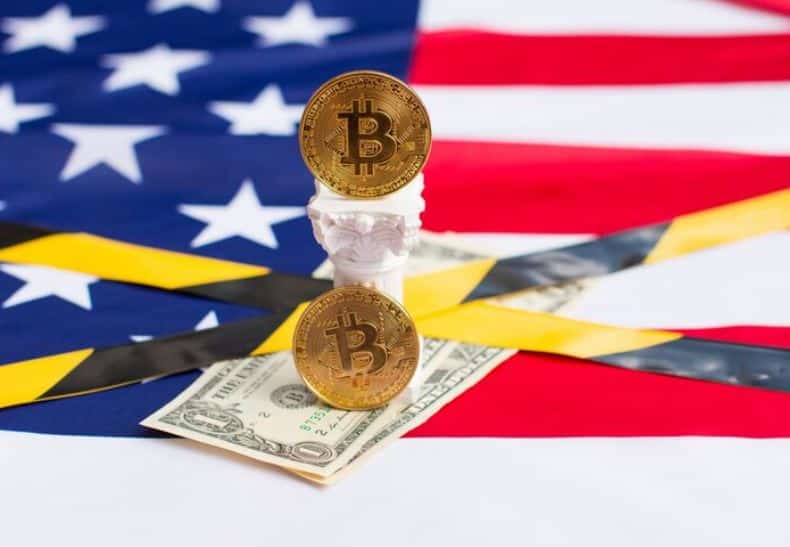
However, legal experts and ethics watchdogs have been highlighting this tension more and more urgently: Trump did not distance himself from his business interests when he assumed office. He moved closer.
Trump’s assets are still held in a revocable trust overseen by his son Donald Trump Jr., in contrast to predecessors who either divested from their holdings or placed them in blind trusts. He can theoretically change or cancel the arrangement at any time thanks to this structure.
Opponents contend that it provides a clear financial incentive for the administration’s remarkably lenient approach to crypto regulation, which includes the appointment of crypto-friendly agency heads, the establishment of a strategic bitcoin reserve, and a general indication that the sector would be subject to less stringent regulation under his leadership. In the words of Cornell economist Eswar Prasad, the administration has “shifted the priorities of the government’s regulatory apparatus to look past any and all sins of the crypto industry, thereby directly benefiting the Trump family’s financial interests.”
The White House vehemently disputes that description. Trump “proudly made the United States the crypto capital of the world through executive actions,” a spokesperson told TIME, adding that neither the president nor his family have “ever engaged — or will ever engage – in conflicts of interest.” Trump said to reporters, “You know why I’m making money? Everyone is making money because the stock market is rising.
That framing has some truth to it. In general, 2025 was a great year for cryptocurrency. However, it’s still unclear if Trump’s success can be solely attributed to the state of the market or if his special position—establishing the regulatory framework while also having significant financial stakes in it—had a significant impact. Part of the reason that question is so uncomfortable is that it is unlikely to have a clear answer.
The fact that Donald Trump earned nearly $1.4 billion in digital asset income in a single year in 2025 is unmistakable: no figure in American public life, and perhaps none in recent cryptocurrency history, did so. Depending on who is watching, that could be interpreted as confirmation of cryptocurrency’s entry into the mainstream, a warning about financial markets and political power, or something more alarming. However, there is no longer any question about the number itself.
