

Brent crude oil dropped 4.1% on Friday to $96.63 per barrel, pulling back from two-month highs and giving equity markets room to recover. The FTSE 100 rose as energy prices eased after a sharp run-up driven by Houthi attacks on Saudi shipping in the Red Sea.
Brent Crude Oil Drop and the Red Sea Context
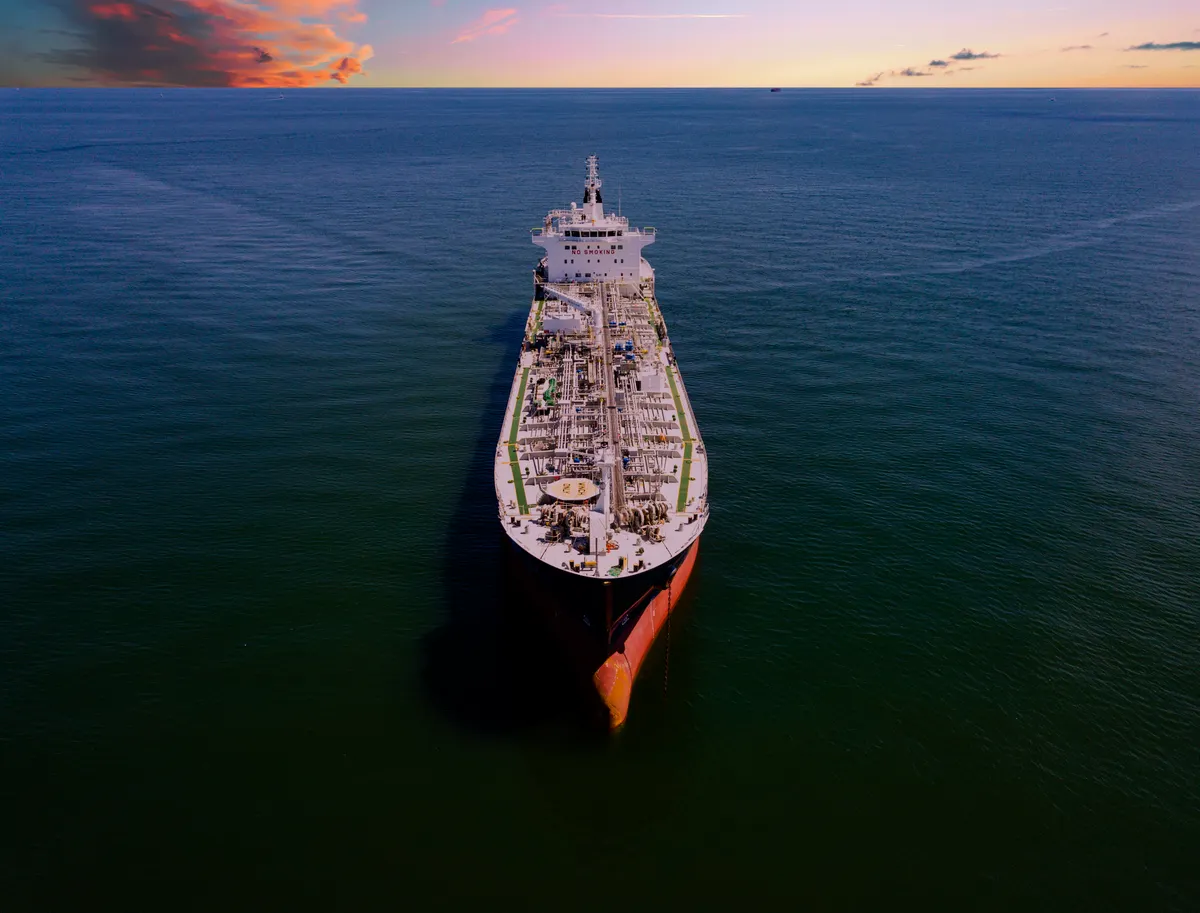
Brent had touched $100 a barrel on Thursday after the Houthis, an Iran-backed militia based in Yemen, struck two Saudi oil tankers in the Red Sea. AP News identified the vessels as the Encelia and the Layla; fires broke out on both ships, though no casualties were reported.
According to the New York Times, Saudi Arabia’s transportation authority confirmed an attack on the Encelia, stating the crew was safe after a fire broke out. The statement did not name the Houthis or reference the second vessel.
AP News reported the strikes were the first attacks on vessels since the Houthis declared a blockade of Saudi-linked shipping through the Bab el-Mandeb Strait. The group said the action was retaliation for Saudi Arabia’s blockade on Yemen and a recent attack on Sanaa’s international airport.
Al Jazeera noted the Houthis had previously disrupted global shipping after Israel’s offensive in Gaza began in October 2023. Those attacks halted following a ceasefire announcement in October 2025, with a US-Houthi agreement mediated by Oman following in May 2025.
The return to $100 oil brought markets back to levels last seen in March, when the US and Israel launched strikes on Iran. Brent had not traded at that level since late May. Trump said he would hold Iran ‘responsible’ for the re-emergence of conflict in the Middle East, warning of ‘major military punishment’ given the Houthis’ backing by Tehran. The US launched strikes on Iran for the 12th consecutive night. AP News reported Trump also threatened to direct Iranian funds held by the United States toward damages to ships and cargo, though the legal mechanism for doing so remained unclear.
New Section 301 Tariffs Cover $949 Billion in US Imports
Separately, Trump unveiled a fresh wave of tariffs on 60 trading partners, including the UK, China and the European Union, effective Friday. The duties replace the blanket 10% tariff imposed in February, which the Supreme Court had declared largely illegal.
A USTR fact sheet confirmed the action was taken under Section 301 investigations into failures to prohibit imports produced with forced labour. Partners that have committed to enforce such prohibitions receive a 10% rate; those that have not face 12.5%. The action covers 99.4% of US imports.
According to Reuters, the Section 301 tariffs apply to $949 billion worth of imports in 2026. For the European Union, Taiwan, Japan, South Korea and Switzerland, the new duties were set so that the combined rate, including existing most-favoured-nation tariffs, totals 10% or 12.5%. The remaining 38 countries on the list, including Vietnam and China, were assigned the 12.5% rate.
Reuters also reported that prior to Friday China’s tariff rate had fallen to 10%, excluding the 25% levied on industrial goods during Trump’s first term. US officials have told Chinese counterparts they intend to rebuild second-term tariffs on Chinese goods to the 20% level agreed in a trade truce with President Xi Jinping in November 2025, but not exceed it.
Separately, the Tax Foundation noted that on 15 July 2026 Trump announced a 25% tariff on certain imports from Brazil, covering approximately $24 billion worth of goods in 2026, effective 22 July. That action was separate from Friday’s Section 301 measures.
UK retail sales rose 1% in the latest period, driven by warm weather and heavy discounting, providing some support to the domestic outlook. The oil price recovery will nonetheless weigh on household energy costs, complicating efforts by Greater Manchester Mayor Andy Burnham to ease cost-of-living pressures.
Markets will next watch whether Brent stabilises below $100 or climbs back toward that level as Red Sea tensions and the tariff regime’s full scope become clearer.
