
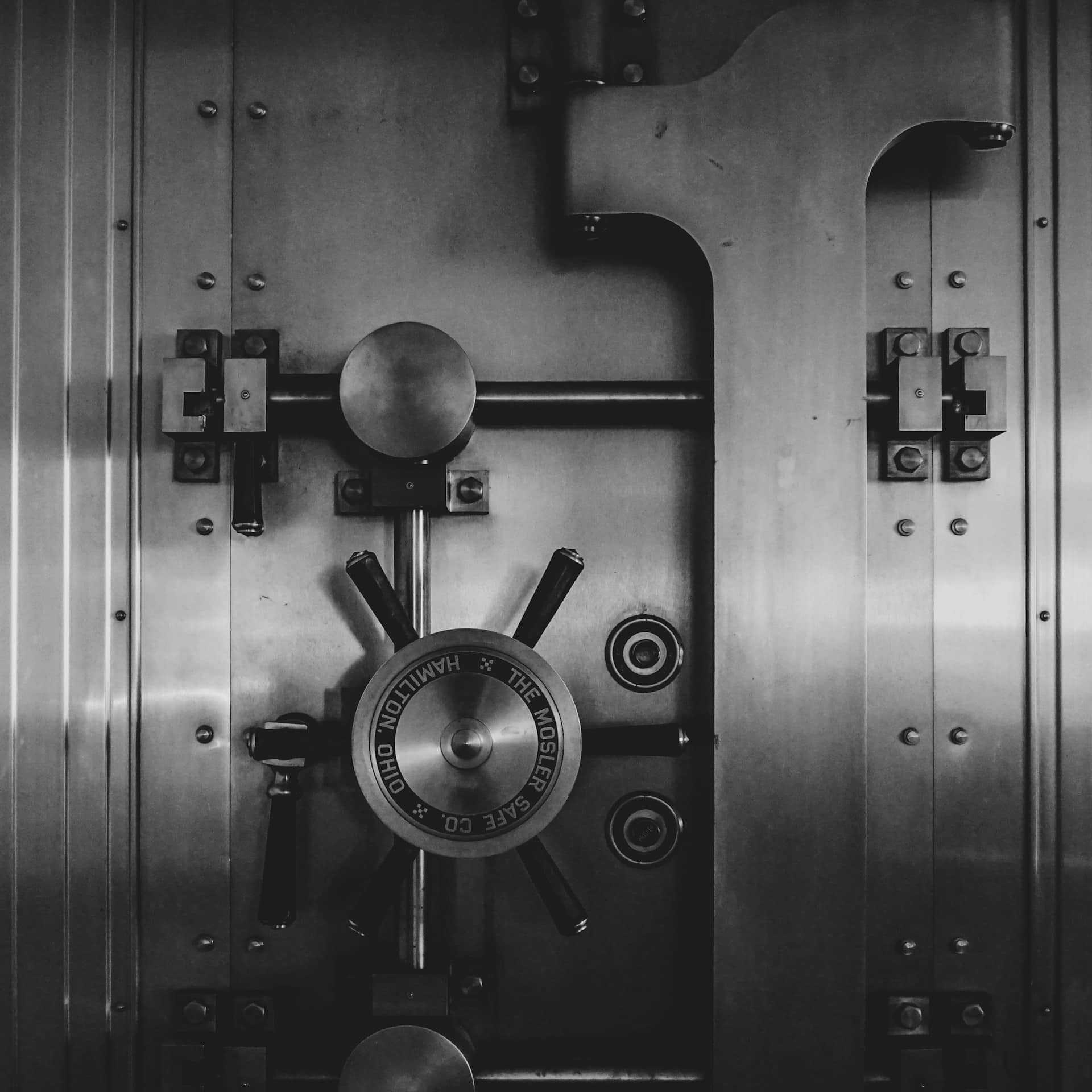

From luxury watches to business cash reserves, insurers are zeroing in on how people store their valuables before offering coverage. Strong security can cut premiums, improve policy terms, and make for a much easier claims process.
Insurance has always been about weighing risk. That’s nothing new, but when high-value assets are on the line, the details really start to matter. If you own pricey jewelry, rare coins, sensitive documents or large cash reserves for your business, your insurer wants the specifics on how you keep those things safe.
In today’s world, theft and property fraud aren’t going away, so secure storage is now a big part of the conversation between insurers and policyholders. Everything from the locks on the doors to the alarm system and especially the safe’s quality can shape your insurance premium, set coverage limits and play a big role in whether a claim is approved down the road.
Why physical security matters more than ever
When an insurer looks at an application involving high-ticket items, their first question is simple: How hard would it be for someone to steal this? That’s where physical security takes center stage. Insurance underwriters look past the nice neighborhood or ZIP code and focus on what’s actually inside the property. They want details: How you store things, which alarms are set up, how entry is controlled and what kind of security gear you’re actually using.
Say you keep expensive watches in a desk drawer. That’s going to get a very different reaction from your insurer than if you had them locked up in a heavy, professionally installed safe. The same logic holds for businesses dealing with cash or sensitive files.
Insurers often want to see photos, proof of installation or documentation showing your security equipment meets certain industry standards. Sometimes they’ll send someone out to check in person before they sign off on your coverage.
The growing demand for reliable safe storage
Lately, more people, both homeowners and businesses, are buying top-notch safes. With everyone more aware of theft, folks are moving past basic lockboxes and old cabinets and investing in real security.
That has boosted the profile of specialty retailers who focus just on security products. Esafes, for instance, is an online shop offering all sorts of security storage for both home and business. They’ve got home safes, office and fireproof models and gun safes, mostly from trusted brands, with detailed product info and customer reviews to help people compare before buying.
Insurers like seeing this kind of investment. If you’ve got a safe with the right rating, installed by a pro, you’re much less likely to lose valuables to theft or damage, especially stuff thieves can just grab and go.
What insurers look for in a safe
Not every safe makes the grade for an insurance company. Department store models offer some protection, but insurers usually want safes that meet real burglary or fire-resistance standards. Here’s what underwriters usually check:
Construction quality: Heavy steel, reinforced doors and anti-drill protections, those all score higher in a risk assessment. Cheap, thin metal boxes just don’t cut it for high-value goods.
Locking mechanisms: Digital and biometric locks, or commercial-level key locks, make insurers feel better than an old-fashioned combo lock. They want real barriers against unauthorized access.
Installation and placement: Even the best safe isn’t safe if someone can pick it up and walk off. Many insurance policies say safes need to be bolted down or properly anchored. Where you put the safe matters, too; a hidden safe in a back room is safer than one out in the open.
How valuables affect insurance terms
What you want to insure, and how much it’s worth, heavily influences storage requirements. Jewelry, watches and collectibles; these are small, easy to steal, and easy to resell, so you’ll be asked for tighter security. If your business handles a lot of cash, expect even stricter rules because liquid assets attract thieves.
Policies often set per-item limits, so high-value items usually need to be listed individually and appraised. Insurers usually want updated valuations every few years to make sure your coverage keeps up with market changes.
As values climb, so do your insurer’s expectations around security. For businesses, the security talk goes beyond just the safe. Underwriters may ask for surveillance cameras, employee access logs and written security procedures.
