
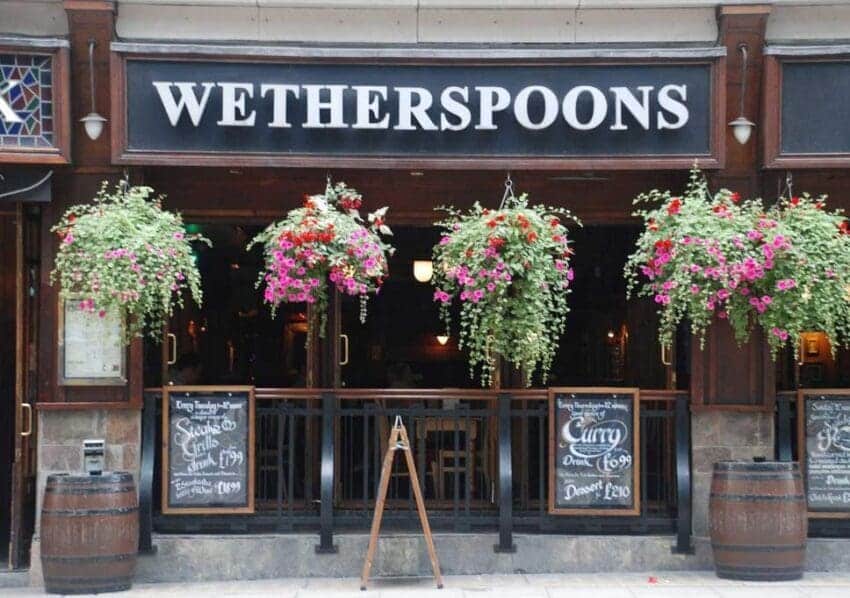

The hospitality industry is grappling with increased financial pressures following the latest Budget adjustments. Among those most affected is JD Wetherspoon, where hikes in National Insurance (NI) and wages have introduced an additional £60 million in costs. This financial strain poses the risk of increased prices for consumers as businesses strive to remain viable in a competitive market.
Wetherspoon’s response to these changes highlights the significant fiscal strain resulting from government policy shifts. This scenario is reflective of broader challenges faced by the hospitality sector, necessitating strategic adjustments to maintain profitability. Amidst rising operational expenses, the prospect of price adjustments remains a looming factor for the industry.
Rising Operational Costs
Founder Sir Tim Martin highlighted the escalating pressure from rising costs in the hospitality sector due to increased National Insurance (NI) and the national living wage. Initially, costs had stabilised after peaking in 2022, but recent tax measures in the Budget have caused a significant surge. The NI contributions for employers rose by 1.2 percentage points to 15%, while the NI threshold decreased.
Impact on Alcohol Duties and Sales
While alcohol duties have generally increased with inflation, draught drinks received a small 1.75% cut. This measure was criticised as “irrelevant” by Tim Dewey, CEO of Timothy Taylor’s, offering little relief against the rising tax pressures faced by pubs. Despite the challenges, Wetherspoon reported a 5.9% rise in like-for-like sales over 14 weeks, mainly driven
by bar, food, and slot machine sales. However, hotel bookings saw a slight 2% drop.
Market Response and Future Outlook
Shares in Wetherspoon gained over 2% after the statement, demonstrating a cautious optimism in the market. Martin conveyed some optimism for the coming year but warned about the unpredictability due to increasing operational costs. The broader industry scenario remains uncertain.
Impact on Broader Industry
Industry group UKHospitality has expressed concerns over the Budget’s financial impact on the hospitality sector, projecting an additional £1 billion in tax due to NI changes. There is fear of heightened pressure on pub-goers and industry stability.
Financial Impact and Industry Stability
The changes in NI and other levies could produce significant financial strain on pubs and restaurants. For businesses operating on tight margins, maintaining stability might become increasingly difficult.
Perspectives from Industry Experts
Experts foresee a ripple effect, where emerging financial constraints might suppress consumer confidence and spending. Despite incremental sales growth at some venues, the heightened costs could impede further expansion or investment in the sector.
Potential Consumer Impact
There is a potential risk that consumers might face higher costs for their pints and meals, as businesses look to balance the ledgers without sacrificing quality.
Historical Context and Future Projections
The current situation recalls previous instances where tax changes greatly impacted hospitality. In conjunction with inflation, current fiscal adjustments might slow recovery. Businesses foresee long-term fiscal burdens if current pressures persist.
Concluding Thoughts on Economic Pressures
Pubs are often perceived as resilient, yet ongoing cost challenges could necessitate alterations in business operations to adapt and survive.
The hospitality sector is at a pivotal juncture, balancing fiscal pressures with the need to remain attractive to consumers. Observers will closely watch how these challenges unfold and shape the future landscape.

