
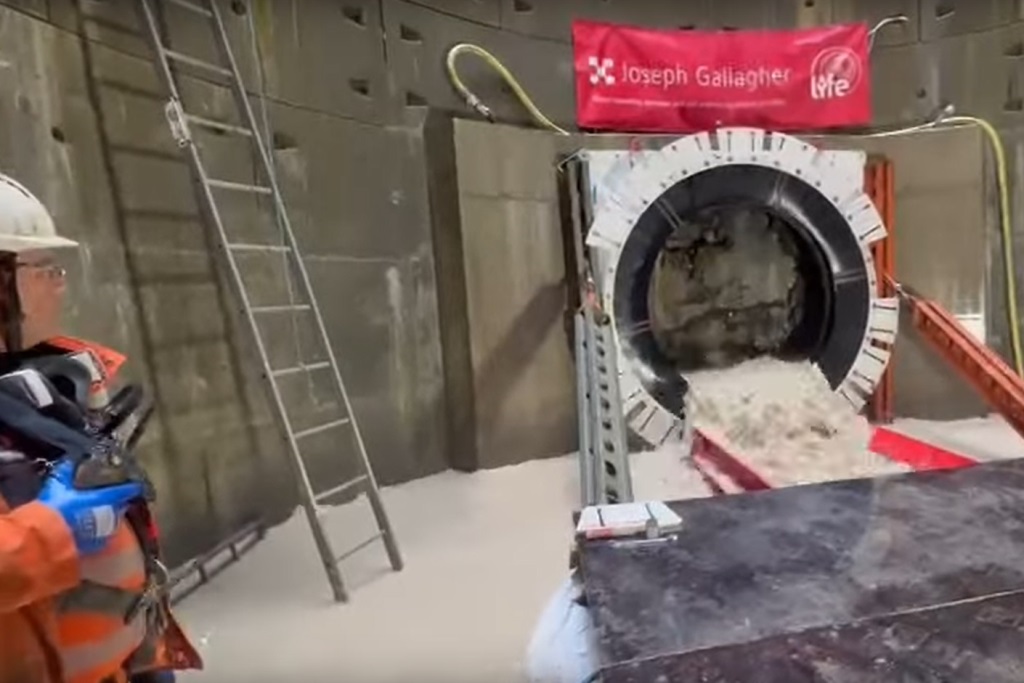

An ambitious tunnelling project under the River Tees has been successfully completed, marking a significant milestone in a major infrastructure scheme.
- A 220-metre tunnel forms part of a £155m pipeline project by Northumbrian Water, linking key regions.
- Specialized tunnelling techniques were employed to minimize environmental impacts in the Tees Valley area.
- This complex civil engineering feat reflects increasing use of ‘no-dig’ solutions in large-scale projects.
- The operation was executed within schedule, ensuring long-term water security for local communities.
Farrans Construction and Joseph Gallagher have brought to fruition an innovative tunnelling operation beneath the River Tees, culminating in the completion of a 220-metre tunnel. This marks a pivotal phase in a broader £155 million water pipeline scheme, orchestrated to safeguard essential water resources across County Durham and the Tees Valley. The primary goal is to deploy approximately 57 kilometres of new pipelines, reaching up to 200,000 Northumbrian Water customers.
The engineering journey commenced with the arrival of a specialist tunnel boring machine, aptly nicknamed Penelope, in April. Over a period of five weeks, Penelope meticulously carved a path between two meticulously constructed shafts. The western and eastern shafts, measuring 8.0 metres by 32 metres and 7.5 metres by 46 metres respectively, were essential to establish the tunnel’s precise route beneath the riverbed.
Throughout the project, the collaborative efforts of Farrans and tunnelling subcontractor Joseph Gallagher were imperative to overcoming geographical challenges posed by the east bank’s rising topography. Farrans contracts director Dave Mellor hailed the operation as a paragon of innovative civil engineering, commending the teams for their dedication to successful completion within the stipulated timeframe and technical specifications.
Northumbrian Water’s project manager, James Dawes, elucidated the strategic importance of responsibly executing river crossings, stressing environmental considerations. He acknowledged that while traditional methods like pipe-bridges were possible, the decision to opt for less intrusive ‘no-dig’ techniques was influenced by their reduced environmental footprint. This project marks a precedent for utilising such methods in large river crossings.
The breakthrough of TBM Penelope into the western shaft was a momentous occasion, symbolising the successful navigation of a demanding engineering challenge. This achievement underscores the significance of modern tunnelling approaches, particularly in mitigating the impact on the surrounding landscape and infrastructure. The subsequent phase involves sealing the tunnel to lay twin water mains, essential for regional water supply.
The completion of the Tees tunnel represents a triumph in sustainable engineering, ensuring water security for future generations.

