
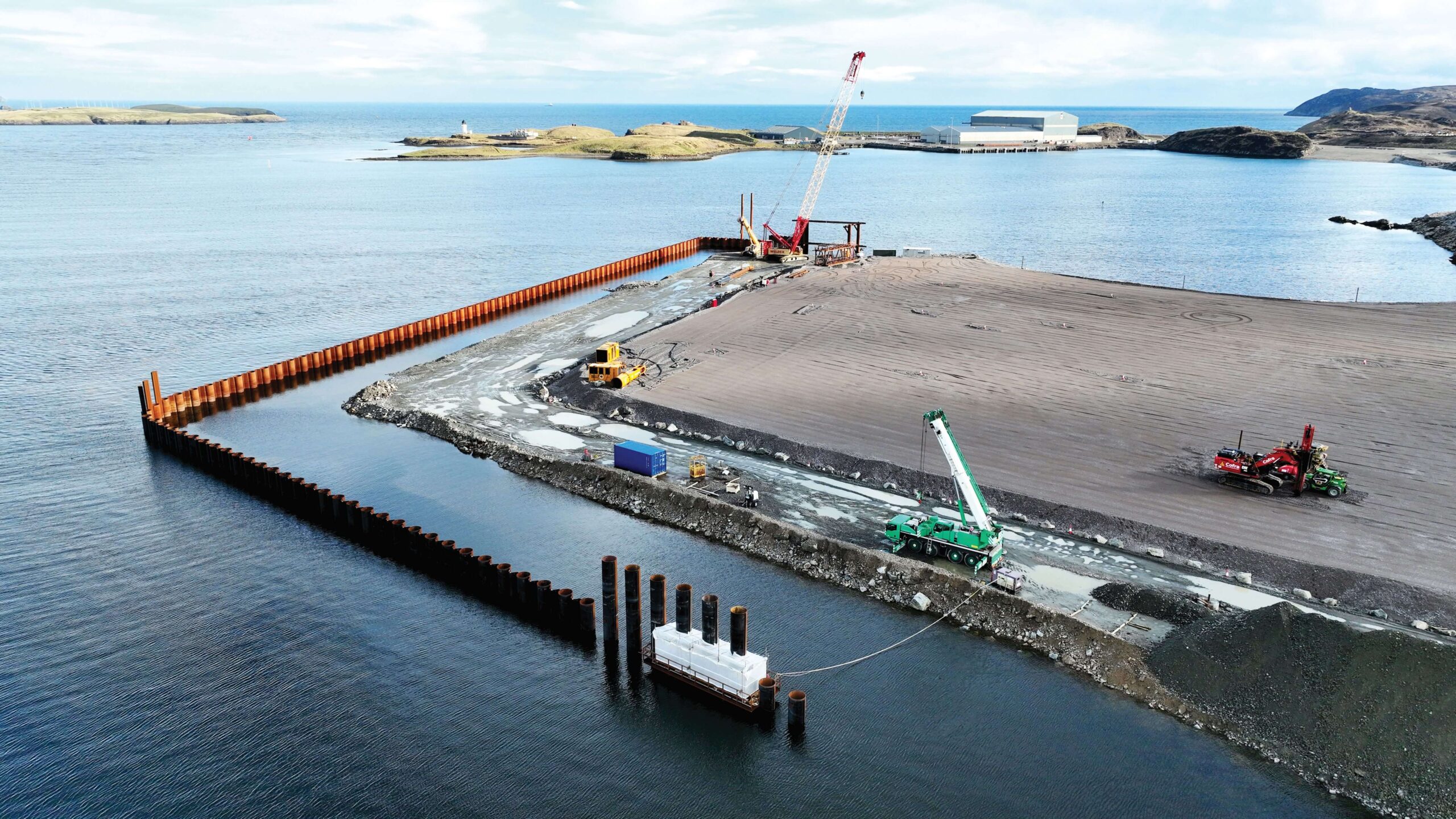

Stornoway is poised to become a significant cruise hub with a new deepwater port, but concerns about tourist influx remain.
- The new port, set to open in 2024, will accommodate larger vessels up to 360 metres in length.
- Despite promises of economic growth, local businesses worry about the impact of increased tourism on infrastructure and the environment.
- Salvaging old shipwrecks and significant dredging efforts are part of the £49m deepwater port project.
- The port expansion raises questions about the balance of economic benefits and preservation of Stornoway’s natural beauty.
The coastal town of Stornoway is on the brink of transformation, with the much-anticipated opening of its new deepwater port slated for 2024. This development is expected to welcome larger cruise vessels, addressing a longstanding issue identified by Alex MacLeod, CEO of the Stornoway Port Authority, who highlighted the current limitation of ships only being able to anchor offshore. The new facility will significantly broaden the region’s access to cruise tourism.
This ambitious £49 million project has seen financial collaboration from Highlands and Islands Enterprise, the local council, and the Stornoway Port Authority itself. Despite some claims of insufficient government support, construction has proceeded and is expected to accommodate vessels up to 360 metres in length with water depths of 10 metres below Chart Datum. This capacity will allow ships like Cunard’s QM2 and Queen Victoria to dock, though the largest ships, such as Royal Caribbean’s Oasis-class, will remain too large to berth.
While expectations for economic uplift are high, some local stakeholders remain cautious. The influx of tourists raises potential issues concerning infrastructure, local business saturation, and ecological impact. However, Alex MacLeod reassures that preparation measures are in place, insisting that Stornoway has historically managed large visitor numbers, and that these developments provide an opportunity to showcase the unique Gaelic heartland.
The project has also involved extensive undersea work, including the removal of two shipwrecks – the coal hulk SS Portugal and cargo ship SS Alabama – which posed navigational hazards. The seabed has been cleared of almost half a million cubic metres of material, an indication of the project’s scale.
Despite these challenges, the initiative has fuelled optimism among the local business community, particularly those in the tourism sector. New transport routes have been devised to manage tourist flow and prevent overcrowding, ensuring that iconic sites like Lews Castle and Museum Nan Eilean remain accessible. Moreover, bookings from cruise companies for the upcoming 2024 season suggest strong demand, alluding to Stornoway’s emerging appeal as a cruise destination.
Stornoway’s new port heralds a new era for the Hebridean economy, balancing growth and conservation.

