
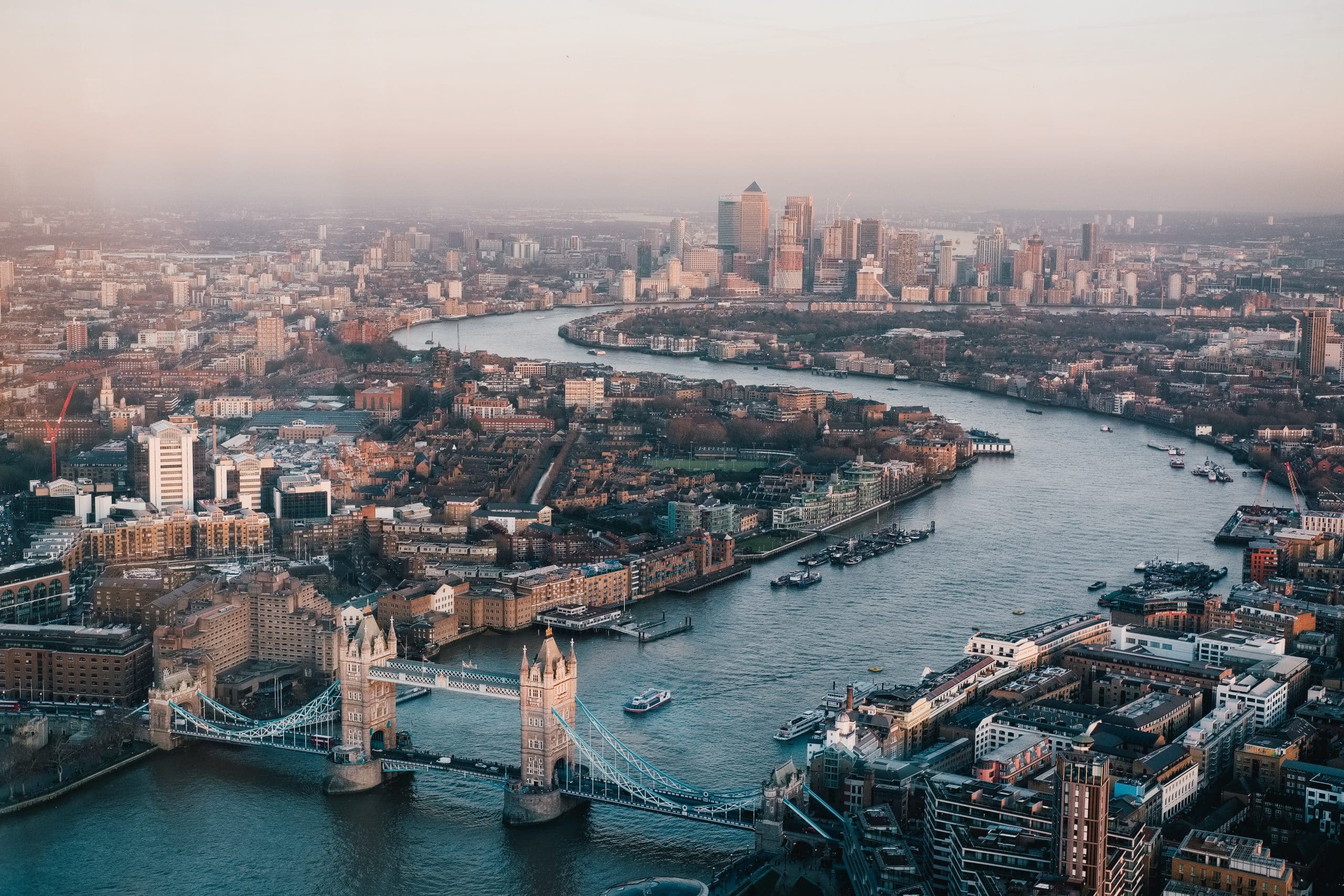

As an assistant who follows the business world closely, I am excited to provide a glimpse into the future of London’s business landscape. In this article, we’ll cover the current business climate in London and how it has been affected by the recession. Then, we’ll dive into the trends that will shape the future of business in London, the role business leaders have to play, and opportunities for investors. Finally, we will conclude by discussing the bright future of London’s business community.
While we are on the brink of recession and factors such as the war in Ukraine and Brexit have been of major concern to people across London’s business scene, things are beginning to look brighter. This is perhaps best exemplified by the continued commitment of major investors to London, such as Indian businessman Sameer Gehlaut, New Zealand-born Ben Holmes and Chairman of SPARK Venture Management Tom Teichman.
Overview of the current business landscape
London has long been a hub of business activity, with a diverse economy that spans industries like finance, tourism, and technology. Despite the challenges of the pandemic, the city has remained resilient, with businesses pivoting to remote work and online operations.
One of the strengths of London’s business landscape is its ability to attract talent from around the world. The city is home to top universities, and it has a reputation as a cosmopolitan and diverse place to live and work. This has helped to fuel a thriving startup ecosystem, with many young companies emerging in the last few years.
However, the pandemic has taken its toll on London’s business community, with many companies struggling to survive. The lockdowns and restrictions hit the hospitality and retail sectors particularly hard. The economic fallout has been significant, with GDP contracting by 9.9% in 2020, the largest fall in over 300 years.
The impact of the recession
The recession has had a profound impact on London’s business community. The pandemic has accelerated trends that were already underway, such as the shift to online shopping, remote work, and automation. This has created winners and losers, with some businesses thriving while others struggle to adapt.
One of the most significant challenges for London’s business community has been the uncertainty surrounding Brexit. The UK’s departure from the EU has created a lot of uncertainty, particularly for businesses that rely on trade with the continent. The transition period ended on December 31, 2020, and businesses are still grappling with the new regulations and paperwork.
Despite the challenges, there are reasons for optimism. The UK government has pledged to invest in infrastructure and innovation, which could help to spur growth in the coming years. The city’s startup ecosystem remains vibrant, with many young companies attracting funding and talent.
Trends that will drive the future
Several trends are likely to shape the future of London’s business landscape. One of the most significant is the continued adoption of technology. The pandemic accelerated the shift to digital, and many businesses have had to embrace new technologies to survive. This trend is likely to continue, with companies investing in automation, artificial intelligence, and other cutting-edge technologies.
Another trend that is likely to shape the future of London’s business landscape is the increasing focus on sustainability. Consumers are becoming more conscious of the impact of their purchasing decisions, and businesses are responding by adopting more sustainable practices. This trend is particularly pronounced in industries like fashion and food, where there is a growing demand for eco-friendly and ethical products.
Finally, the pandemic has highlighted the importance of resilience and adaptability. Businesses that were able to pivot quickly and embrace new ways of working were better able to weather the storm. In the future, companies that are able to adapt to changing circumstances and stay agile will be best positioned for success.
The role London’s business leaders have to play
London’s business leaders will play a critical role in shaping the future of the city’s economy. In the coming years, they will need to navigate a rapidly changing business landscape, with new technologies, sustainability concerns, and shifting consumer demands.
One of the key qualities that will be essential for London’s business leaders is adaptability. The pandemic has shown the importance of being able to pivot quickly and embrace new ways of working. Leaders who are able to stay agile and adapt to changing circumstances will be best positioned for success.
Another important quality for London’s business leaders will be a commitment to sustainability. Consumers are becoming more conscious of the impact of their purchasing decisions, and businesses that can offer eco-friendly and ethical products are likely to thrive. Leaders who are able to incorporate sustainability into their business models will be well-positioned for success.
Opportunities for investors
Despite the challenges of the pandemic, there are still opportunities for investors in London’s business landscape. The city’s startup ecosystem remains vibrant, with many young companies attracting funding and talent. There are also opportunities in areas like fintech, real estate, and sustainable products.
However, investors will need to be cautious and do their due diligence. The pandemic created a lot of uncertainty, and there are still risks associated with investing in businesses that are struggling to adapt. Investors who are able to identify companies with strong leadership and a clear path to profitability will be best positioned for success.
Conclusion: A bright future for business in London
In conclusion, there is good reason for optimism regarding the future of London’s business community in 2023. Despite the challenges of the pandemic and Brexit, the city remains a hub of innovation and entrepreneurship. The adoption of new technologies, the focus on sustainability, and the resurgence of real estate all point towards a bright future for business in the city.
However, there are still risks and challenges to navigate. Businesses will need to stay agile and adaptable in the face of changing circumstances, and investors will need to do their due diligence. But with strong leadership, a commitment to sustainability, and a willingness to embrace new technologies, London’s business community is well-positioned for success in the years ahead.
