
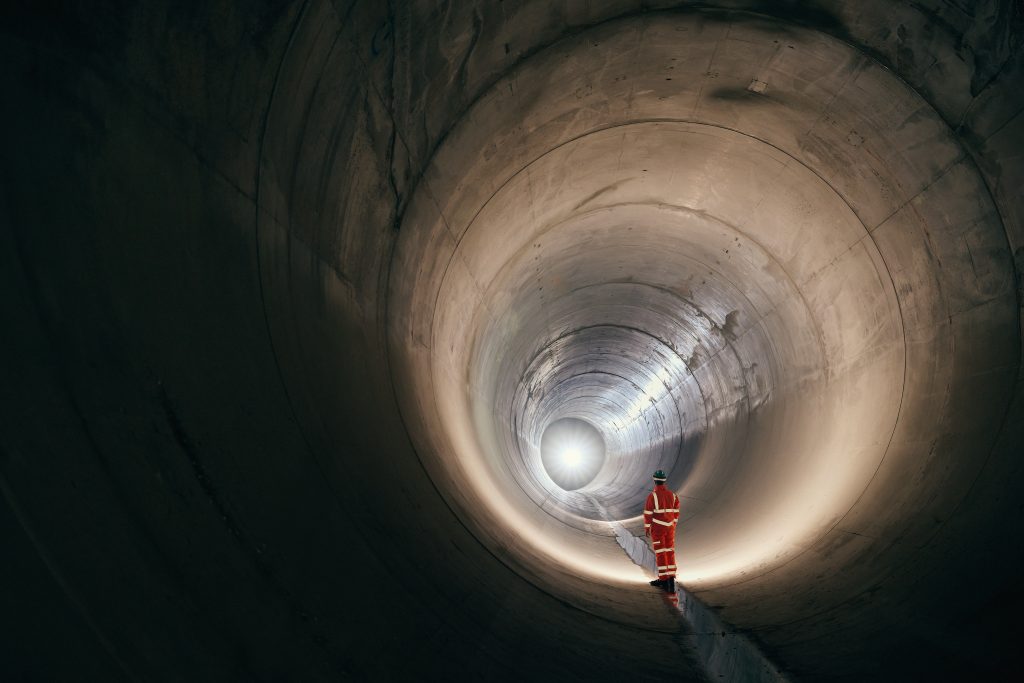

The £4.5bn Thames Tideway Tunnel has begun operations, marking a pivotal moment in protecting the River Thames from sewage pollution.
- After eight years of construction, the project has already activated four of its 21 planned sites along the river.
- During its initial day of operation, the tunnel system captured over half a million cubic metres of water.
- The system is part of a broader effort to modernise London’s sewage infrastructure, reducing pollution significantly.
- Stakeholders hail the project as a transformative step for London’s environmental future, anticipating full completion by 2025.
The Thames Tideway Tunnel, an elaborate and costly venture spanning £4.5bn, has initiated operations with the activation of the first four sites along its extensive 25km pathway. This development represents a substantial stride towards diminishing sewage pollution in the River Thames, which has long suffered from overflow during periods of heavy rainfall.
On its inaugural day, the system demonstrated its capacity by capturing 589,000m³ of water, preventing 219,000m³ from entering the Thames while the existing Thames Water Lee Tunnel contributed by capturing 370,000m³. This initial success underscores the project’s potential impact on maintaining cleaner waterways.
The tunnel, having an internal diameter of 7.2 metres, stretches from Acton in west London to the Abbey Mills Pumping Station in the east, primarily running beneath the tidal section of the Thames. With a formidable capacity of 1.6 million cubic metres, the tunnel is designed to accommodate excess sewage and rainfall that the existing Victorian-era systems can no longer handle.
The project’s completion has been deferred to 2025, partially due to delays attributed to the Covid-19 pandemic and inflationary pressures which elevated the total cost. Originally estimated at £3.52bn, costs gradually increased, with the most recent adjustments announced in the previous year.
The broad collaboration on the project involves multiple contractors: the western section has been managed by teams from Bam Nuttall, Morgan Sindall Infrastructure, and Balfour Beatty, while the central and eastern sections involve contributions from Ferrovial Agroman UK, Laing O’Rourke, Costain, Vinci Construction Grands Projets, and Bachy Soletanche. The system integration efforts are overseen by Amey, which handles operational management and reporting systems.
In terms of public reception and expert evaluations, the activation of the Tideway Tunnel has been met with optimism. Organizations and individuals like Andy Mitchell, Tideway’s chief executive, and Chris Weston, Thames Water’s chief executive, have praised the initiative as a critical infrastructure advancement. Moreover, Emma Hardy, the water minister, and Alan Lovell, Environment Agency chair, have highlighted its significance in national efforts to enhance water quality.
The tunnel’s completion will eventually see Thames Water assuming operational responsibility, with efforts underway to integrate and test the additional discharge points. Concurrently, significant upgrades to existing sewage treatment works are planned, aiming to further environmental benefits across the Thames Basin.
The Thames Tideway Tunnel marks a significant commitment to modernising London’s sewage infrastructure and improving river health.

