
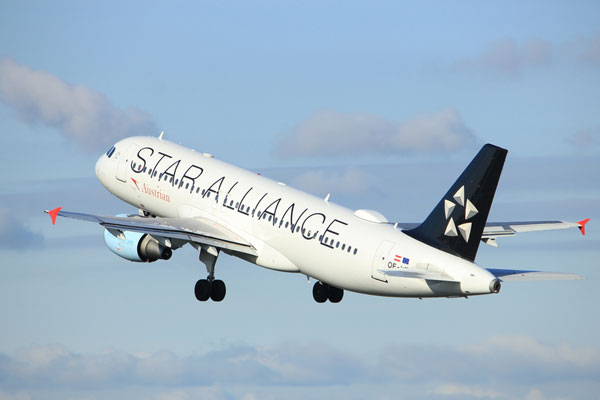

Star Alliance reaffirms its commitment to the Scandinavian market despite the impending departure of SAS to SkyTeam. With plans to enhance service offerings, Star Alliance focuses on ensuring seamless customer experiences during the transition period.
The airline alliance, backed by major carriers like United Airlines and Lufthansa, is set to retain its strong operational network in the region, demonstrating its dedication to international connectivity and superior service delivery.
Commitment to the Region
Star Alliance, backed by United Airlines and Lufthansa, has made clear its commitment to maintain a strong presence in Scandinavia even after the Scandinavian Airlines System (SAS) transitions to the SkyTeam alliance. With 17 member airlines, Star Alliance is poised to offer over 3,700 flights monthly to Scandinavia, ensuring connectivity to more than 1,100 international destinations. This shows a significant investment in the region despite the competitive setback.
Impact of SAS’s Move to SkyTeam
The switch of SAS to the SkyTeam alliance, part of an Air France-KLM rescue deal, marks a pivotal shift. SAS plans to exit Star Alliance on August 31 as it navigates out of US Chapter 11 bankruptcy. This strategic move is essential for SAS as it realigns its objectives and partnerships within the airline industry. The change reflects a broader trend of realignments within global airline alliances.
SAS’s departure could lead to questions regarding Star Alliance’s strategy, yet the alliance’s continued operations and potential expansion in Scandinavia demonstrate resilience. The alliance is focused on ensuring a seamless transition for customers affected by the change by coordinating closely with SAS to maintain high service standards and clarity for frequent flyers.
Star Alliance’s Strategic Plans
Star Alliance has proactively communicated its strategy to enhance services in Scandinavia. The alliance recognises the importance of this market and aims to fortify its presence by potentially increasing flight frequencies and introducing new services. Such efforts are expected to mitigate the impact of SAS’s exit. This will offer passengers continued options and support economic connections across the region.
A statement from Star Alliance emphasised gratitude towards SAS, acknowledging its contributions to the alliance’s services. This transition phase is seen not only as a challenge but also as an opportunity to innovate and strengthen other partnerships within the alliance. Such strategic foresight is crucial in maintaining competitive advantages.
Airlines under Star Alliance are encouraged to address the needs of frequent flyer members, ensuring they receive consistent information and service continuity during this transition.
Customer Experience and Loyalty
During this exit from Star Alliance, SAS and the alliance have prioritised customer experience. Ensuring a smooth transition for passengers is paramount, particularly for those with pre-existing bookings and frequent flyer benefits. Such an approach aims to retain customer trust and loyalty despite significant operational changes.
The alliance has advised frequent flyers to consult directly with their respective airlines for specific queries regarding mileage accrual and redemption. This guidance is part of a broader effort to maintain transparency and customer satisfaction amidst industry shifts.
Future Prospects for Star Alliance
Looking ahead, Star Alliance remains optimistic about maintaining and possibly expanding its footprint in Scandinavia. The current strategic initiatives underscore a long-term vision that sees Scandinavia as a vital part of its operational network. This is a testament to the region’s importance for global connectivity.
New services and increased flight frequencies may be introduced as part of ongoing evaluations to address market demands effectively. Such adaptive strategies ensure that Star Alliance continues to be a preferred choice for international travellers in Scandinavia.
The anticipation of additional member airlines contributing to the service offerings in the region illustrates the alliance’s proactive approach to solidifying its market standing.
Challenges and Opportunities
The transition period opens up both challenges and opportunities for Star Alliance. On one hand, the departure of a significant member like SAS could disrupt established networks and customer expectations. On the other, it presents an opportunity to reassess and strengthen the alliance’s service offerings.
Star Alliance’s focus on resilient operations in Scandinavia highlights its commitment to adaptability and strategic growth. This position not only reassures current passengers but also aims to attract new customers by demonstrating a clear dedication to maintaining high standards of service coverage.
The ongoing adaptation to changes within the airline industry showcases Star Alliance’s ability to navigate complex shifts while remaining a key player in the global aviation landscape.
Conclusion
Ultimately, Star Alliance’s efforts to maintain a robust presence in Scandinavia reflect a strategic commitment to the region. Despite the challenges presented by SAS’s departure, the alliance’s proactive measures promise continuity and growth in its Scandinavian operations.
Star Alliance’s strategic initiatives highlight its enduring commitment to Scandinavia, promising enhanced connectivity and customer experience in light of SAS’s alliance change. The future looks optimistic with potential expansions aimed at strengthening regional ties.

