

Social media has transformed the retail industry, with viral marketing emerging as a game-changer for brands aiming to hit the big time.
Understanding these dynamics allows retailers to anticipate trends and meet consumer demands effectively.
The Power of Social Media Virality
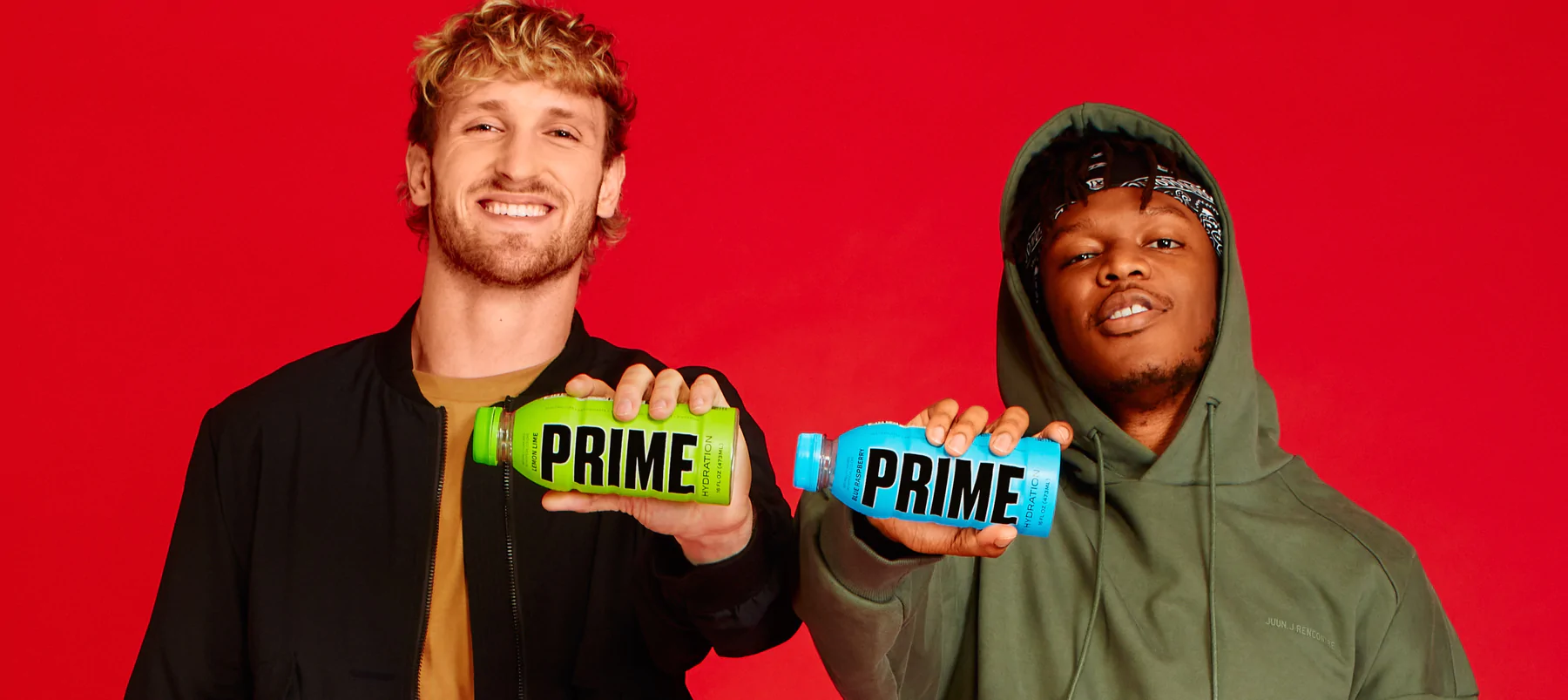
Many brands today rely on social media to launch products, leveraging the platforms’ expansive reach and immediate user engagement. Viral products like Prime Hydration, which amassed remarkable sales figures, demonstrate how social media can propel a brand to unprecedented popularity.
When Prime was stocked by major UK retailers, consumer demand surged, with stores imposing buying limits due to its rapid sell-out. This consumer frenzy indicates the substantial effect viral marketing can have on the grocery retail sector.
Role of Social Media Influencers
While influencers like KSI and Logan Paul have a head start in promoting brands, their reach extends beyond mere follower numbers. Their capacity to engage and drive discussion plays a crucial role in a product’s viral success.
Brands without celebrity backing can also succeed. Little Moons, for example, saw a viral trend on TikTok propel it to mainstream attention, driven by user-generated content rather than orchestrated campaigns.
TikTok’s Unique Influence
TikTok stands out as a dominant platform for driving trends, especially among younger audiences. Its algorithm amplifies entertaining content, whether from influencers or everyday users. This platform characteristic offers equal opportunity for any brand to go viral.
Pragmatic use of TikTok’s features, like sounds and filters, enhances content visibility. It’s an effective medium for authentic product reviews and tips, which resonate well with its audience and can significantly boost a brand’s profile.
Brands like M&S have capitalised on TikTok’s reach, with hashtags like #percypig generating significant viewership. They illustrate how combining culture and commerce effectively can lead to sustained consumer engagement.
https://www.tiktok.com/@user/video/7193320128237407493
Strategies for Retailers and Brands
For retailers, it’s essential to monitor social media trends as they arise. By understanding what sells and why, businesses can better align their strategies with consumer interests.
Retailers are urged to maintain originality in content to capture audience interest. Engaging posts, born from current trends but with a unique twist, can be particularly impactful and foster deeper consumer connections.
The Impact of Consumer Engagement
Consumer engagement is key in social media marketing. The relatability and authenticity of a brand’s message often determine its viral potential.
Developing campaigns that resonate on a personal level with audiences ensures that content is shared more widely, making the brand part of daily conversation and strengthening its market presence.
Furthermore, the local engagement strategy adopted by brands such as M&S shows how tailoring approaches to local audiences can enhance relatability and engagement.
Importance of Authenticity in Content
Originality and authenticity in social media posts can significantly impact a product’s success. Content that appears genuine often garners more interaction, which is crucial in maintaining brand trust.
Brands are advised to stay true to their voice while innovatively participating in current trends. This approach maintains brand integrity and can prevent backlash from perceived insincerity.
The Role of Community and Local Influencers
Involving community members and local influencers can help brands communicate more effectively and authentically with their audience. This strategy helps bridge the gap between brands and the consumers they serve.
The landscape of grocery retail is undoubtedly evolving with social media playing a pivotal role. By understanding how to leverage these platforms, brands can align closely with contemporary consumer preferences, ensuring their products stay relevant and in demand.

