

Royal Caribbean Group is making significant strides in sustainable maritime fuel innovation.
- The company completed biofuel tests on the Symphony of the Seas and Celebrity Apex.
- Biofuel blends used were made from renewable materials, offering a cleaner fuel option.
- Tests provided essential data for future European sailing adjustments.
- Strategic partnerships are underway to secure biofuel supply and infrastructure.
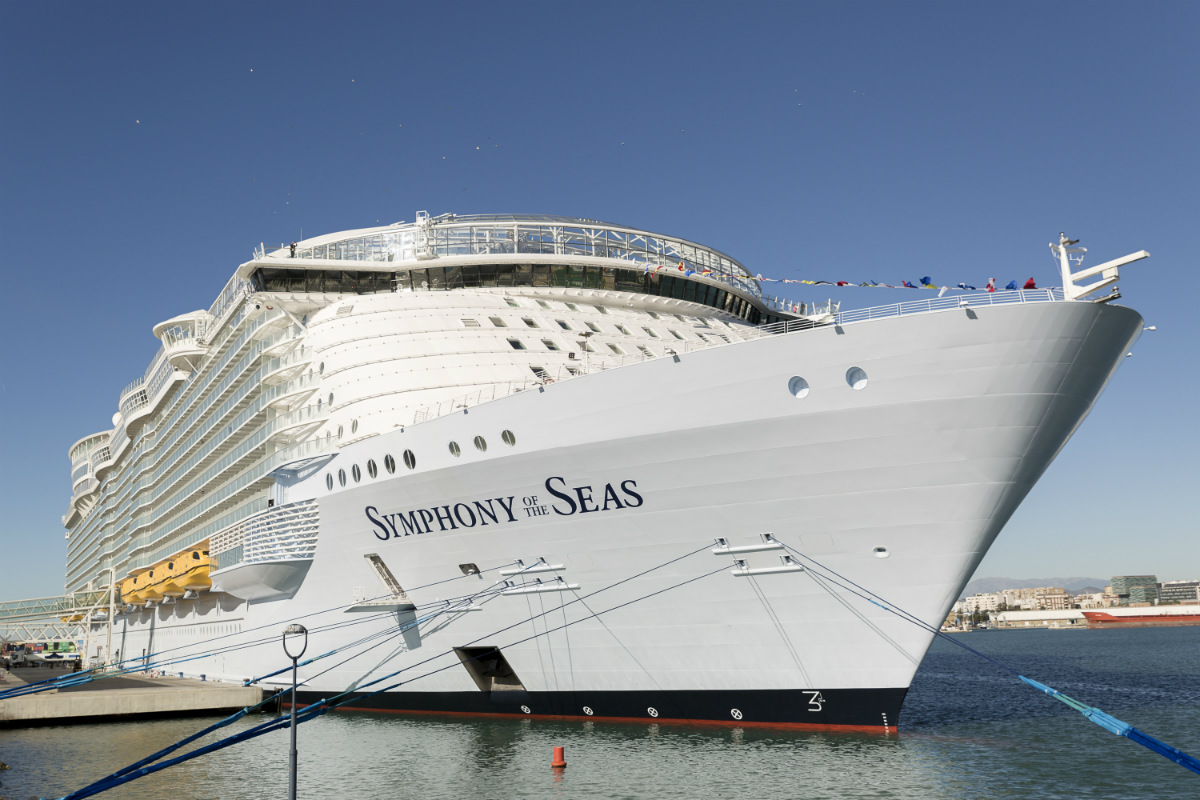
Royal Caribbean Group has recently concluded a series of biofuel tests aimed at paving the way for a more sustainable cruising future, as part of its alternative fuel objectives. The company’s commitment to environmental sustainability was highlighted by the deployment of biofuel blends on two notable ships: the Symphony of the Seas and the Celebrity Apex. These blends, derived from waste oils and fats purified and combined with standard fuel oil, promise a cleaner alternative that aligns with the industry’s evolving environmental aspirations.
The Symphony of the Seas, operating from the Port of Barcelona, and the Celebrity Apex, departing from the Port of Rotterdam, undertook several voyages using these biofuel blends. These sailings served a dual purpose of advancing the vessels’ operational capabilities and contributing valuable data on the performance of biofuels. Such data is critical for informing future strategies and ensuring that the group remains at the forefront of maritime innovation.
Further, the outcomes of these tests have sparked a renewed vigour within Royal Caribbean Group to continue its exploration into biofuels. The company’s future European sailings this autumn are set to extend these trials, signifying an ongoing commitment to discovering viable sustainable alternatives for the cruise industry. This forward-thinking approach is reflective of the larger trend within the maritime sector, which seeks to address environmental concerns proactively.
In alignment with their efforts, Royal Caribbean Group is actively pursuing strategic partnerships with suppliers and port authorities. These collaborations are pivotal in ensuring the consistent availability of biofuels, which necessitates appropriate infrastructures to facilitate broad-scale adoption. The mutual efforts between ports and shipping companies are seen as a cornerstone in the maritime sector’s transition towards decarbonisation.
The significance of this initiative is underscored by statements from key industry figures. Jason Liberty, President and CEO of Royal Caribbean Group, described this endeavour as a ‘pivotal moment’ in the quest for net-zero cruising. Echoing this sentiment, Lluís Salvadó, President of the Port of Barcelona, emphasised the role of innovation and collaboration in advancing decarbonisation initiatives across maritime transport.
Royal Caribbean’s biofuel tests mark a substantial step towards sustainable cruising, underscoring the industry’s shift towards greener practices.

