The UK government has initiated a substantial transformation of its skills development programme. This involves the introduction of the growth and skills levy, aimed at restructuring the apprenticeship system.
This reform, spearheaded by Prime Minister Keir Starmer, is set to replace the existing apprenticeship levy, addressing long-standing industry concerns over flexibility and relevance. By establishing Skills England, the government seeks to unite the fragmented skills sector and better align training with economic demands.
Introduction of the Growth and Skills Levy
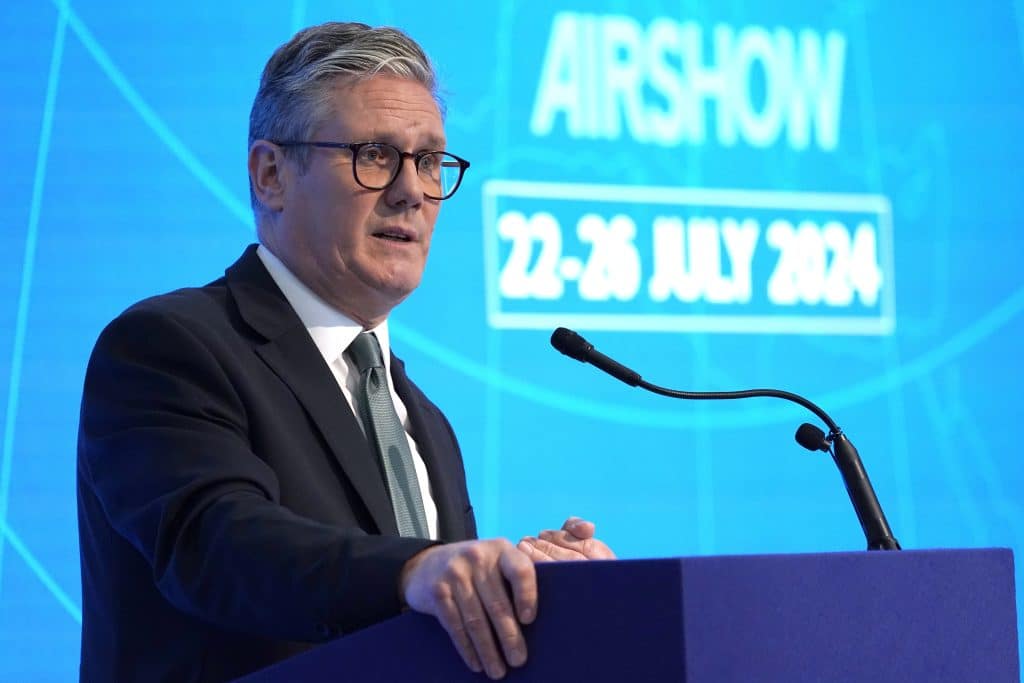
The announcement of the growth and skills levy by Prime Minister Keir Starmer signifies a pivotal change in the apprenticeship landscape. By replacing the existing apprenticeship levy, the government aims to create a more cohesive structure, focusing on aligning skills with economic needs. This reform was introduced during Starmer’s speech at the Farnborough International Airshow.
Role of Skills England
A newly established body, Skills England, will oversee the implementation of the growth and skills levy. This organisation replaces the Institute for Apprenticeships and Technical Education (IfATE). It will be responsible for determining which training programmes will be funded, ensuring that levy funds are allocated towards essential skills development that the market demands.
The government emphasises that this shift will provide businesses with greater flexibility in spending levy funds. By empowering businesses to direct funds towards their specific training needs, the government intends to enhance workforce capabilities and address skill shortages, a concern that has been expressed by employers across the country.
Timeline and Oversight
Richard Pennycook CBE has been appointed as the interim chair of Skills England. He is tasked with the phased launch of the organisation over the next 9 to 12 months. Pennycook’s experience as a former chief executive of the Co-op group is expected to guide the organisational setup and strategic direction effectively.
The phased approach to launching Skills England is intended to ensure a smooth transition from the current system. It allows for adjustments and refinements to be made based on feedback from stakeholders and industry experts, mitigating potential disruptions to existing programmes.
The initiative underscores a long-term vision for the skills sector, aiming to create a sustainable and responsive skills framework. As the programme unfolds, ongoing evaluations will be crucial to adapt to changing economic conditions and emerging skill requirements.
Implications for Businesses and Young People
The introduction of this levy is expected to open new avenues for young people, providing them with opportunities to gain skills that are in high demand. For businesses, the potential to recruit skilled, home-grown talent is likely to increase, facilitating economic growth.
The government’s commitment to bridging the skills gap could lead to enhanced productivity and innovation, as enterprises leverage the newly skilled workforce. The strategic alignment of training programmes with industry needs is anticipated to benefit both employers and employees alike.
Responses from Industry Leaders
Industry leaders have largely welcomed the reforms, acknowledging the need for a more flexible and business-oriented skills development framework. They express optimism that these changes will enable better talent acquisition and workforce planning, which are critical to business success.
Some experts caution, however, that the success of this initiative will depend on effective implementation and ongoing engagement with the business community. Continuous dialogue between Skills England and industry leaders will be essential to ensure that the training provided aligns with current and future market needs.
Ensuring the adaptability of the programme to encompass technological advancements and global market trends will be paramount. The dynamic nature of modern economies necessitates an agile skills development strategy capable of evolving alongside industry shifts.
Government’s Vision and Strategic Goals
Prime Minister Starmer articulated the government’s primary mission of economic growth through strategic skills development. By transforming the current skills system, the government seeks to forge a pathway for sustainable economic expansion.
The reforms are designed to promote inclusivity and equal access to skills training, aiming to break down barriers that have historically limited opportunities for various demographics. The government’s vision includes fostering a diverse and competitive workforce capable of driving the nation’s development objectives.
Conclusion
The reforms to the apprenticeship system unveiled by Prime Minister Keir Starmer represent a significant step towards reshaping the UK’s skills framework. By introducing the growth and skills levy, the government aims to foster a system that is more attuned to the economic and practical needs of both businesses and the workforce.
In conclusion, the introduction of the growth and skills levy signifies a forward-thinking approach to skills development in the UK.
By focusing on creating a flexible and responsive structure, the government aims to enhance both economic growth and opportunities for future generations.