
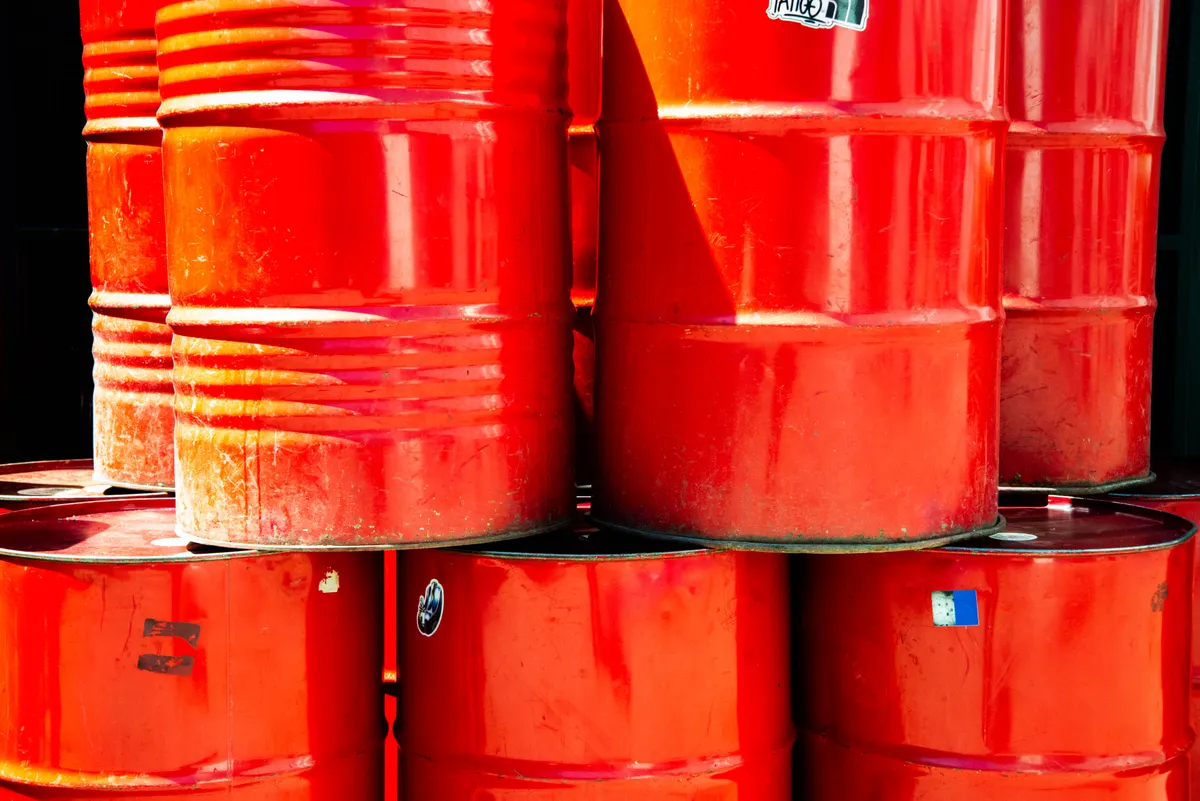

Petro Matad’s oil sales agreement with PetroChina is finally operational, clearing the way to export around 48,000 barrels of stored Block XX crude and ending a dispute that had frozen revenue for months. Invoices will be processed in September, with PetroChina’s Ulaanbaatar office indicating it will attempt to bring payment forward given the extended delay.
The agreement was formally signed on 28 April 2025 between Petro Matad and PetroChina Daqing Tamsag, covering storage, processing, transport and export of Block XX production. PetroChina has now confirmed that all outstanding issues are resolved.
The dispute had already cost the company. In February 2026, PetroChina paid $1.03 million in withheld 2025 revenue to Petro Matad, at which point the wording for the 2026 Oil Sales Agreement was still being finalised.
Petro Matad Oil Sales Agreement: What Happens Next
Until the barrels are invoiced and paid, Petro Matad is managing cash carefully. That has forced the company to defer a planned blockwide 3D seismic survey and well work at Heron-2 and Gobi Bear-1. The company called the delay ‘prudent’; it had little alternative.
Both wells were drilled in late 2024. Heron-2 was stimulated and tested with oil recovered at a low flow rate, then suspended while stimulation and pressure data are reviewed. Gobi Bear-1 was also suspended pending further evaluation. Neither well has yet added to production at the Heron-1 discovery, which first produced oil on 25 October 2024, making Petro Matad the third oil producer in Mongolia.
Farm-Out Talks and the Block VII Opportunity
Petro Matad said it still aims to complete a farm-out deal this year. Five companies, mostly Asian and predominantly Chinese, are reviewing Blocks XX and VII in the data room. The company said interest has been sharpened by disruption to Asian oil supply from events in the Gulf.
Petro Matad holds 100% working interests and operatorship across both blocks. Block XX covers approximately 214 km² and Block VII approximately 41,141 km², with the larger block sitting in southern Mongolia adjacent to the Yin’e Basin and other oil-bearing basins across the border in northern China, where the company’s farm-in search is focused on operators already active in that area.
According to results reported by Energy-Pedia, Petro Matad has already received one farm-in proposal for Block XX and hosted a due diligence visit to its Mongolian facilities, with discussions continuing alongside follow-up with two other potentially interested parties.
SunSteppe Renewable Energy Builds Out
On the renewables side, the SunSteppe Renewable Energy joint venture has secured development rights to three utility-scale projects totalling 290 MW: a 90 MW solar-and-storage scheme in Ulaanbaatar and two 100 MW projects being fast-tracked by the Mongolian government, both of which have cleared feasibility studies and construction licensing.
Petro Matad holds a 50% interest in SunSteppe, which was established in February 2023 to compete in Mongolia’s growing renewables sector. The venture also intends to bid for an additional 100 MW wind development project, which would take its portfolio to approximately 600 MW if secured.
Petro Matad said the venture is well placed to crystallise value from Mongolia’s renewables sector, though no timeline for monetisation has been disclosed.
The next concrete test of the Petro Matad oil sales recovery comes in September, when invoices are processed and the company discovers whether PetroChina’s Ulaanbaatar office can make good on its offer to accelerate payment.
